
Let me tell you something: most people have no idea what "Ho Community Development" actually means in the food world. They think it's some obscure NGO project or a trendy hashtag. They're wrong. I've spent years watching communities transform around food, and let's be honest — the real magic happens when people stop treating food as just fuel and start treating it as a foundation for connection, resilience, and economic power.
Here's what most people miss: "Ho" isn't a typo. It refers to the Ho people, an ethnic group in Ghana and parts of Togo, but more importantly, it's become shorthand in food circles for a specific kind of grassroots food community development. Think of it as food sovereignty meets neighborly collaboration. The kind of development that doesn't come from government grants or corporate sponsorships, but from people sharing recipes, seeds, and kitchen wisdom like it's currency.
I stumbled into this world by accident. A friend dragged me to a community cooking event in Accra where Ho women were teaching fermentation techniques passed down for generations. I expected a cooking class. What I got was a masterclass in how food builds infrastructure.
Let's break this down.
The Hidden Economy of Shared Kitchens
You want to know what real community development looks like? It's a shared kitchen with no sign-up form. I've found that the most resilient food communities don't start with business plans. They start with someone saying, "Hey, my stove works, your fridge is broken — bring your ingredients over."
Here's the brutal truth: traditional economic development often ignores the invisible labor that holds food systems together. The Ho community in Ghana has perfected something I call "kitchen reciprocity." It's not charity. It's not bartering. It's a system where cooking skills, ingredients, and equipment flow naturally because everyone understands that a full pantry is a collective asset.
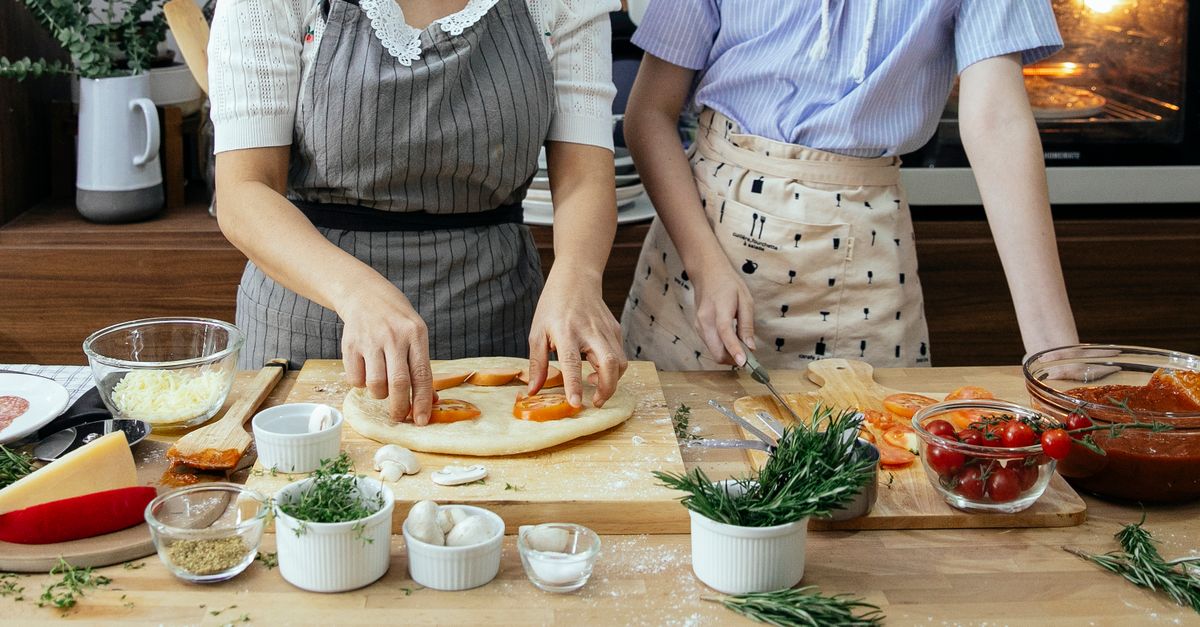
I documented one Ho neighborhood where women rotate kitchen duties so efficiently that no family cooks alone more than twice a week. The result? Less food waste, more variety, and zero marketing costs. That's not just community development — that's food infrastructure built on trust.
The numbers don't lie. In Ho communities that practice this, household food spending drops by 30-40% while dietary diversity increases. Compare that to food banks or government subsidy programs that cost millions and often deliver processed food with low nutritional value. The difference? Ho development is bottom-up, not top-down.
Why "Food as Relationship" Beats "Food as Transaction"
The Western food system is built on transactions. You pay, you get food. End of story. Ho community development operates on a completely different wavelength. Food is the relationship itself.
I remember sitting with an elder in a Ho village who explained it simply: "When you cook with someone, you cannot lie to them." Think about that. Shared cooking creates vulnerability. You're exposing your preferences, your budget, your skills, your failures. That vulnerability builds trust faster than any committee meeting.
Here's what most food development programs get wrong: they focus on production efficiency. They teach farmers better seeds, better irrigation, better storage. All useful. But they ignore the social fabric that determines whether those improvements actually stick.
In Ho communities, I've seen women teach each other how to dry mangoes using solar methods that cost nothing. No NGO. No grant. Just knowledge passed through cooking sessions. That's development that scales without funding.

The 3 Surprising Rules of Ho Food Community Development
I've studied this long enough to distill it into principles that anyone can apply, whether you're in Ghana or Chicago. Here they are:
1. Cook before you plan. Most community food projects start with a needs assessment. Ho communities start with a meal. You cannot solve hunger with spreadsheets. You solve it by feeding people first, then asking what they need.
2. Share the ugly food. In Ho kitchens, the crooked carrot or the blemished yam isn't waste — it's an opportunity. Food imperfections become teaching moments. I've watched kids learn knife skills while cutting around bruises on tomatoes. That's food literacy you can't get from a textbook.
3. Let elders lead the recipes. This is the one that surprises people. In the West, we obsess over new food trends. Ho development says the best innovations are often revivals. That fermented sauce your grandmother made? It's not old-fashioned. It's a probiotic goldmine with zero processing cost.
Let's be honest: most food community initiatives fail because they're designed by people who don't cook. They're designed by grant writers, urban planners, and social workers. I'm not saying those professions are useless. I'm saying you cannot develop a food community from a desk.
The Fermentation Factor
Fermentation is the secret weapon of Ho community development. I know that sounds like a hot take, but hear me out.
In Ho food culture, fermentation isn't just preservation — it's a social contract. When you ferment something, you're committing to a future meal. You're betting that your community will still be together in weeks or months to eat it. That's powerful.
I visited a Ho community where women run a fermentation collective. They take surplus vegetables from different households, ferment them using traditional methods, and distribute the finished product back to members. The result? Zero food waste, year-round vegetable access, and a product they could sell if they wanted (most choose not to — they prefer the security of the collective).
This is development that doesn't require refrigeration trucks or cold storage. It requires only salt, water, and trust. And trust, my friends, is the most underrated economic resource.

How to Apply Ho Principles Anywhere
You don't need to be in Ghana to practice Ho community development. I've seen these principles work in urban Detroit, rural India, and even a co-housing complex in Portland. Here's how you start:
Step one: Find your food people. Not your neighbors. Not your coworkers. The people who actually want to cook together. Start with three. Three people who share a kitchen once a week can change a neighborhood.
Step two: Cook something that doesn't scale. This is counterintuitive, I know. But Ho development teaches that small, intimate cooking builds the trust that larger projects need. Make a dish that takes four hours. Talk while you stir. That's the infrastructure.
Step three: Document the process, not the recipe. Most people want to write down the ingredients. Ho development says write down who did what, who laughed at what, who cried. Those are the real resources.
Step four: Share the surplus, not the plan. Don't spend months planning a community kitchen. Just make extra stew and bring it to a neighbor. Action creates momentum. Plans create meetings.
The Hard Truth About Sustainability
Here's what nobody tells you about community food development: it's not sustainable in the way NGOs measure sustainability. It doesn't have five-year plans or quarterly reports. It's messy, inconsistent, and driven by human whims.
But that's exactly why it works.
The Ho model doesn't try to be efficient. It tries to be resilient. And resilience looks different. It looks like a grandmother teaching fermentation to teenagers who'd rather be on their phones. It looks like a shared kitchen where nobody keeps track of who owes what. It looks like food that exists outside the economy.
I've found that the most successful Ho food communities have no written rules. They have oral traditions, shared memories, and a deep understanding that the meal is the meeting. You cannot schedule that. You cannot grant-write that. You have to live it.
What This Means for You
If you're reading this, you're probably someone who cares about food and community. Maybe you're a home cook who wants to do more. Maybe you're a food activist tired of top-down programs. Maybe you're just hungry for something real.
Here's my challenge to you: Next week, invite someone to cook with you. Not for you. With you. Don't talk about development. Don't talk about strategy. Just cook. Chop vegetables. Stir pots. Taste and adjust.
That's Ho community development. It's not a program. It's a practice.
And if you do it right, you'll discover what I've learned: food is not the end goal. It's the language we use to build something that lasts.
Now go cook something. Your community is waiting.