
You know what’s wild? Over 330 million people visit religious and pilgrimage sites every year, yet most of them are doing it wrong. I’m not talking about the tourists who snap selfies at St. Peter’s Basilica or the ones who haggle for souvenirs outside a temple in Bali. I mean the ones who miss the entire point—the spiritual travelers who treat sacred spaces like a museum checklist.
I’ve been to over 40 countries, and I’ve spent countless hours sitting on cold stone floors in cathedrals, listening to monks chant, and watching the sunrise over a mosque minaret. Here’s what most people miss: faith tourism isn’t about the destination—it’s about the transformation you didn’t see coming. And if you’re not ready for that, you’re just another tourist with a camera.
Let’s be honest. Most travel blogs tell you to “pack light” and “learn a few phrases.” But when it comes to sacred travel, the real packing list is internal. So, grab your metaphorical passport—we’re diving into the hidden, surprising, and sometimes awkward world of faith-based tourism.

The Hidden Economy of Sacred Souvenirs
Here’s a statistic that blew my mind: Faith tourism generates over $18 billion annually. That’s more than the entire GDP of some small countries. And yet, most of that money isn’t going to the monks, priests, or caretakers who actually maintain these holy sites. It’s going to tour operators, hotel chains, and souvenir shops selling plastic crucifixes made in China.
I once visited a famous Hindu temple in India where the “official” guide tried to sell me a “blessed” stone for $50. I later found out those stones come from a quarry 200 miles away. The irony? The real sacred experience was free—sitting by the river at dawn, watching the pilgrims bathe. The commercialization of faith is a billion-dollar industry, but the soul of it costs nothing.
So, here’s my controversial take: Skip the “blessed” trinkets. Instead, spend your money on local food, donate directly to the temple’s maintenance fund, or buy a simple offering like flowers or incense. You’ll leave with a lighter wallet but a heavier heart.
Why You Shouldn’t “Go With the Flow”
Most people think faith tourism is about following the crowd. You see a line of people touching a relic, so you do it too. You hear chanting, so you bow your head. But I’ve found that the most profound moments happen when you break the script.
Last year, I visited a small church in rural Ethiopia that wasn’t in any guidebook. The priest, a man with hands like tree roots, invited me to sit for the evening service. I didn’t understand a word of the Ge’ez liturgy, but I felt something shift. That’s the secret: sacred spaces don’t need your understanding—they need your presence.
Here’s what I recommend:
- Arrive 30 minutes early before the crowds. Sit in silence. Let the space speak.
- Leave your phone in your bag. I know, it’s hard. But the best photos are the ones you keep in your memory.
- Ask a local what they believe, not what the tour guide says. You’ll get a raw, unfiltered perspective.
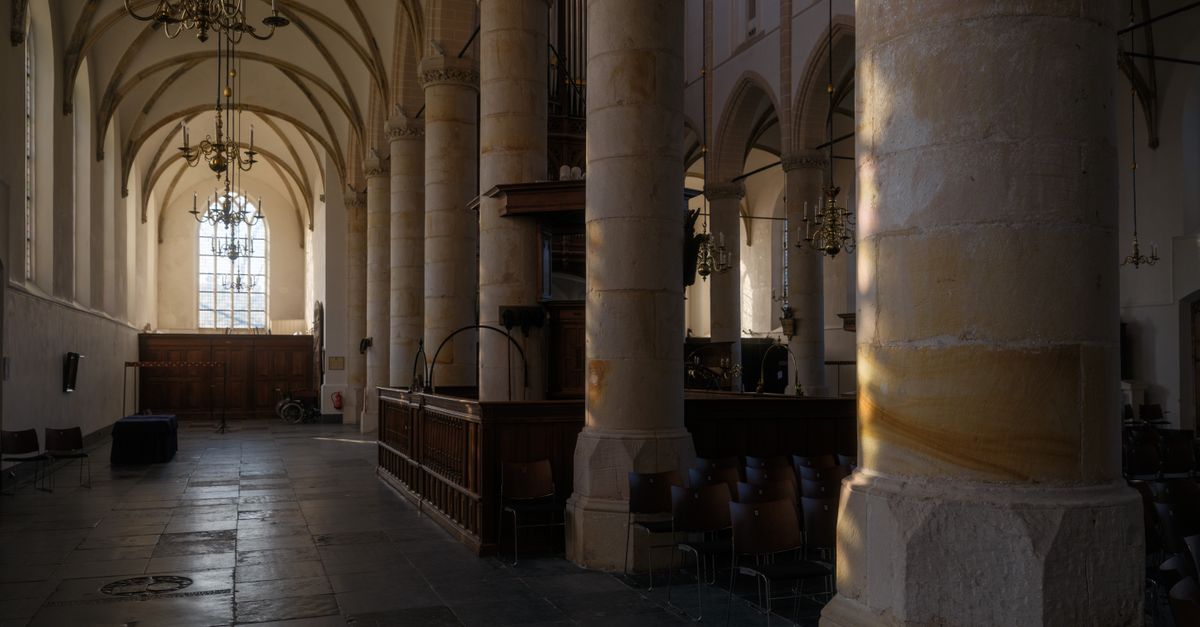
The 3 Most Overrated and Underrated Faith Destinations
Let’s get real. Not all sacred sites are created equal. Some are tourist traps disguised as holy ground. Others are hidden gems that will wreck you in the best way.
Overrated:
- The Vatican Museums – I said it. The Sistine Chapel is stunning, but the crowds are suffocating. You spend more time shuffling in a line than actually absorbing the art. Go at 7 AM or skip it entirely for a local church in Rome.
- The Wailing Wall in Jerusalem – It’s powerful, but it’s so commercialized that you can’t even get a moment of peace without someone trying to sell you a prayer shawl.
- The Blue Mosque in Istanbul – Beautiful, but it’s more of a tourist attraction than a functioning mosque. The real spiritual energy is in the smaller, neighborhood mosques.
- The Basilica of Saint-Denis in Paris – This is where French kings are buried. It’s gothic, eerie, and almost empty. You can sit in the crypt and feel the weight of centuries.
- The Golden Temple in Amritsar, India – Yes, it’s famous, but most tourists rush through. Stay for the langar (free community meal). Serving food to thousands of people is a spiritual practice in itself.
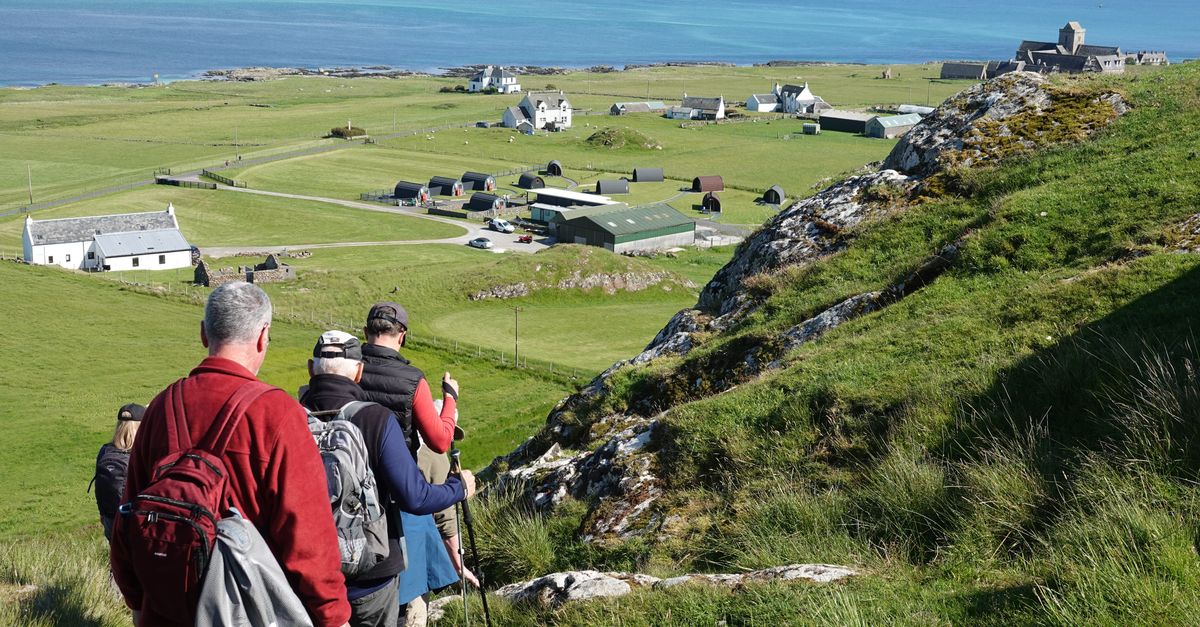
- The island of Iona in Scotland – Tiny, windswept, and ancient. A monastery that dates back to the 6th century. The ferry is a pilgrimage in itself.
How to Avoid the “Faith Fatigue” Trap
Here’s something nobody tells you: visiting multiple sacred sites in a row can leave you spiritually numb. I once did a 10-day tour of religious sites in Israel, and by day 5, I was more tired than inspired. It’s called “faith fatigue,” and it’s real.
I’ve learned to pace myself. One sacred site per day, max. And when I get there, I don’t try to “do” anything. I just sit. Let’s be honest—how often do we allow ourselves to just be still in a beautiful place without an agenda?
If you’re planning a faith-focused trip, here’s a practical tip: Schedule downtime. After a morning at a temple, spend the afternoon wandering a local market or sitting in a park. The sacred isn’t just in the building—it’s in the laughter of children, the smell of fresh bread, the kindness of a stranger.
The One Thing You Must Pack for Any Sacred Journey
You’ve probably packed your comfortable shoes, your modest clothing, and your reusable water bottle. But there’s one item most people forget: a journal.
I’m serious. Every time I’ve visited a sacred space, I’ve written down three things:
- What I saw (the sensory details)
- What I felt (the emotions, even the uncomfortable ones)
- What I’ll carry with me (the lesson)
Faith tourism is really about finding yourself in the reflection of someone else’s devotion. And that requires slowing down enough to listen.
The Final Pilgrimage: What You’ll Take Home
Here’s the truth no one tells you: The most profound sacred travel experience isn’t the one you plan—it’s the one that finds you. It’s the unexpected conversation with a nun who offers you tea. It’s the moment you get lost and end up in a tiny chapel that smells like incense and old wood. It’s the sunset over a river in Varanasi that makes you cry for reasons you can’t explain.
So, stop worrying about the “right” itinerary. Stop comparing your experience to someone’s Instagram feed. The sacred is everywhere—you just have to show up with an open heart.
I’ll leave you with this: The next time you visit a sacred site, don’t ask “What can I get from this place?” Ask “What is this place asking of me?” The answer might surprise you.
Now, go pack your journal. And leave your expectations at home.
**