Alright, let's get one thing straight. The term "Ho Technology" is a disaster waiting to happen. No, I'm not talking about the literal slang, though that's a minefield. I'm talking about the actual technology trend that's quietly reshaping everything from your dating life to your shopping habits, and most people are too busy making bad jokes or ignoring it to see the writing on the wall.
You've heard of the "attention economy." Well, "Ho Technology" is its dark, manipulative cousin. It's the tech designed to create high-frequency, low-commitment interactions that maximize engagement at the cost of genuine connection. Think of it as the digital equivalent of a player who texts you "u up?" at 2 AM — it's engineered for convenience, not substance.
Let's be honest: we're all using it. And we all hate ourselves a little for it.
The Dating App Trap: Where Swipe Fatigue Meets Algorithmic Despair
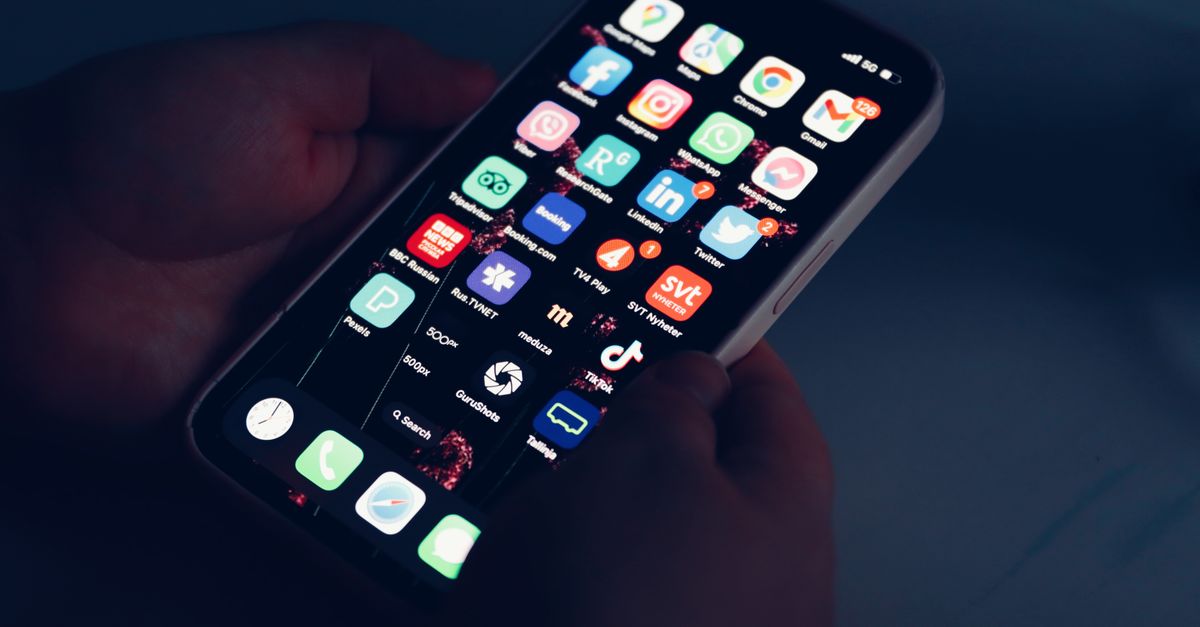
I've found that the most obvious example of Ho Technology is the modern dating app ecosystem. Look, I'm not here to shame anyone. I've been on Hinge. I've been on Bumble. I've even been on the one that starts with a "T" that shall not be named for my own sanity.
Here's what most people miss: These apps aren't designed to help you find a partner. They're designed to keep you swiping.
The business model is simple. You pay for premium features because you're frustrated. You get a dopamine hit when someone matches. You send a message. They don't reply. You swipe more. The cycle repeats. It's a slot machine with human emotions as the currency.
- The Gamification: The endless deck of profiles? That's a UI pattern stolen directly from casino games. The "Super Like" feature? That's the equivalent of putting a quarter in a machine for a chance at a jackpot.
- The FOMO: "Your profile is being shown to more people!" — No, they're just trying to get you to pay for a boost.
- The Ghosting: It's not a bug. It's a feature. If people actually committed, the engagement metrics would tank.

The "Hidden" Ho Technology in Your Shopping Cart
But it gets worse. This isn't just about dating. Ho Technology has infiltrated your entire consumer life.
Think about fast fashion. You know, that $12 shirt you bought online, wore once, and then threw in the back of your closet? That shirt exists because of a supply chain optimized for throwaway consumption. The apps that sell it to you use "flash sales" and "limited stock" notifications to create urgency. That's Ho Technology in retail.
You see the same thing in food delivery apps. You order from 15 different restaurants, never building a relationship with any of them. The app wants you to order from a new place every time because that generates more data. It's not about feeding you; it's about feeding their algorithm.
The psychological trick is called "variable reward scheduling." It's the same mechanism that makes slot machines addictive. You don't know if your next swipe, next order, or next click will be the "good one." So you keep going. The technology is exploiting a biological vulnerability.
Why Your "Productivity" Apps Are Part of the Problem
Oh, you thought you were safe because you only use "productive" apps? Think again.
Let's look at project management tools like Slack, Asana, or Trello. They're supposed to help you organize your life. But here's the secret: Many of them are engineered for "busy work," not deep work.
- The Notification Spam: Constant pings that break your focus. Each one is a mini dopamine hit.
- The "Seen" Status: You can't hide. Your manager knows you saw that message at 10 PM.
- The Infinite Scroll: Your task list is never done. There's always one more thing to add.
The irony is that Ho Technology promises to connect us, but it actually atomizes us. It turns complex human interactions into simple, transactional exchanges. You don't date; you "match." You don't shop; you "add to cart." You don't work; you "complete tasks."
The 3 Real-World Consequences Nobody Talks About
Let me drop some truth bombs. There are three consequences of this technology that genuinely scare me.
- The Loneliness Epidemic: We're more "connected" than ever, yet depression and loneliness are at all-time highs. Ho Technology gives us the illusion of connection without the substance. It's like eating sugar-free candy that tastes sweet but leaves you hungry.
- Decision Fatigue: The endless choices — who to date, what to buy, which task to do — overwhelm our brains. We're not making better decisions; we're making more decisions. And that exhausts us. I've found that my best ideas come when I'm bored, not when I'm scrolling.
- Loss of Trust: When you're trained to treat everything as disposable, you stop trusting anything. You don't trust the app. You don't trust the person. You don't even trust yourself. It's a slow corrosion of the social fabric.

How to Break the Cycle (Without Going Full Luddite)
Look, I'm not saying you need to throw your phone into the ocean and move to a cabin in Montana. I'm a tech blogger. I love technology. But I also believe in using it with intention.
Here's my personal playbook for escaping the Ho Technology trap:
- Audit Your Apps: Delete anything that gives you more anxiety than value. I deleted my dating apps six months ago. My mental health improved dramatically.
- Set "No-Scroll" Zones: No phones in the bedroom. No phones at the dinner table. This is hard. Do it anyway.
- Use "Slow" Alternatives: For dating, try meeting people in real life. For shopping, buy fewer things of higher quality. For work, block out 2-hour deep work sessions with no notifications.
- Question the Algorithm: When an app recommends something, ask yourself: "Is this good for me, or good for their engagement metrics?" The answer is usually the latter.
The Final Swipe
We're living in a world where the tools we use are optimized for quantity, not quality. Ho Technology is the symptom of a system that values engagement over humanity. But here's the thing: you are not a product. You are a person.
The next time you feel that urge to swipe, scroll, or click, pause for one second. Ask yourself: "Am I using this tool, or is this tool using me?"
The answer might surprise you. And it might just save your sanity.
Now go ahead — close this tab. Go talk to someone in real life. I dare you.