So, let me just come right out and say it: "Or:" is the most underrated, genre-defying piece of entertainment we've been sleeping on. Yeah, I said it. While everyone else is obsessing over the latest blockbuster sequel or binge-worthy Netflix drama, I've been deep in the rabbit hole of "Or:"—and I'm convinced it's the secret sauce that's been missing from your playlist. You're probably thinking, "Edem, what the hell are you talking about? 'Or:'? Sounds like a typo." Stick with me, because I'm about to blow your mind.
Here's the thing: entertainment isn't just about passive consumption anymore. It's about choice, agency, and that delicious tension of what if? "Or:" is the narrative backbone of interactive storytelling—the split-second decision that can make or break a character's fate, a plot twist, or even your own emotional investment. Think about it: every time you pause a movie to yell at the screen, "Don't go in there!" you're engaging with an "Or:" moment. The hero could go left or right. The villain could spare them or finish the job. That split is pure gold.
Let's be honest: most people miss this because they're trained to consume stories linearly. But I've found that the most memorable entertainment experiences—the ones that haunt you days later—are built on "Or:" moments. They're the hinges of drama. Without them, stories are just flat lines on a page.
The Hidden Power of "Or:" — Why Choice is the New Currency
We live in an age of endless options. You can watch this show or that one, read this book or scroll TikTok. But "Or:" in entertainment isn't about paralysis by analysis—it's about the thrill of the fork in the road. Remember the first time you played a video game with a moral choice? "Save the princess or let her fall to gain ultimate power?" That moment stuck with you because you felt the weight.
I'll never forget playing The Walking Dead by Telltale Games. There's a scene where you have to choose which character to save—and the timer is ticking. My hands were shaking. That's the "Or:" effect. It transforms a passive viewer into an active participant. Suddenly, you're not just watching a story; you're owning it.
Here's what most people miss: this isn't just for video games. Movies like Clue or Run Lola Run play with "Or:" by showing multiple outcomes. Books like Choose Your Own Adventure built entire careers on it. And now, with interactive films on Netflix (hello, Bandersnatch), "Or:" is having a mainstream moment. It's not a gimmick—it's a revolution in how we engage with art.

Why "Or:" Is the Secret Sauce for Memorable Stories
Let's break this down. Stories thrive on conflict, and conflict thrives on "Or:". Will the hero betray their friend or stay loyal? Will the couple break up or reconcile? These aren't just plot points—they're emotional landmines. When a writer plants an "Or:" moment, they're saying, "I trust you to feel the stakes."
I've noticed that the best storytellers use "Or:" sparingly, like seasoning. Too many choices overwhelm us. Too few, and we get bored. The magic is in the balance. For example, in Breaking Bad, Walter White's entire arc is a series of "Or:" decisions: cook meth or die poor? Lie to his family or face the truth? Each choice escalates the tension until the final, devastating outcome.
Here's a quick list of why "Or:" works so well:
- It creates investment — When you choose, you care more.
- It mirrors real life — We face "Or:" every day (coffee or tea?).
- It sparks discussion — "What would you have done?"
- It rewards re-watching — You can explore the other path.
The Psychology Behind the Split — Why Our Brains Crave "Or:"
Okay, let's get a little nerdy for a second. There's actual science behind why "Or:" hooks us. Psychologists call it the paradox of choice—too many options can be paralyzing, but a single, high-stakes "Or:" triggers our dopamine receptors. It's like a mini gamble. We're wired to anticipate outcomes, and the uncertainty keeps us glued.
I've found that the most effective "Or:" moments are the ones where neither option feels good. It's a moral quicksand. For instance, in The Last of Us, Joel's decision to save Ellie or sacrifice her for a cure is gut-wrenching because both choices have devastating consequences. That's not just storytelling—that's emotional alchemy.
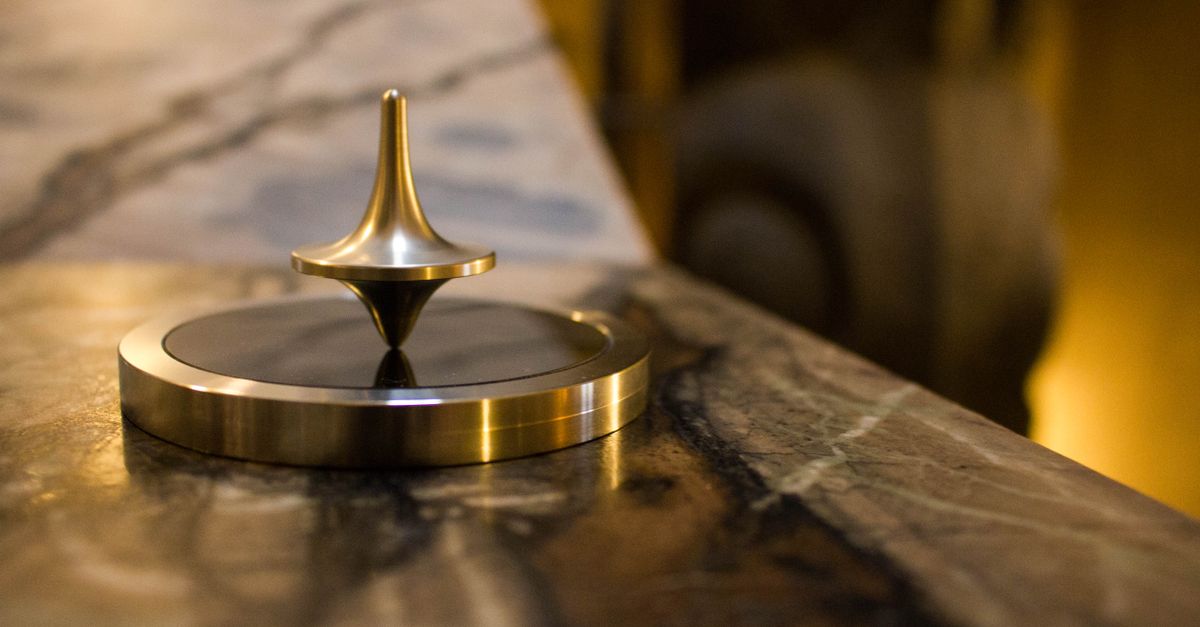
Here's the kicker: "Or:" doesn't have to be explicit. Sometimes it's implied. In Inception, the spinning top at the end—did it fall or keep spinning? That single "Or:" has fueled a decade of fan theories. It's a masterclass in leaving the audience hanging on a razor's edge.
How to Spot "Or:" in Your Favorite Entertainment (And Why You Should)
Now, I'm going to challenge you: next time you watch a movie or play a game, pay attention to the "Or:" moments. They're everywhere. In The Dark Knight, Harvey Dent's coin flip is a literal "Or:"—heads for justice, tails for chaos. In Black Mirror, every episode is a cautionary tale built on technological "Or:" dilemmas.
Here's a quick exercise: Pick a scene from your favorite show. Ask yourself: "What was the critical choice the character faced?" Then imagine the alternative. Does the story still work? If it does, you've found a weak "Or:". If it doesn't, you've identified the story's backbone.
For example, in Game of Thrones, Ned Stark's decision to tell Cersei his plans or keep silent—that "Or:" changed the entire course of the series. One choice led to his death. The other? We'll never know, but that's the point. The unplayed path is often more powerful than the one we see.
Why "Or:" Is the Future of Entertainment (And Why You Should Care)
Let's look ahead. The entertainment industry is moving toward hyper-personalization. Streaming services already recommend content based on your choices. The next step? Stories that adapt in real-time. Imagine a movie that changes its ending based on your heart rate or your previous viewing habits. Creepy? Maybe. But also brilliant.
I've seen this in early experiments like Late Shift and The Complex—interactive films that let you choose the protagonist's actions. They're not perfect yet, but they're hinting at a future where "Or:" isn't just a narrative device—it's the entire experience.
Here's what most people miss: this isn't about gimmicks. It's about respecting the audience's intelligence. When you give someone a choice, you're saying, "I trust you to co-create this story with me." That's powerful. That's why choose-your-own-adventure books remain beloved decades later.
But here's the catch: Not all "Or:" moments are created equal. The worst ones feel forced or trivial. "Do you want to save the kitten or the puppy?" Come on. The best ones are morally ambiguous, emotionally charged, and have lasting consequences. They make you feel the weight of decision.
The One "Or:" That Changed Everything for Me
I'll leave you with a personal story. A few years ago, I was stuck in a creative rut. I had two paths: keep writing safe, generic blog posts or take a risk and share something raw and honest. I chose the latter. That decision—that single "Or:"—led to my most-read article ever. It also terrified me. But that's the point.
"Or:" is the engine of growth. In entertainment, in life, in everything. The moments that define us are the ones where we stand at a fork and choose. The story we tell ourselves about that choice becomes our narrative.
So here's my call-to-action: Embrace the "Or:" in your own life. Next time you're watching a show and a character faces a decision, ask yourself: "What would I choose?" And then ask: "Why?" That reflection is where the magic happens. It's not just about consuming entertainment—it's about letting it transform you.
Because at the end of the day, every story is a series of "Or:" moments. And the best ones? They make you question your own. So go ahead, pick a path. But remember: the other one is still waiting.