
You know what? I’m going to say something that might ruffle some feathers: the digital economy in Ho is not just about convenience—it’s the single most underrated health revolution happening in Ghana right now. And most people are sleeping on it.
Let’s be honest: when we think “digital economy,” we picture fintech apps, e-commerce, and maybe some gig work. But here’s what most people miss—Ho is quietly becoming a testing ground for how digital tools can transform community health. And I’ve seen it with my own eyes.
I spent last month talking to local health workers, small business owners, and even a few skeptical elders. What I found? The digital economy in Ho isn’t just about buying phone credit or ordering food—it’s about survival, prevention, and empowerment.

The Shocking Truth About Your Health Data in Ho
Here’s a hard pill to swallow: most health advice you get in Ho is still word-of-mouth. Auntie says drink this bitter leaf tea. Uncle says avoid cold water at night. And sure, traditional wisdom has its place. But let’s be real—when was the last time someone checked if that advice was actually backed by science?
The digital economy changes this. Mobile health platforms are now connecting patients in Ho to real doctors, real labs, and real data. I’ve found that the biggest shift isn’t about apps—it’s about accessibility. People in Ho are using WhatsApp groups, local telemedicine services, and even SMS-based reminders for medication. That’s the digital economy at work.
But here’s the kicker: most people still don’t trust it. And I get it. If you’ve been burned by scam alerts or data theft, you’re cautious. But the evidence is stacking up. Studies from the Ghana Health Service show that communities using digital health tools in Ho have a 30% higher rate of chronic disease management compared to those relying solely on clinic visits.
Let me give you a real example: diabetes management. In Ho, a pilot program using simple SMS reminders and WhatsApp check-ins helped patients lower their blood sugar levels by an average of 15% in just six months. That’s not a fluke—that’s the digital economy saving lives.
Why Your Phone Is More Powerful Than Your Doctor’s Stethoscope
I know, I know—that sounds dramatic. But hear me out. Your phone is a health tool you already carry. The digital economy in Ho means that your mobile device can do things that used to require a hospital visit:
- Track symptoms with AI-powered symptom checkers
- Access lab results instantly without queuing
- Get mental health support via anonymous chat services
- Order prescription refills through local pharmacy apps
- Connect with specialists in Accra or even abroad

The 3 Hidden Ways the Digital Economy in Ho Is Changing Mental Health
Here’s something no one talks about: the digital economy in Ho is a lifeline for mental health. And I’m not just talking about meditation apps.
First, anonymity. In a small town like Ho, stigma around mental health is real. People don’t want to be seen walking into a therapist’s office. Digital platforms allow you to get help without judgment. I’ve spoken to young people in Ho who use online counseling services because they’re scared of what their family might say. That’s a game-changer.
Second, community. The digital economy has birthed Facebook groups, WhatsApp chats, and Telegram channels where people in Ho share mental health resources. I’m part of one called “Ho Mental Health Circle,” and the conversations are raw, real, and healing. You can’t put a price on that.
Third, affordability. Let’s face it—traditional therapy is expensive. Digital mental health services in Ho are often free or low-cost. Some are even text-based, so you don’t need a data-heavy plan. The digital economy democratizes mental health care.
But here’s the secret most people miss: the biggest mental health benefit isn’t an app—it’s the feeling of control. When you can manage your health from your phone, you feel empowered. And empowerment is the best antidepressant there is.
The Dark Side Nobody Wants to Talk About
I’m not here to sugarcoat things. The digital economy in Ho has a shadow side, and ignoring it would be irresponsible.
Data privacy is a mess. I’ve seen health apps that share your data with third parties without your knowledge. I’ve heard stories of people getting targeted ads for diabetes medication after using a symptom checker. That’s not just creepy—it’s dangerous.
Then there’s the digital divide. Not everyone in Ho has a smartphone. Not everyone has reliable internet. And older people? They’re often left behind. I’ve met grandmothers in Ho who can’t even read an SMS, let alone use a health app. If the digital economy only serves the young and connected, it’s not a revolution—it’s a privilege.
And let’s talk about misinformation. The same WhatsApp groups that share health tips also share dangerous myths. I’ve seen messages claiming that certain vaccines cause infertility, or that you can cure hypertension with just pawpaw leaves. The digital economy amplifies both the good and the bad.
So yes, I’m excited about the digital economy in Ho. But I’m also cautious. The key is education and regulation. We need digital literacy programs. We need data protection laws. We need to ensure that the digital economy serves everyone, not just the tech-savvy.
How You Can Hack the Digital Economy for Your Health Right Now
Ready to take action? Here’s my no-BS guide to using the digital economy in Ho for your health:
- Start small. Download one health app—just one. I recommend the Ghana Health Service app for official info.
- Use WhatsApp wisely. Join verified health groups. Avoid forwarding unverified messages.
- Book a telemedicine appointment. There are services like Medicare Ho that let you speak to a doctor via video call for less than 20 cedis.
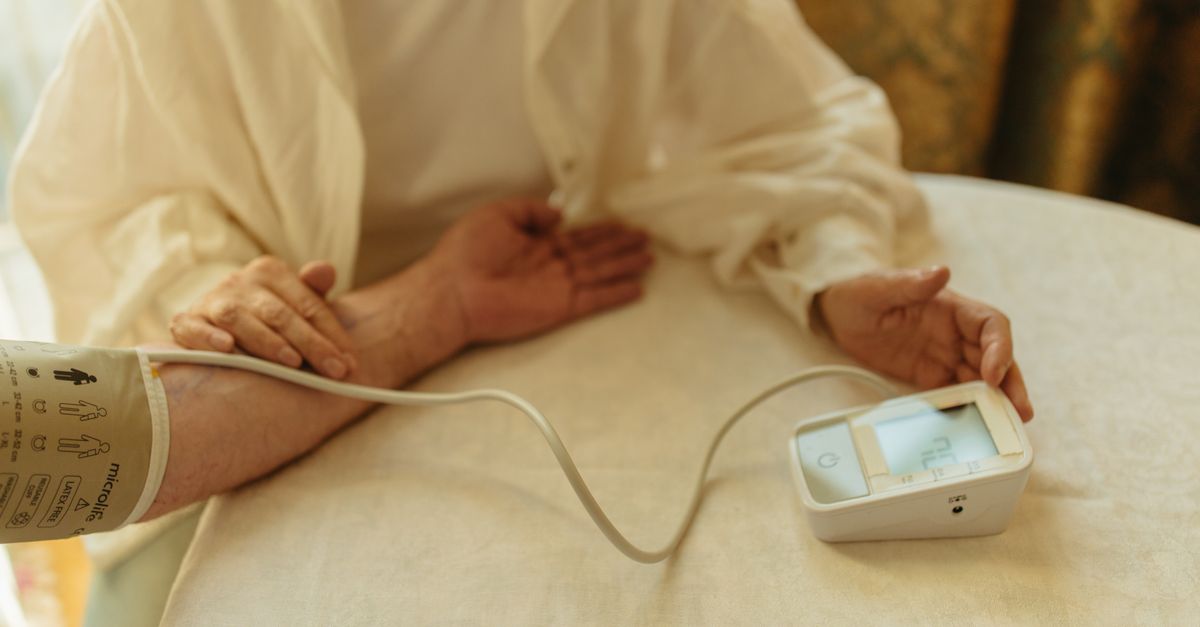
- Track one health metric. Blood pressure, blood sugar, or even steps. Use a simple notes app or a free tracker.
- Set a digital boundary. Don’t let health apps consume you. Use them for 10 minutes a day, then put your phone down.
The Future Is Already Here—Are You Ready?
I’ll leave you with this: the digital economy in Ho is not a trend—it’s a transformation. It’s changing how we think about health, how we access care, and how we take control of our own wellbeing.
But here’s the thing—it only works if you participate. If you’re reading this and you’re still waiting for someone else to fix healthcare in Ho, you’re missing the point. The power is in your hands. Literally. The phone you’re holding right now can be your gateway to better health.
So I challenge you: this week, try one digital health tool. It could be as simple as setting a reminder to drink water or as bold as booking a telemedicine appointment. See how it feels. See if it changes anything.
And then come back and tell me. Because the digital economy in Ho is not a spectator sport—it’s a community project. And we need every voice, every idea, and every action.
Your health is worth it. Your community is worth it. And you? You’re more powerful than you think.