
Look, I'm going to say something that might get me uninvited from dinner parties: most travel tech is overrated garbage that actually makes your trips worse. I've been burned by "smart" luggage that died mid-trip, translation apps that butchered my dinner orders, and AI itinerary planners that sent me to tourist traps. But here's the thing — when you strip away the noise, the right technology doesn't just make travel easier. It rewires how you experience the world. And I've found the difference between a good trip and a life-changing one often comes down to three specific tools most people ignore.
Let me show you what actually works.
The Hidden Cost of "Smart" Luggage (And Why I Switched Back to Dumb Bags)
I'll never forget standing in a crowded airport in Marrakech, watching my "smart" suitcase's battery die while I frantically searched for a charger. The Bluetooth tracker? Useless. The built-in scale? Wrong by three kilograms. The USB ports? Dead weight. I've learned the hard way that the best travel tech is the kind you forget exists.
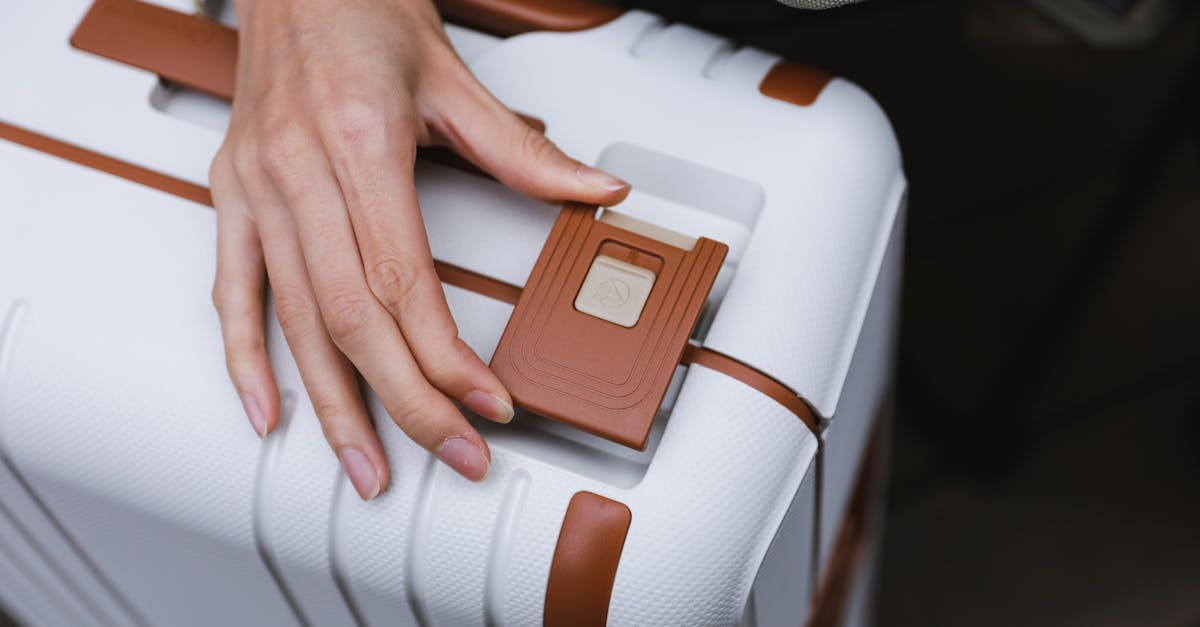
Here's what most people miss: suitcase tech is a solution looking for a problem. You don't need a bag that charges your phone. You need a bag that fits in overhead bins and doesn't fall apart. I've since switched to a simple, durable carry-on with four spinner wheels and a warranty. My phone charges from a power bank that cost me $20. The "smart" suitcase cost $400 and gave me nothing but anxiety.
But there's one piece of luggage tech I swear by: a GPS tracker — not in your bag, but in your backpack or wallet. I use a slim Tile Slim in my wallet and an Apple AirTag in my main bag. Why? Because airlines lose bags, and having a real-time location to show the agent makes them actually care. I've recovered two lost bags this way. Worth every penny.
The 3 Things Your Phone Must Have Before You Board
Let's be honest — your phone is already the most powerful travel tool you own. But most people use it wrong. They download 47 apps and use three. I've streamlined my travel tech stack to just three essentials that cover 90% of problems:
1. Offline Maps (Not Google Maps) Google Maps is great until you're in a remote village in Morocco with no signal. I use Maps.Me — it's free, it's offline, and it shows hiking trails, local shops, and even public toilets. Pro tip: download the map of your entire destination country before you leave. Takes five minutes, saves you hours of frustration.
2. A VPN That Doesn't Suck This is non-negotiable. Public Wi-Fi in hotels, cafes, and airports is a hacker's playground. I use NordVPN (not sponsored, just works). It also lets me access my banking apps, streaming services, and work tools that might be geo-blocked. Saved my butt when I needed to log into my bank in Egypt and the site was blocked.
3. A Translation App That Actually Listens Google Translate is fine for text, but for real conversations? Try iTranslate or SayHi. The voice mode picks up accents and background noise better. I once used it to negotiate a taxi fare in a language I'd never heard before — the driver and I ended up laughing at the robotic voice. It broke the ice and got me a fair price.
Bonus: A currency converter widget on your home screen. Saves you from doing math in your head after three glasses of wine. Yes, that's a personal confession.
Why I Stopped Using AI Travel Planners (And What I Use Instead)
I tried them all — the AI trip planners that promise "perfect itineraries" based on your preferences. Every single one sent me to overpriced restaurants, generic "Instagrammable" spots, and hotels that looked nothing like the photos. AI doesn't understand serendipity. It doesn't know that the best meal you'll ever have is at a hole-in-the-wall joint with no online presence.
But here's the twist: I've found that AI works brilliantly for one specific thing — finding hidden gems. Not by asking it to plan your trip, but by using it to cross-reference data. Here's my trick:
- Search Reddit threads for "underrated [city name]" or "hidden gems [destination]"
- Copy the top 10 recommendations
- Paste them into ChatGPT and ask: "Which 5 of these are actually worth visiting, and why?"
- Then check Google Maps reviews for the real story

The Secret Weapon Every Traveler Ignores (And It's Free)
You're going to think I'm crazy, but hear me out: the most underrated travel tech is a simple note-taking app. Not a fancy travel journal, not a blog, not a vlog. Just a plain text app like Google Keep, Apple Notes, or Notion.
Here's why: your brain will forget 80% of your trip within a month. I've tested this. I went to Japan two years ago and swore I'd remember every detail. Six months later, I couldn't tell you what I ate for dinner on day three. But my notes? They captured the exact moment a street vendor in Osaka laughed at my terrible Japanese and gave me free takoyaki. The smell of the alley. The sound of rain on a temple roof.
I use a simple system: Every evening, I spend five minutes writing three things:
- One moment that surprised me
- One person I talked to (even briefly)
- One thing I'd tell my past self about today
Pro tip: Use voice-to-text if you're tired. I dictate my notes while lying in bed. Takes 60 seconds. Future you will thank present you.
The Tech I Wish I Had on My First Trip (A Brutally Honest List)
If I could go back in time and hand my 22-year-old self a tech kit, here's exactly what I'd give her — no fluff, no sponsored junk:
- A Kindle (not a tablet). Tablets distract. A Kindle lets you read without notifications. I've finished more books on planes than in my entire adult life.
- A universal adapter with USB-C PD. One adapter that charges everything — laptop, phone, Kindle, power bank. I use the Zendure Passport III. No more hotel room Tetris with plugs.
- A backup power bank that's actually small. Anker makes one that's the size of a lipstick. Charges my phone twice. Fits in my coin pocket. Absolute lifesaver.
- A packable daypack. I use the Matador Freerain24. It folds down to the size of a fist. Perfect for day trips when you don't want to carry your main bag.
- A SIM card or eSIM that works globally. I use Airalo for eSIMs. No physical card to lose, no roaming fees. You're online in 60 seconds after landing.
The Disturbing Truth About Travel Tech and Your Privacy
Let's get real for a second. Every time you connect to airport Wi-Fi, use a hotel app, or check in with a flight tracker, you're handing over data. I've had my credit card cloned after using a dodgy airport hotspot. I've had targeted ads for hotels I searched for while I was still in the airport. It's creepy.
Here's what I do now:
- Never use hotel apps. They track your location, your TV habits, even your room temperature. Use the web version if you must.
- Turn off Bluetooth and Wi-Fi when not using them. This stops "pinging" by advertisers and trackers.
- Use a burner email for travel bookings. I have a separate Gmail account just for flights, hotels, and tours. No spam, no tracking.
- Cover your laptop camera. Yes, I'm that person. But I've never been hacked.

The One Thing Tech Will Never Replace
I've spent over a decade traveling with gadgets, apps, and tools. I've tested things you've never heard of and things that made me want to throw my phone into the ocean. But here's the truth I keep coming back to: the best travel technology is the one that gets out of your way.
It doesn't make you miss the moment because you're fiddling with an app. It doesn't replace the feeling of getting lost and finding something unexpected. It doesn't substitute for the kindness of a stranger who points you in the right direction when your phone battery is dead.
Travel tech should be like a good pair of shoes — you only notice it when it's not working.
So here's my challenge to you: on your next trip, leave one piece of technology behind. Maybe it's your smartwatch. Maybe it's your camera. Maybe it's your phone for an afternoon. See what happens. You might find that the best travel memories aren't the ones you planned, tracked, or shared. They're the ones that simply happened.
Now go book that trip. And don't forget to take notes.