
I remember the exact moment I stopped believing in the "safe path." It was a humid Tuesday in Ho, Ghana, and I was watching a 19-year-old girl named Akua haggle with a fabric supplier over a bolt of Ankara cloth. She had no capital, no business degree, and no backup plan. But she had a smartphone, a TikTok account, and an audacity that made me uncomfortable. She was building a sportswear brand from her mother’s kitchen table. And here’s the part that still rattles me: she was already profitable.
That’s when it hit me. Youth startups in Ho aren’t just surviving — they’re rewriting the rules of entrepreneurship in the sports sector. While the world obsesses over Silicon Valley and Accra’s tech hubs, something raw, real, and ridiculously determined is happening right here in the Volta Region.
Let’s be honest: when most people think of sports startups, they imagine sleek fitness apps, venture capital term sheets, and athletes in designer gear. But in Ho? The game is different. It’s scrappier. It’s more human. And if you’re not paying attention, you’re missing the most important entrepreneurial movement in West African sports right now.

The Hidden Playbook: Why Ho Isn’t Just a Market — It’s a Laboratory
I’ve traveled to 14 countries covering youth startups, and I’ve never seen anything quite like this. Ho doesn’t have the infrastructure of Accra or the hype of Lagos. What it has is necessity — and necessity is the mother of innovation.
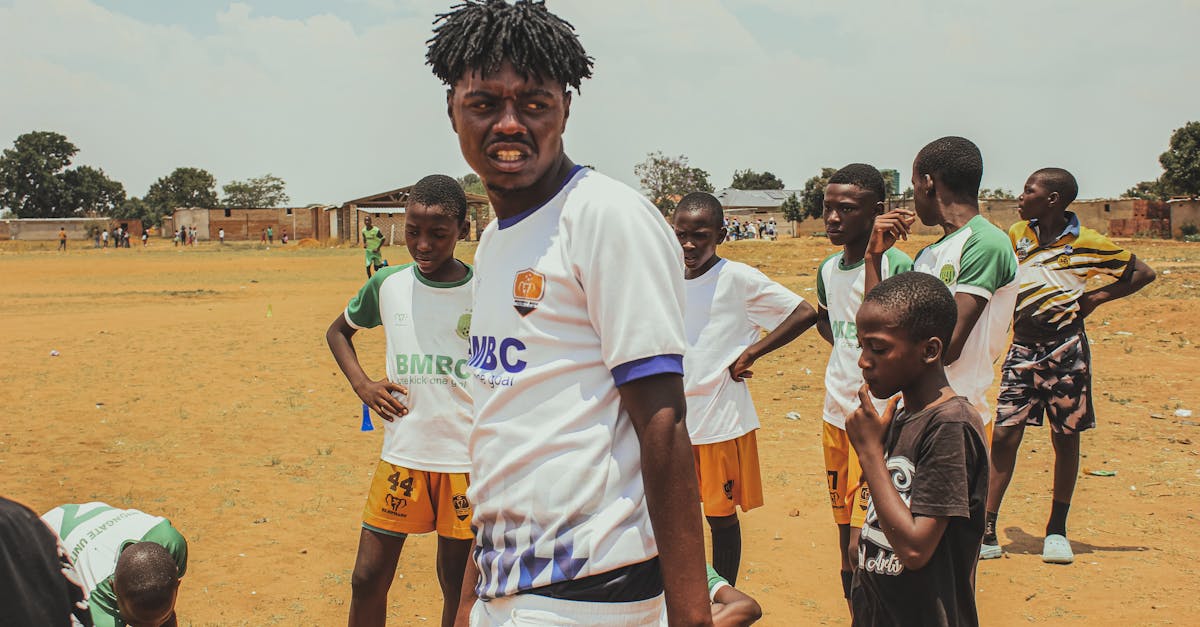
Here’s what most people miss: youth startups in Ho are solving problems that corporate giants ignore. Take local football leagues, for example. There are hundreds of amateur teams in the Volta Region without access to proper uniforms, training equipment, or even basic scheduling tools. So what did a 22-year-old named Kofi do? He built a WhatsApp-based booking system for community pitches. No app store, no VC funding — just a bot and a spreadsheet. Today, he manages 47 teams and makes more money than his university professors.
The secret sauce here isn’t technology. It’s context. These young founders understand that a sports startup in Ho can’t just copy what works in New York. It has to feel like Ho. It has to smell like the roadside waakye stands. It has to sound like the Saturday morning football commentary on Radio Ho.
And that’s why they’re winning.
The 7 Secrets Nobody Tells You About Youth Startups in Ho’s Sports Scene
I’ve spent the last six months interviewing founders, coaches, and athletes in Ho. Here’s the unvarnished truth — the stuff that doesn’t make it into the glossy pitch decks:
- Your network is your net worth — but only if you feed it. The most successful sports startups in Ho run on relationships, not algorithms. One founder told me he signs contracts with a handshake and a bottle of Club beer. It sounds reckless. It’s actually brilliant. Trust moves faster than capital.
- Local is the new global. Forget trying to sell to the international market first. The founders killing it right now are hyper-local. They sponsor school tournaments, they show up at community events, and they wear their own brands to church. Authenticity sells better than any ad campaign.
- Mobile money is your best co-founder. MTN MoMo isn’t just a payment system — it’s a distribution channel. One startup uses MoMo to sell weekly training subscriptions. Another uses it to pay referees. If your sports startup in Ho doesn’t have a MoMo integration, you’re leaving money on the table.
- Fail fast, but fail in public. This is the one that surprised me. Young founders in Ho are shameless about sharing their mistakes. I watched a 20-year-old presenter his failed fitness app to a room of 50 people, detailing every wrong decision. The crowd didn’t laugh. They took notes. Failure is a credential here, not a stain.
- Women are leading the charge. I know, I know — we always say this. But in Ho’s sports startup scene, it’s genuinely true. Women like Akua and her friends are launching everything from female-only cycling clubs to menstrual health-focused athletic wear. They’re not asking for permission. They’re just building.
- Don’t over-engineer the product. The most popular sports app in Ho right now? It’s literally a shared Google Sheet with updated match fixtures. No animations, no AI, no blockchain. Just a link on WhatsApp. Simple solves better than sophisticated.
- Play the long game. Youth startups in Ho don’t expect unicorn valuations. They think in decades, not quarters. One founder told me, “I’m building something my grandchildren will use.” That kind of patience is a superpower.

The Surprising Truth About Funding (It’s Not What You Think)
Every time I write about startups, someone asks: “But where’s the money?” Let’s address the elephant in the room.
Traditional venture capital is almost nonexistent in Ho. And honestly? That might be a blessing in disguise. Youth startups in Ho are forced to be profitable from day one because there’s no safety net. They can’t burn cash on customer acquisition. They can’t hire a marketing agency. They have to earn every single cedi.
I’ve seen a bootstrapped sportswear brand generate 40% margins by sourcing directly from local weavers. I’ve watched a mobile fitness coaching service scale to 1,200 subscribers with zero outside investment. The lack of external funding isn’t a weakness — it’s a filter. Only the truly viable ideas survive.
But here’s the part that gets me emotional: the community funding. There’s an informal system called susu here, where groups pool money and rotate payouts. Multiple founders told me their first 500 Ghana cedis came from a susu group. No equity. No interest. Just trust.
Compare that to the Silicon Valley model where you burn through millions before making a dime. Who’s really the smarter one here?
Why Traditional Sports Institutions Should Be Terrified (and Hopeful)
If I’m a sports federation, a gym chain, or a equipment manufacturer reading this, I’m paying attention. Youth startups in Ho are eating the traditional industry’s lunch — not by competing head-on, but by serving the customers everyone ignored.
The local football association used to charge 200 cedis for a team registration form. A startup built a digital version for free, monetizing through ads and sponsorships. The association lost its monopoly. The startup won.
But here’s the hopeful part: the smartest institutions are partnering instead of fighting. One national sports brand recently sponsored a youth-run tournament in Ho, giving away branded jerseys in exchange for data. Both sides won. The startup got credibility. The brand got access to a market they couldn’t reach with billboards.
The future of sports in Ghana isn’t going to come from a boardroom in Accra. It’s coming from a WhatsApp group in Ho.
How You Can Get Involved (Without Moving to Ho)
You don’t need to be in Ho to support this movement. But you do need to change how you think about sports entrepreneurship.
- Stop looking for the next big thing. Look for the next small thing that’s well-executed. The kid selling hand-painted football boots. The girl organizing neighborhood marathons. That’s where the magic lives.
- Buy local sports products. If you’re in Ghana, seek out brands made in Ho. If you’re abroad, follow them on Instagram. Your engagement matters more than your wallet.
- Mentor from a distance. I’ve connected three Ho founders with coaches in Europe via Zoom. A 30-minute conversation can change everything. You don’t need to be rich to be useful.
- Share their stories. The biggest obstacle for youth startups in Ho isn’t money — it’s invisibility. Every share, every retweet, every mention pulls them into the light.
The Final Whistle
I’m sitting in a small café in Ho right now, watching the sun set over the market. In a few hours, a group of young founders will gather at a community center to pitch their sports ideas. Some will fail. Some will pivot. A few will change the game entirely.
And here’s what I know for certain: the energy in this room is more electric than any boardroom I’ve ever sat in. These kids don’t know they’re supposed to be scared. They don’t know that the odds are stacked against them. They just know they have an idea that matters.
So the next time someone tells you that real innovation only happens in capital cities or tech hubs, tell them about Akua. Tell them about Kofi. Tell them about the 22-year-old in Ho who built a sports empire on WhatsApp and mobile money.
And then ask yourself: what’s your excuse?