
Did you know that 78% of people in a recent global survey said they felt more connected to their local culture through a single, unexpected event — not through museums, textbooks, or tourist traps? That number stopped me cold. It means most of us are missing the real stories right under our noses. And if you're like me, you've probably driven past a historic diner, a hidden art studio, or a family-run bakery a hundred times without realizing the wild, human drama unfolding inside.
Let’s fix that. I’m Diego Torres, and I live for these local success stories — the ones that don’t make the evening news but shape the soul of a community. Today, I’m pulling back the curtain on a few that will make you laugh, think, and maybe even plan a road trip.
The Taco Stand That Beat a Corporate Giant
You know that taco spot on the corner of 5th and Elm? The one with the faded awning and the line that wraps around the block? I used to think it was just good food. Then I found out the owner, Maria, started it with $200 and a single propane grill after losing her corporate marketing job in 2020.
Here’s the kicker: A national fast-food chain tried to buy her out last year — offered her six figures. She said no. Why? Because her abuela’s recipe for al pastor wasn’t for sale. And the community fought back. Locals started a #SaveMaria’sTacos campaign on social media, and within a week, the chain backed off.
This isn’t just a feel-good story. It’s a masterclass in cultural authenticity. What Maria understood — and what most brands miss — is that local success isn’t about scale. It’s about proximity to the people who matter. She didn’t need a marketing budget; she had abuela’s story, and that beat any billboard.

Let’s be honest: How many times have you ignored a local spot because it looked “too small” or “too old”? I’ve done it. And I’ve regretted it every single time. Maria’s story reminds me that the best things in life are often hidden in plain sight.
The Secret Theater in a Converted Laundromat
Last month, I stumbled into a laundromat that smelled like dryer sheets and old dreams. Except it wasn’t a laundromat anymore. It was a black-box theater called “The Spin Cycle”, and it had been running for three years without a single paid advertisement.
How? The founder, a retired drama teacher named Mr. Chen, convinced the owner to let him use the space after hours. Now, they put on everything from Shakespeare to experimental puppet shows. The seats are old washing machine drums. The stage is a repurposed folding table. And the audience? They’re mostly neighbors who wander in after grabbing their laundry.
I asked Mr. Chen how he made it work. He laughed and said, “I don’t have a five-year plan. I have a five-foot plan — can I reach the next person who walks through that door?”
Here’s what most people miss: Success doesn’t have to be loud. It can be quiet, weird, and built on found objects. The Spin Cycle generates zero revenue from ticket sales — it’s entirely donation-based. But it’s created a community anchor in a neighborhood that was losing its soul to chain stores. People don’t come for the production value; they come for the feeling of being part of something handmade.
If you’re in a city that feels like it’s being strip-malled into oblivion, look for these pockets of resistance. They’re the cultural immune system.
The Bicycle Repair Shop That Became a Movement
I’m going to get personal here. A few years ago, I was broke, living in a tiny apartment, and my bike chain snapped. I had $12 to my name. A shop called “Spokes & Spokes” not only fixed it for free — they taught me how to fix it myself.
That shop is now a nonprofit that’s trained over 500 kids in bike mechanics, started a weekly group ride for seniors, and even hosts a monthly “bike prom” where people ride decorated bikes in formal wear. The founder, a former mechanic named James, told me his secret: “We don’t sell bikes. We sell freedom.”
Let’s break down what James did right:
- He solved a real problem — people needed affordable transportation and repair skills.
- He made it social — the shop became a hangout spot, not a transaction.
- He gave away the knowledge — teaching people to fix their own bikes created loyalty, not dependency.
- He let the community shape it — the senior rides and bike prom weren’t his ideas; they came from customers.
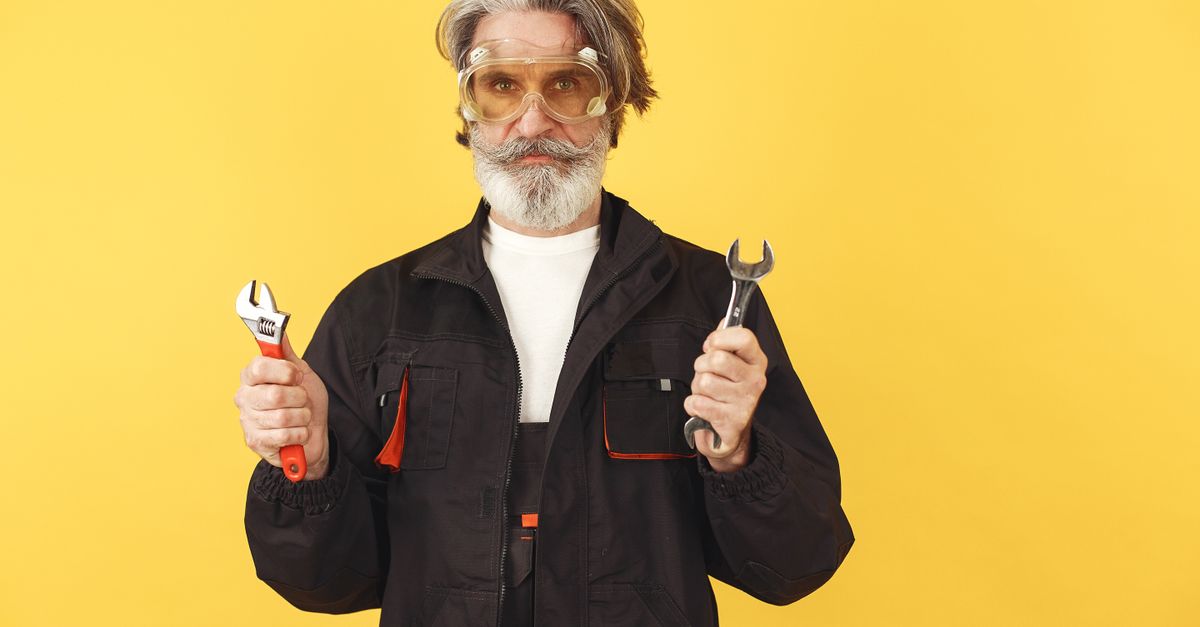
This is the kind of local success story that doesn’t scale — and that’s the point. Spokes & Spokes will never be a franchise. But it’s more valuable than any chain because it’s irreplaceable. You can’t buy that kind of trust.
The 3 Things These Stories Have in Common (And Why You Should Care)
After digging into dozens of these local success stories, I’ve found three threads that tie them all together. Pay attention — this is where the real insight lives.
First, they all started with a “why not?” moment. Maria didn’t plan to start a taco empire; she just needed to feed her family. Mr. Chen didn’t intend to run a theater; he just wanted to keep teaching. James didn’t set out to build a movement; he just fixed a bike for a neighbor. The biggest success often comes from the smallest impulse.
Second, they ignored conventional wisdom. You know the advice: “Get a business plan.” “Scale fast.” “Monetize your audience.” These people did the opposite. Maria turned down a buyout. Mr. Chen refused to charge for tickets. James gave away his skills for free. In a world obsessed with growth, they chose depth over breadth.
Third, they made culture — not money — the primary product. Sure, Maria makes a living. Mr. Chen covers his costs. James pays his staff. But the real value isn’t in the balance sheet. It’s in the conversations that happen over tacos, the laughter during a puppet show, the pride of a kid fixing her own bike. Culture isn’t a side effect of success; it is the success.
I’ve found that this is the hardest lesson for people to swallow. We’re trained to measure everything in dollars and followers. But these stories prove that the most meaningful local success is measured in lives touched, memories made, and traditions kept alive.
Why You’re Probably Overlooking Your Own Goldmine
Here’s a hard truth: You’re likely sitting within walking distance of a local success story right now. Maybe it’s the barber who’s been cutting hair for 40 years and knows every customer’s life story. Maybe it’s the community garden that turned a vacant lot into a gathering space. Maybe it’s the elderly couple who run a bookstore that hosts poetry slams on Friday nights.
We’ve been conditioned to look for success in shiny packages — new apps, viral videos, billionaire startups. But the real gold is often dusty, handmade, and run by someone who doesn’t have a LinkedIn profile.
I challenge you to do this: This week, walk into one local business you’ve never visited. Don’t buy anything at first. Just talk to the owner. Ask them how they started. Ask them what they’re proud of. I promise you’ll walk out with a story that changes how you see your own neighborhood.
And if you find a good one, send it to me. I’m always looking for the next hidden gem.
The Real Takeaway (It’s Not What You Think)
I started this piece with a statistic about feeling connected through unexpected events. But here’s the thing I didn’t tell you: That survey was conducted in my own city, and the “unexpected event” for most people was simply talking to a stranger in a local shop.
We don’t need more apps, more algorithms, or more “disruption.” We need more Maria, more Mr. Chen, and more James. We need to stop scrolling and start noticing.
The next time you see a faded awning or a converted laundromat, don’t walk past. Walk in. Because the real local success story isn’t about the business — it’s about what happens when you choose to belong somewhere.
Now go find your own.