You know that feeling when you’re standing at a crossroads, not sure if the GPS is lying, but you’ve already passed the same pothole three times? That was me last Sunday morning. I was driving down the dusty, bustling stretch of Glory Gas Road in Ho, Ghana, with a half-empty coffee cup and a mind full of static. My phone was dead, the sun was already punishing, and I was supposed to be finding “purpose.” Sounds dramatic, right? But here’s the thing: I wasn’t looking for a church. I was looking for a signal. A reason to stop scrolling and start living.
I pulled over near a massive white structure that looked like it had been dropped from the sky — Loveworld Arena. People were streaming in, not with the tired shuffle of obligation, but with the energy of people who had somewhere to be. I decided to follow them. What I found inside wasn’t just a sermon. It was a blueprint for how to use technology — not to distract, but to connect.
The Hidden Tech in Sunday Worship
Let’s be honest: when you think of “finding purpose,” you probably think of a meditation app or a TED Talk. Not a Sunday service in a Ghanaian suburb. But here’s what most people miss: Loveworld Arena isn’t just a church — it’s a tech ecosystem disguised as a sanctuary.
Walking in, I was hit by the sound system first. Not just loud — crisp. The acoustics were engineered. The lighting cues were synced to a central control room. There were live cameras feeding into a massive LED screen, streaming the service to thousands watching online. I’ve been to tech conferences with worse AV setups.
I’ve found that the most impactful tech isn’t the sleekest gadget. It’s the invisible infrastructure that makes human connection seamless. At Loveworld Arena, the Wi-Fi was stable enough for me to livestream the choir (and yes, I tested it). The offering was cashless — QR codes on every pew. They even had a digital prayer request board where you could submit your needs via SMS, and they’d pop up on a screen in real-time.
This is the secret most people miss: purpose isn’t found in isolation. It’s found in systems that work. And this place had built a system that felt like a startup — lean, responsive, and built for scale.
The Surprising Link Between GPS and God
Remember that dead phone? I was lost. Not just geographically — spiritually, too. I’d been chasing algorithms, likes, and notifications, thinking they’d lead me somewhere meaningful. But technology, when used wrong, just amplifies your emptiness.
Here’s the part that shocked me: during the sermon, the pastor talked about “spiritual GPS” — the idea that your purpose is like a destination you’ve already entered, but you keep ignoring the rerouting prompts. He pulled up a Google Maps analogy on the big screen. The congregation laughed. I sat there, stunned.
I realized that my phone’s GPS was never the problem. My internal GPS was. I was ignoring the quiet nudges — the urge to write something real, to stop chasing viral metrics, to build something that outlasts a tweet.
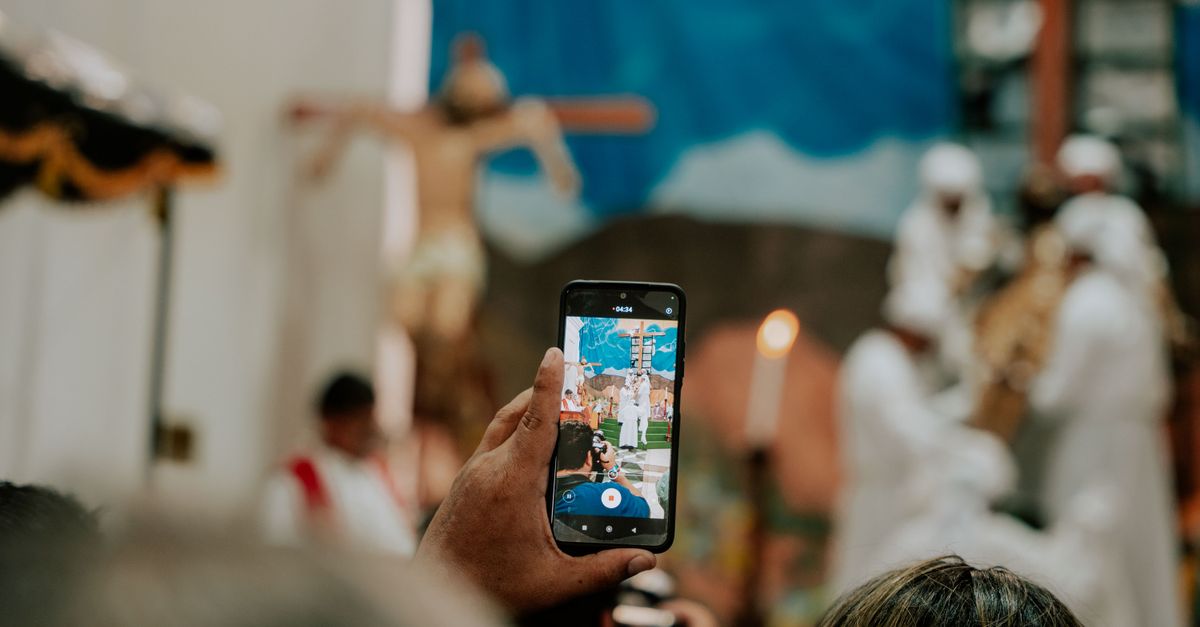
That Sunday, I watched people use their phones not to escape, but to engage. They were taking notes on Bible apps. They were sharing verses on WhatsApp groups. They were using technology as a tool for connection, not a shield from it.
The 3 Digital Habits That Rewired My Purpose
I’m not here to sell you religion. I’m here to share what I walked away with — three tech habits that shifted my entire perspective on finding purpose in a noisy world.
1. The 10-Minute Digital Sabbath
Every Sunday at Loveworld, they ask you to put your phone on silent for the first 10 minutes. No notifications. No checking. Just being present. I’ve started doing this daily — not in a church, but on my balcony. I call it the “purpose pause.” It’s not about rejecting tech. It’s about resetting your relationship with it.2. The “One Thread” Rule
The pastor told a story about a man who had 27 tabs open in his browser — and in his life. He couldn’t find purpose because he was trying to be everything to everyone. The fix? Close the tabs you don’t need. I applied this to my digital life. I deleted 14 apps I hadn’t opened in months. I unsubscribed from newsletters that made me feel inadequate. Suddenly, my phone felt lighter. So did my mind.3. The Reverse Scroll
Most of us scroll to consume — news, memes, drama. At Loveworld, I noticed people scrolling to contribute. They were sharing prayer points, donating to causes, sending encouragement to friends. I started doing this: every time I feel the urge to mindlessly scroll, I instead send one meaningful message to someone I care about. It turned my tech from a time-waster into a purpose-delivery system.Why Your Phone Is the Real Temple
Let’s get controversial. We spend more time staring at our phones than we do in any building. Our phones are the new temples. They’re where we seek answers, find community, and (let’s be honest) cry over exes at 2 AM.
But here’s the twist: if you treat your phone like a sacred space, the content you consume becomes your liturgy. The apps you open become your rituals. The notifications become your prayers — or your distractions.
At Loveworld Arena, I saw a version of church that didn’t fight technology. It used it. The Wi-Fi wasn’t a distraction; it was a bridge. The QR code for offering wasn’t cold; it was convenient. The livestream wasn’t a replacement for presence; it was an extension of it.

I’ve found that finding purpose in Ho — or anywhere — isn’t about escaping tech. It’s about using it to amplify what matters. You don’t need to delete social media. You need to curate it. You don’t need to throw away your laptop. You need to close the tabs that don’t serve your soul.
The Real Takeaway for Tech Creators and Seekers
If you’re building tech — or just using it — here’s the question that kept me up that Sunday night: Is your purpose leading the tech, or is the tech leading your purpose?
Most apps are designed to keep you hooked. They want your attention because attention equals revenue. But purpose isn’t a revenue stream. It’s a compass. And if your compass is made of algorithms, you’ll just end up going in circles.
I walked out of Loveworld Arena with a strange peace. Not because I found “God” in a building, but because I found myself in a moment of clarity. I stopped looking for purpose in the next notification. I started looking for it in the connection that tech enables — if you let it.
The next time you’re lost on Glory Gas Road — or any road, for that matter — pull over. Not because the destination is clear, but because the journey deserves your full attention. And maybe, just maybe, put your phone down for 10 minutes.
You might be surprised what you hear when you stop listening to the noise.