
I remember the first time I set foot in Barracks Newtown, Ho. It was a humid Tuesday, and the potholes on the main road looked like they were competing for Olympic gold in depth. I was there to cover a local football match, but what I found was something far more interesting than a 1-1 draw. I found a pulse. And at the center of that pulse was a building that looked nothing like a typical sports venue. It was the Loveworld Arena, and honestly? It’s changing the game for this community in ways most people completely miss.
Let’s be real for a second: when you hear "sports facility in Ghana," you probably think of the Accra Sports Stadium or the Cape Coast Stadium. Big, government-funded, national-team-level stuff. But what about the neighborhoods where real life happens? The places where kids kick a deflated football between two bricks? That’s where the real action is, and that’s exactly where Loveworld Arena is planting its flag.
The "Hidden Gym" Effect: Why Community Spaces Matter More Than Trophies
Here’s what most people miss about sports development in Ghana. We obsess over the national team, the Black Stars, and the next big Premier League export. But the real foundation of athletic success is built in neighborhoods like Barracks Newtown, not in plush academies. And that’s exactly where Loveworld Arena comes in.
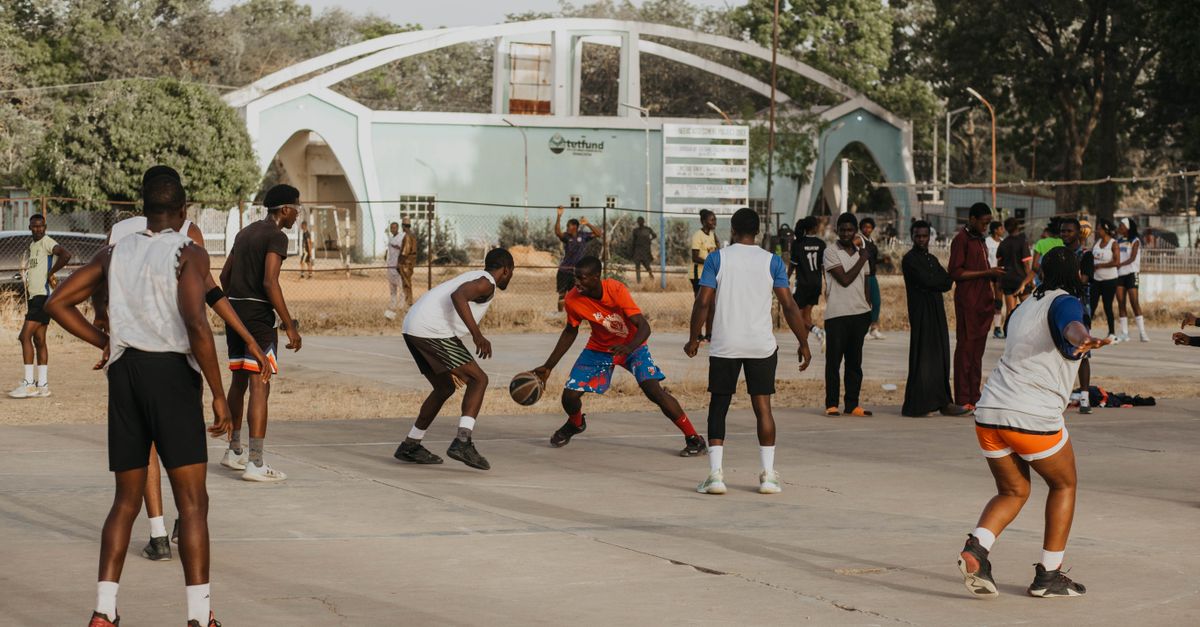
I walked into the Arena on a Saturday morning, expecting a handful of people. Instead, I found a scene that looked like a mini-Olympic village. Kids were running drills on a basketball court that had seen better days but was still immaculate by local standards. A group of women were doing aerobics in the corner, laughing at a joke I couldn’t hear. And in the back, a boxing coach was teaching footwork to a teenager who looked like he was about to take on the world.
What struck me wasn’t the equipment—though the free weights were surprisingly solid. It was the energy. People weren't just working out; they were connecting. I’ve found that in most Ghanaian communities, the local "sports center" is either a dusty field or a bar with a pool table. Loveworld Arena is neither. It’s a purpose-built hub designed to foster more than just physical fitness.
The simple truth? You can’t build a stronger community if you don’t give people a place to gather that isn’t a church, a bar, or someone’s living room. Loveworld Arena fills that gap. It’s the "third place" that sociologists keep talking about—a space that isn’t home or work, but a neutral ground where social bonds are formed. And in a town like Ho, which is growing fast but still feels like a big village, that’s essential.

The 3 Pillars of a Sports-Driven Community (That Nobody Talks About)
I’ve been to a dozen community sports projects across West Africa, and most of them fail because they only focus on one thing: the sport itself. They build a nice court, buy some balls, and expect magic to happen. It doesn’t. Loveworld Arena is different because it’s built on three pillars that most developers overlook.
1. Accessibility Over Exclusivity
Most sports facilities in Ghana charge fees that lock out 80% of the local population. Loveworld Arena doesn’t. From what I gathered, the entry fees are nominal—barely enough to cover maintenance. This isn't charity; it's smart community building. When you make a space accessible, you attract a cross-section of the community. You get the university student, the market woman, the taxi driver, and the primary school kid all in the same space. That mix is where real community magic happens.2. Multi-Sport Flexibility
Here’s a secret: mono-sport facilities are a death sentence for community engagement. If you only build a football pitch, you alienate basketball players, boxers, and badminton enthusiasts. Loveworld Arena is a chameleon. The basketball court doubles as a volleyball court. The indoor space can host martial arts in the morning and Zumba at night. This isn't accidental; it’s a deliberate design choice to maximize utility. In a community with limited space, you need a facility that can shapeshift.3. Youth Leadership Programs
This is the one that got me excited. I spoke to a young man named Kwame, 19, who used to hang around the streets after school. Now, he’s a junior coach at the Arena. He told me, "This place gave me something to protect." That’s the secret sauce. Loveworld Arena doesn't just host sports; it trains local youth to run the programs. This creates ownership. When the community feels like the facility is theirs, they take care of it. Vandalism drops. Participation spikes. The whole vibe shifts from "someone else’s project" to "our home."The "Barracks Newtown" Factor: Why This Specific Location Matters
If you’ve never been to Barracks Newtown, let me paint you a picture. It’s a densely populated area in Ho, historically linked to military barracks, but now it’s a melting pot of students, traders, and families. It’s an area with high energy but limited structured activities for young people.
Before Loveworld Arena, what did a teenager in Barracks Newtown do after school? Watch videos on a phone, maybe play football on a dusty patch of land, or worse—get into trouble. The area has a reputation for being a bit rough around the edges. Not dangerous, but definitely lacking positive outlets.
The Arena has become a buffer zone between idleness and opportunity. I saw it with my own eyes: a group of boys who looked like they were about to start a fight instead ended up challenging each other to a three-point shooting contest. The coach refereed. No one got hurt. Everyone laughed.
What’s surprising is how quickly this has changed the local perception of the neighborhood. I spoke to a mother who said she used to worry about her son walking home alone after dark. Now, he’s at the Arena until 7 PM, and she feels safe knowing he’s supervised and engaged. That’s not a small thing. That’s the kind of social infrastructure that reduces crime and increases trust.
The "Wellness Economy" Is Knocking – Is Ho Ready?
Let’s talk about something uncomfortable. Ghana’s urban centers are facing a health crisis. Not just the obvious stuff like malaria, but lifestyle diseases: hypertension, diabetes, obesity. These are skyrocketing because we’ve adopted sedentary lifestyles without the infrastructure to counter them.
Loveworld Arena is quietly fighting this battle. I walked past the outdoor gym area at 6 AM, and it was packed. Not with bodybuilders, but with ordinary people—market sellers, teachers, retirees—doing calisthenics and running laps. This is the "wellness economy" in action. People are realizing that health isn't just about avoiding sickness; it's about active living.
Here’s what I find fascinating: the Arena isn’t just a sports facility; it’s a health intervention. Regular physical activity reduces the risk of chronic diseases by up to 50%. In a country where healthcare costs are rising, investing in a space that encourages movement is one of the most cost-effective public health strategies. And it’s happening right here in Barracks Newtown, not in a government hospital.
But let’s be honest: it’s not perfect. The facility could use more lighting for evening sessions. Some of the equipment is showing wear. And the drainage during the rainy season? Not ideal. But here’s the thing: perfection is the enemy of progress. The fact that this place exists and is used daily is a win.
How Loveworld Arena Is Reshaping the Local Sports Culture
We need to talk about the cultural shift. In many Ghanaian communities, sports are seen as either a serious career path (if you’re talented enough to go pro) or a waste of time. There’s very little middle ground. Loveworld Arena is normalizing recreational sports as a lifestyle choice.
I saw a group of office workers playing badminton at lunchtime. I saw a father teaching his daughter how to shoot a basketball. I saw a group of older men playing table tennis and trash-talking each other like they were in a World Cup final. This is the kind of inclusive sports culture that builds healthier, happier communities.
The Arena has also become a destination for inter-community competitions. Schools from neighboring areas come for friendly matches. This creates a ripple effect: kids from other neighborhoods now see Barracks Newtown as a place of opportunity, not just a place to pass through. That changes the neighborhood’s identity.
And let’s not forget the economic angle. Local vendors now set up shop near the Arena on weekends. A small food stall sells waakye and fante kenkey. A woman sells fresh coconut water. The Arena is becoming a micro-economic hub, generating small income opportunities for locals. That’s community development in its most organic form.

The Inconvenient Truth: What Loveworld Arena Still Needs
I’m not here to sugarcoat things. If you’re looking for a glossy, fully-funded, world-class facility, Loveworld Arena isn’t that. It’s rough around the edges, and that’s part of its charm. But it also has real needs.
First, consistent funding for maintenance. Community-run facilities often struggle with upkeep. The basketball court needs resurfacing. The changing rooms could use an upgrade. Without a sustainable funding model—whether from local government, corporate sponsorships, or community contributions—the Arena risks falling into disrepair.
Second, structured programming. Right now, a lot of the activities are organic, which is great for spontaneity but not for long-term growth. Imagine if they had a weekly schedule: Monday boxing, Tuesday basketball clinic, Wednesday women’s fitness, Thursday youth leadership, Friday open play. That would attract more people and create a rhythm.
Third, visibility. Ho isn’t Accra. The Arena doesn’t get media coverage. It’s a hidden gem. More people need to know about it—not just in Ho, but across the Volta Region. This could be a model for other communities if it gets the attention it deserves.
But here’s the thing: Rome wasn’t built in a day, and neither is a strong community. Loveworld Arena is laying the foundation. The fact that it exists, is used, and is loved by the locals is a testament to what happens when a vision meets action.
So, What’s the Takeaway?
If you’ve read this far, you’re probably wondering: Should I visit Loveworld Arena? Yes. Absolutely. But more importantly, you should think about what it represents. It’s a proof of concept that sports can be the glue that holds a community together.
Living in Ho Ghana, you quickly realize that the best things aren’t in the tourist brochures. They’re in the neighborhoods, the local markets, and the sports courts where people show up every day to move, to play, and to connect. Loveworld Arena is one of those places.
I’ll leave you with this: The next time you hear someone say "Ghana needs better sports infrastructure," don’t just think about national stadiums. Think about places like Barracks Newtown. Think about the dusty courts that turn into community living rooms. Think about the coaches who show up for free because they believe in the kids. That’s where the future of Ghanaian sports—and Ghanaian communities—is being built.
Now, go find your local community court. Support it. Use it. Protect it.
Because the strongest communities aren’t built by politicians. They’re built by people who show up.