
Let’s be honest: if you work in movie marketing and you’re not spending at least half your budget on TikTok, you’re basically burning cash in a dumpster behind the studio lot. I know that sounds harsh, but I’ve spent enough time scrolling through For You Pages and watching box office numbers spike to know that the old playbook—trailers on TV, billboards, and a press junket—is dead. Or at least, it’s on life support.
Here’s the truth: TikTok isn’t just a platform for dance challenges and weird recipes anymore. It’s the single most powerful tool in a film’s marketing arsenal. And the studios that figured this out? They’re laughing all the way to the bank. The ones that didn’t? They’re scratching their heads, wondering why their $200 million blockbuster opened to crickets.
I’ve seen it happen right in front of my eyes. A movie with zero star power, no massive franchise history, and a budget that wouldn’t cover a Marvel lunch break suddenly becomes a cultural phenomenon—all because a 15-second clip of a character saying something unhinged went viral. That’s not luck. That’s strategy.
So, how exactly is TikTok rewriting the rules? Let me walk you through the three biggest shifts I’ve noticed—and why you should care, even if you’re just a casual movie fan.

The Death of the Teaser Trailer (And the Rise of the “Moment”)
Remember when a teaser trailer dropped and you’d plan your whole evening around watching it? Yeah, me too. But now? The teaser trailer is dead. Long live the 7-second clip.Here’s what most people miss: TikTok doesn’t reward storytelling. It rewards moments. A traditional trailer tries to sell you a narrative arc—setup, conflict, resolution. That takes 90 seconds of your attention. On TikTok, you have about 3 seconds to hook someone before their thumb swipes to a cat playing piano.
So what do smart marketers do? They extract the single most shareable, quotable, or shocking 7-second piece of the movie and drop it on TikTok with zero context. Think about M3GAN—that creepy doll dancing in the hallway. That clip didn’t tell you the plot. It didn’t explain the horror. It just showed you a doll doing something unsettlingly human. People shared it because it was weird and funny. Suddenly, everyone wanted to see the full movie just to understand why the doll was dancing.
I’ve found that the best TikTok movie marketing doesn’t even feel like marketing. It feels like a friend sending you a weird video they found. That’s the secret sauce: make it feel like user-generated content, not a studio ad.
The Creator Economy Is Your New Casting Director
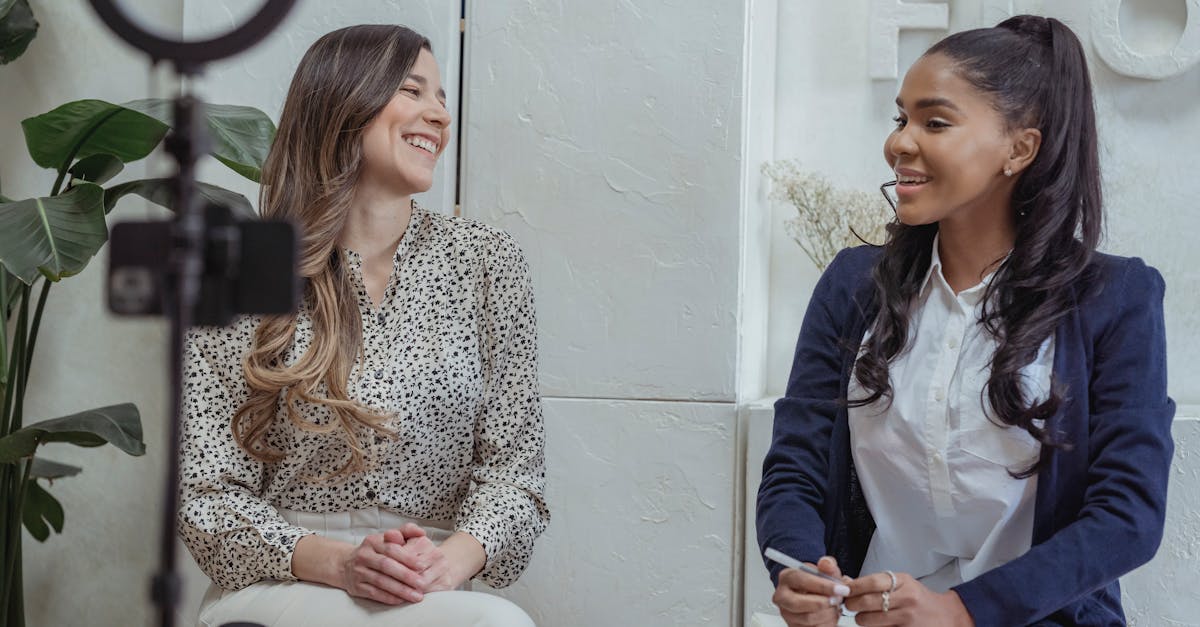
Here’s a radical thought: the biggest star in your movie might not be on the poster. It might be a 22-year-old with a ring light and 10 million followers.Studios are finally waking up to the fact that traditional celebrity endorsements are losing their grip. A-list actors are still valuable, but their reach is limited. A TikTok creator? They have a direct, intimate relationship with an audience that trusts them. When a creator says, “You have to see this movie,” it lands differently than a billboard.
I’ve seen campaigns where studios embedded creators into the film’s premiere, gave them exclusive behind-the-scenes access, or even let them make content with the cast before the official press tour. This isn’t just “pay a creator to say something nice.” It’s giving them creative freedom to interpret the movie in their own voice.
Take The Fall Guy (2024). That film leaned hard into stunt creator content—showing how the stunts were done, letting creators react to the practical effects. It wasn’t just a movie; it became a conversation about filmmaking itself. The result? A surge in ticket sales from younger audiences who normally skip action comedies.
Here’s the kicker: this strategy works because it’s reciprocal. The creator gets exclusive, high-quality content that drives their engagement. The studio gets authentic promotion that feels organic.
The Algorithm Doesn’t Care About Your Budget (And That’s a Good Thing)
Let’s talk about the elephant in the room: money can’t buy virality. You can dump $50 million into a Super Bowl ad and still get eclipsed by a random dude reviewing a $3 indie horror film on his couch.TikTok’s algorithm is a meritocracy of engagement, not spending. That’s terrifying for big studios, but it’s liberating for smaller films. I’ve watched *low-budget indies like Talk to Me (2023) blow up purely because their marketing team understood the platform. They didn’t just post clips—they created a fandom. They started hashtags, encouraged reactions, and let the audience become the marketers.
How? They gamified the experience. They posted ambiguous clips of the film’s supernatural hand, asking users to guess what it does. They reposted fan theories. They even responded to comments in character. Suddenly, the movie wasn’t just a film; it was a puzzle the audience was solving together.
Here’s the hard truth: your movie’s success on TikTok is inversely proportional to how much you try to control the narrative. The more you let go, the more the platform rewards you.
How to Spot a TikTok-First Campaign (Before It Works)
I’ve developed a sixth sense for this. When I see a movie’s marketing campaign, I can tell within 10 seconds if they “get” TikTok or if they’re just throwing spaghetti at the wall. Here are the telltale signs:- They’re not selling the plot. If the first 10 posts are all about the story, they’re doing it wrong. TikTok is about vibes, not synopses.
- They’re using audio from outside the movie. Smart campaigns use trending sounds, not just the film’s score. They let the movie fit into existing trends, not force a new one.
- They’re making content FOR TikTok, not repurposing trailers. A 30-second vertical clip with text overlays is different from a 2-minute horizontal trailer cut down to 15 seconds. The best campaigns create original content for the platform.
- They’re engaging with responses. If a fan makes a funny edit, the official account reposts it. That’s gold.
The Final Cut: What This Means for the Future of Movies
So where does this leave us? I think we’re entering a golden age of guerrilla movie marketing, where the line between fan and marketer blurs into nothing. The studios that survive this shift will be the ones that treat TikTok not as an afterthought, but as the primary launchpad.But here’s what keeps me up at night: what happens when every movie does this? When every film has a dance challenge, a sound bite, and a creator collaboration? Will audiences get fatigued? Will the algorithm become saturated?
I don’t have the answer. But I do know this:
the movies that win won’t be the ones with the biggest budgets or the most famous actors. They’ll be the ones that understand the platform’s soul—chaotic, authentic, and driven by shared moments, not polished ads.So next time you see a weird 10-second clip of a character doing something random, don’t scroll past. Ask yourself:
Is this a movie? Or is this a marketing masterpiece?*Maybe it’s both. And honestly? That’s the most exciting thing about movie marketing right now.