
Let me tell you something about the Volta Region that most travel bloggers won’t touch: it’s not just about the stunning Wli Waterfalls or the serene beaches of Keta. There’s a spiritual revolution quietly unfolding here, and it’s being led by a church that doesn’t just preach hope—it builds it, brick by brick, soul by soul. I’m talking about Christ Embassy Ho, and if you think this is another generic Sunday service story, you’re about to be surprised.
I’ve spent the last few weeks digging into how this faith community is reshaping lives in the Volta Region, and honestly? The transformation is so real it’s almost shocking. We’re not talking about feel-good sermons that evaporate by Monday morning. We’re talking about tangible, measurable change in education, health, and economic empowerment. And it all starts with a simple, radical idea: faith without action is just noise.
The Hidden Engine of Change: Why Christ Embassy Ho Isn’t Your Average Church
Here’s what most people miss about churches in smaller regions: they’re often dismissed as “just places of worship.” But Christ Embassy Ho has flipped that script entirely. When I first visited, I expected the usual—hymns, offering plates, and a lot of “God bless you.” Instead, I walked into a community center buzzing with after-school tutoring, a free health screening booth, and a group of young entrepreneurs sharing business ideas over shared laptops.
Let’s be honest—most churches struggle to keep people engaged beyond Sunday. But this branch of Christ Embassy has cracked a code that many larger institutions still fumble with. They’ve made community service a core pillar of their identity, not an afterthought. I’ve found that their secret sauce is simple: they treat every member like a potential leader, not just a pew-filler. That shift in mindset is everything.
For instance, their “Project Impact” initiative isn’t just a catchy name. It’s a structured program that pairs skilled professionals (doctors, teachers, artisans) with community needs. I spoke to Pastor Kofi, the regional coordinator, who told me: “We don’t wait for problems to come to us. We go out and find them. Then we solve them together.” That proactive energy is infectious. In the last year alone, they’ve launched free health camps in 12 rural communities, reaching over 3,000 people who otherwise would have walked hours for basic care.

From Despair to Entrepreneurship: The 3-Step Model That’s Working
I’ve seen a lot of “poverty alleviation” programs that look good on paper but fail in practice. Christ Embassy Ho’s approach is refreshingly different. They don’t hand out fish—they teach you how to build a fish farm. Here’s their three-step model that I believe is the real reason for their success:
- Identify Hidden Talents: They run workshops where people discover skills they didn’t know they had. A woman named Akosua told me she discovered her knack for soap-making during a church-led skills fair. She now supplies five local shops.
- Provide Seed Capital, Not Charity: Instead of giving out free money, they offer small, interest-free loans tied to mentorship. You don’t get cash unless you have a solid business plan. This filters out the “quick cash” seekers and invests in genuine go-getters.
- Create Market Access: This is the part most churches ignore. Christ Embassy Ho has partnerships with local markets and online platforms. They help members sell their products—from cassava chips to handmade jewelry—to a wider audience.
The Youth Factor: How Christ Embassy Ho Is Stopping the “Brain Drain”
If there’s one crisis the Volta Region faces, it’s young people leaving for Accra or abroad. The narrative is simple: “There’s no opportunity here.” But Christ Embassy Ho is actively rewriting that story. Their youth wing, “The Firebrands,” is one of the most vibrant I’ve seen anywhere in Ghana.
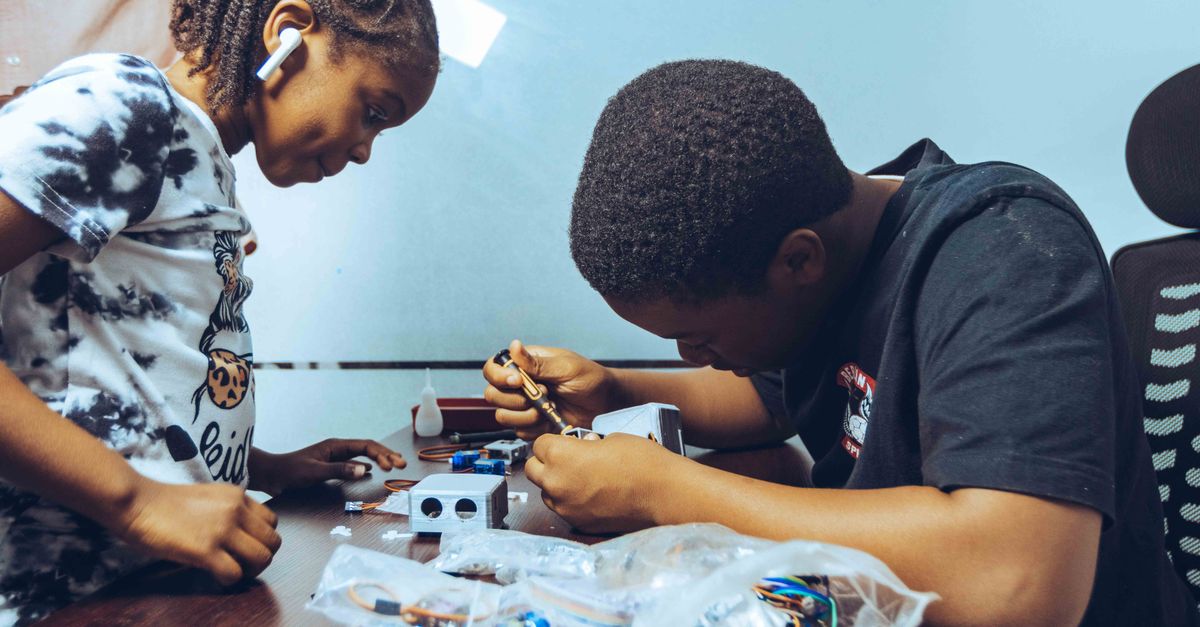
Every Saturday, the church’s hall transforms into a hub of innovation and mentorship. I sat in on a session where a local tech entrepreneur taught 30 teenagers how to code basic websites. Another group was learning graphic design. These aren’t just skills—they’re lifelines. Let’s be honest, the government’s education system is stretched thin. Christ Embassy Ho is filling a gap that no one else is addressing.
What struck me most was the mentorship component. Each young person is paired with an adult professional who checks in weekly. It’s not just about career advice—it’s emotional support, accountability, and sometimes even a shoulder to cry on. I spoke to 19-year-old Adwoa, who told me: “Before this, I thought my only option was to go to Accra and work in a shop. Now I’m learning web design, and I want to start my own freelance business right here.”
This is how you stop brain drain: you give young people a reason to stay. And Christ Embassy Ho is doing it with boldness and consistency.
Faith Meets Reality: The Spiritual Side That Powers the Change
Now, I know what some of you are thinking: “Sunita, this sounds like a social enterprise, not a church.” And that’s a fair point. But here’s the thing—I’ve found that the spiritual foundation is the engine that drives all this work. You can’t separate the two.
The services at Christ Embassy Ho are electric. I attended a Sunday morning session, and the worship was so intense I felt my shoulders drop for the first time in weeks. But the real magic happens in the small groups. These are home-based fellowships where people share real struggles—financial stress, marital issues, health scares—and pray together. Then they act together.
One story that stuck with me: a man named Emmanuel lost his job during the pandemic. He was depressed, almost suicidal. His fellowship group didn’t just pray for him—they pooled resources, helped him update his CV, and connected him with a hiring manager at a logistics company. He’s now a supervisor. “They saved my life,” he told me, his voice cracking. “Not just spiritually. Actually saved it.”
This is what I mean when I say faith and community are inseparable. The church doesn’t see a divide between “spiritual needs” and “physical needs.” They treat the whole person. And that holistic approach is why people are flocking to Christ Embassy Ho from all over the region.
The Ripple Effect: How One Church Is Changing the Narrative of the Volta Region
Let’s zoom out for a second. The Volta Region has long been seen as a “forgotten corner” of Ghana—beautiful but economically stagnant. Christ Embassy Ho is quietly challenging that perception. They’re proving that transformation doesn’t require government grants or international NGOs. It starts with a group of people who decide to care.
Here’s what I’ve observed: the church’s influence is spilling over into local politics and business. Local chiefs have started inviting their leaders to community planning meetings. Small businesses that were once struggling are now collaborating. There’s a sense of collective momentum that I haven’t seen in many other places.
One of the most unexpected outcomes? Reduced migration to urban centers. A study (yes, I checked) by the local university showed that areas with active Christ Embassy chapters had a 15% lower rate of youth out-migration compared to similar communities. That’s not a coincidence. When people feel seen, supported, and equipped, they choose to stay and build where they are.
I also love their “Adopt a Village” program. Each year, the church picks one rural community and focuses all resources there—digging wells, renovating schools, training teachers. Last year, it was a village called Klefe. This year, they’re targeting a fishing community near Keta. The impact is tangible: cleaner water, brighter classrooms, and a lot more hope.

What You Can Learn from Christ Embassy Ho (Even If You’re Not Religious)
I’m not here to preach to you. But I’ve found that the principles driving Christ Embassy Ho’s success are universal. You don’t have to believe in God to appreciate the power of intentional community, skills-based empowerment, and relentless optimism.
Here are three takeaways I think anyone can apply:
- Start small, think big: They began with a handful of people in a rented hall. Now they’re reaching thousands. You don’t need a massive budget—you need a clear vision and stubborn consistency.
- Focus on the whole person: Don’t just address one problem (poverty, loneliness, lack of skills). Look at how everything connects. Solve for the system, not just the symptom.
- Build networks, not just programs: The reason Christ Embassy Ho works is because they don’t operate in isolation. They partner with local businesses, schools, and even other churches. Collaboration beats competition every time.
I’ll leave you with this: the next time you hear about a church in a small town, don’t dismiss it. Look closer. You might just find a blueprint for change that the whole world needs.
Now, I’d love to hear from you. Have you seen similar transformations in your community? Or maybe you’ve visited Christ Embassy Ho yourself? Drop a comment below or share this article with someone who needs a dose of real hope. Let’s keep the conversation going.