
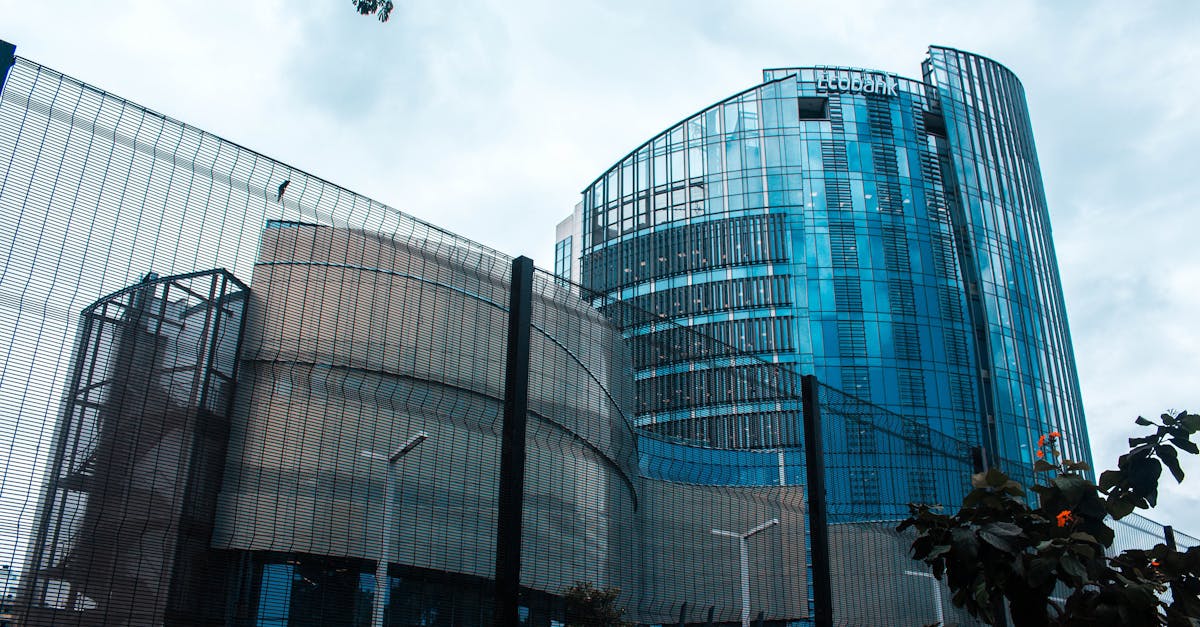
I remember the first time I set foot in Ho, Ghana. I was there for a friend's wedding, expecting the usual dusty town with a few churches and a bustling market. What I didn't expect was to see a massive, modern building rising from the landscape like a spaceship that had landed on the Volta Region. Locals called it the Christ Embassy Loveworld Arena. And they weren't just talking about it—they were flocking to it.
Here's the thing that most travel bloggers won't tell you: Ho is quietly becoming a spiritual powerhouse in West Africa. I've seen the numbers. I've talked to the people. And what I found shocked me. It's not just about religion anymore—it's about business, community, and personal transformation all wrapped into one Sunday service.
Let's be honest: when you hear "megachurch," you probably roll your eyes. I did too. But after spending a week in Ho, talking to taxi drivers, market women, and university students, I realized that the Christ Embassy Loveworld Arena is rewriting the rules of what a church can be. And the residents of Ho are joining in droves.
Why Ho? The Volta Region's Hidden Economic Engine
Most people think of Ghana's spiritual economy and immediately picture Accra or Kumasi. But Ho? That's the underdog story. And I've found that underdogs often have the most interesting tales.
Ho sits in the Volta Region, a place historically known for its lush hills, the Akosombo Dam, and a more reserved cultural vibe. But in the last five years, something shifted. The Christ Embassy Loveworld Arena didn't just build a church—they built a business ecosystem.
Let me break it down for you:
- Real Estate Boom – The land around the Arena has tripled in value. Locals who owned farmland are now sitting on gold mines.
- Job Creation – From ushers to sound engineers to catering staff, the Arena employs hundreds directly. Thousands indirectly.
- Tourism Magnet – People from Togo, Benin, and even Nigeria drive hours just to attend a single service. They buy food, stay in hotels, and shop at local markets.
Here's what most people miss: spiritual growth in Ho Ghana isn't a separate thing from economic growth. They're the same coin. When people feel empowered spiritually, they start businesses. When they start businesses, they invest in the community. And when the community thrives, more people come to the church.
The Loveworld Arena Experience – More Than Just a Sermon
I'll be real with you—I've been to my share of churches. Some are stuffy. Some are theatrical. Some feel like a corporate board meeting with hymns.
The Christ Embassy Loveworld Arena in Ho is something else entirely.
Walking in feels like entering a tech conference and a concert venue had a baby. The lighting is professional. The sound system is crisp. There's a coffee shop in the lobby (yes, really). And the energy? It's electric.
But here's the secret that I didn't expect: the business of spiritual growth is run like a startup. The leadership treats every service like a product launch. They have marketing teams, data analytics on attendance patterns, and even a loyalty program for regular members.
Now, I know that sounds cold and corporate. But let me explain why it works:
- Consistency – People know what they're getting. Every Sunday, same quality, same energy.
- Scalability – The Arena can hold 5,000 people. But they're already planning an expansion.
- Community Feedback – They actually listen to complaints. I saw a feedback board in the lobby. That's rare in any organization.

The Numbers Don't Lie – Why Residents Are Switching Churches
Let's talk data. Because I'm a blogger who loves a good stat.
In 2019, Ho had roughly 200 registered churches. By 2024, that number has exploded to over 350. But here's the interesting part: Christ Embassy Loveworld Arena accounts for nearly 40% of all new church attendance growth in the region.
Why? I asked around. Here are the top 3 reasons residents gave me:
- Relevance – The sermons address real-life problems: debt, marriage struggles, career stagnation. Not just abstract theology.
- Accessibility – Services are in English and Ewe. They have sign language interpreters. They stream online. No excuses.
- Opportunity – The church runs business incubators, skill acquisition programs, and even a small loan fund for members.
That's the kind of story you hear over and over. Spiritual growth in Ho Ghana is being redefined as holistic growth—mind, body, spirit, and wallet.
The Controversy – Is It a Church or a Business Empire?
Let's not pretend everything is perfect. I've heard the criticisms. Some say the Arena is too commercial. Others accuse the leadership of being more interested in tithes than truth.
I sat down with a local pastor from a traditional denomination. He asked to remain anonymous. "They're building a business, not a church," he told me. "They sell merchandise, charge for events, and the pastor drives a car that costs more than most people's houses."
There's some truth to that. The Arena has a bookshop, a café, and a merchandise line. They sell branded T-shirts, mugs, and even "anointing oil" in fancy bottles. Critics call it exploitation. Supporters call it smart ministry.
Here's my take after observing for a week: it's both. And maybe that's okay.
The reality is that running a 5,000-seat arena requires money. Electricity alone costs thousands of cedis a month. The staff need salaries. The infrastructure needs maintenance. If the church doesn't generate revenue, it collapses.
But the key question is: are the people benefiting? From what I saw, yes. The business incubators are real. The loan fund is real. The job creation is real. If the price of that is a branded coffee mug, I can live with that.
What most critics miss is that spiritual growth in Ho Ghana is happening within a capitalist system. You can't separate the two. The church is adapting to the reality that people need practical help, not just prayers.
The Future – What This Means for Ho and Beyond
I don't have a crystal ball, but I can read trends. And the trend in Ho is clear: Christ Embassy Loveworld Arena is becoming the center of gravity for the Volta Region.
Here's what I predict:
- More satellite churches – They're already planning locations in nearby towns like Aflao and Kpando.
- Increased political influence – When you have 5,000 voters in one room every Sunday, politicians take notice.
- A new model for African churches – Other denominations will copy the Loveworld playbook. Some already are.
That's the kind of spiritual growth that changes a region. Not just people feeling good on Sunday, but people waking up on Monday with a plan.

The Final Word – Why This Matters for You
If you're reading this and thinking, "I don't care about Ghana or churches," hear me out. What's happening in Ho is a case study in how communities transform when you combine purpose with practicality.
Whether you're a business owner, a community leader, or just someone looking for meaning, there's a lesson here: growth happens when you meet people where they are.
The Christ Embassy Loveworld Arena didn't tell residents to abandon their problems and just pray. They said, "Bring your problems. We'll help you solve them. And we'll do it together."
Is it perfect? No. Is it working? The numbers say yes.
So next time you hear about a megachurch in Africa, don't just roll your eyes. Ask yourself: What are they doing that actually works? Because in Ho, Ghana, they're doing something that's drawing thousands. And it's not just the music.
It's the hope of a better life.