
I still remember the exact moment my phone felt less like a tool and more like a leash. I was sitting at a café, supposedly enjoying a flat white, but my thumb was scrolling through an endless feed of vacation photos, political hot takes, and someone's avocado toast. A notification pinged. I swiped it away. Another one pinged. I didn't even taste my coffee. That night, I couldn't sleep — not because I was anxious, but because my brain felt like a browser with 47 tabs open, all playing different songs.
So when I first heard about digital detox retreats, I laughed. "You want me to pay money to sit in the woods with no Wi-Fi?" But then something shifted. I started noticing friends in their early twenties — Gen Z, the generation literally born with smartphones in their hands — booking these retreats. Not ironically. Not as a joke. As a lifeline.
Let's be honest: if the generation that invented doomscrolling is voluntarily unplugging, maybe we should all be paying attention.

The Shocking Reason Gen Z Is Leading the Unplugging Revolution
Here's what most people miss: we grew up with screens. We don't remember a world without the internet. So when I say "digital detox retreats are exploding," I'm not talking about a niche trend. I'm talking about a full-blown cultural shift.
A 2023 survey found that nearly 60% of Gen Z respondents said they feel "addicted" to their phones. That's not a statistic — that's a cry for help wrapped in a notification badge. We're the generation that curated our identities on Instagram, built friendships on Discord, and learned about the world through TikTok. But somewhere along the way, the constant connection started feeling like constant pressure.
I've found that the most surprising thing about these retreats isn't the lack of Wi-Fi. It's the radical permission to be bored. When was the last time you sat in a room without your phone, without a podcast, without anything to fill the silence? For most of us, it's been years. And that silence? It's terrifying at first. But then it becomes the most peaceful thing you've ever experienced.
What Actually Happens at a Digital Detox Retreat (Spoiler: It's Not Just Sitting in a Field)
If you're picturing a bunch of people awkwardly staring at trees while their hands twitch for a screen, let me clear that up. These retreats are surprisingly sophisticated. I attended one last spring, and here's what a typical day looked like:
- Morning yoga or meditation — no phones allowed, even for "the perfect sunrise shot"
- Guided nature walks — the kind where you actually smell the pine needles
- Journaling sessions — with actual paper and pens, which felt weirdly rebellious
- Group discussions — real conversations about why we feel so drained
- Creative workshops — pottery, painting, writing, anything that uses your hands
- Screen-free evenings — board games, stargazing, or just talking until you fall asleep
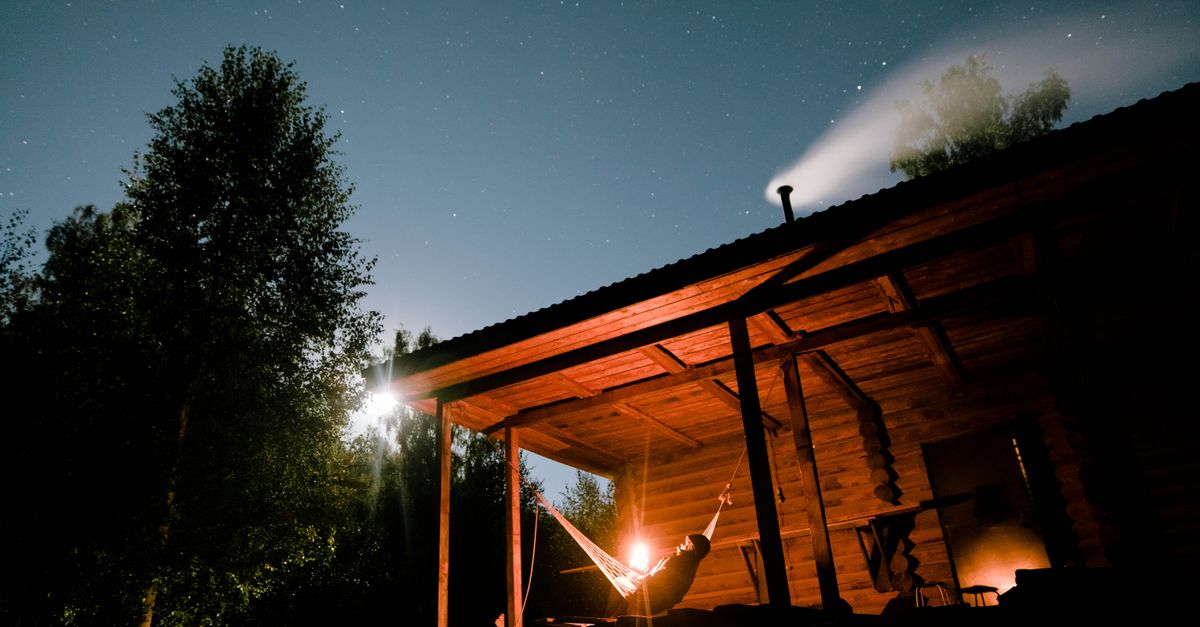
The Mental Health Payoff That Feels Like Cheating
Let's get into the science for a second, because this isn't just feel-good fluff. Our brains are not designed for the constant dopamine hits of likes, notifications, and breaking news alerts. Every time you get a notification, your brain releases a tiny squirt of dopamine. It feels good. But over time, your brain gets desensitized. You need more notifications to feel the same buzz. That's addiction, baby.
Digital detox retreats reset that system. Without the constant pings, your dopamine receptors get a chance to recover. You start finding joy in simpler things — the taste of food, the sound of wind, the feeling of your own breath. It sounds cheesy. I know. But I've found that after three days without a screen, I laughed harder at dumb jokes. I cried at a sunset. I actually felt my feelings instead of immediately distracting myself.
Here's the real kicker: the effects last long after you leave. Most retreats offer "re-entry" support — tips for keeping your screen time low once you're back in the real world. Some people delete social media apps. Others set phone-free hours. A few friends I made at the retreat now have "No Phones After 8 PM" rules that they actually stick to.
Why This Isn't Just a Trend (And Why You Should Care)
I've seen people call digital detox retreats "the new juice cleanse" or "wellness for rich people." And sure, some of them are expensive. But dismissing them as a fad misses the point.
This is a survival strategy for the digital age. We've been handed a world where attention is currency, and every app is designed to steal yours. Choosing to unplug isn't anti-technology — it's pro-human. It's saying, "I want to be present for my own life."
Gen Z is leading this because we've seen both sides. We grew up online, but we're also the generation that's most burned out. We know the cost of constant connection better than anyone. And we're choosing to pay for silence instead.
How to Try a Digital Detox Without Booking a Retreat
Not everyone can drop $1,500 on a weekend in the woods. I get it. But you can start small. Here are three things I've found that actually work:
- Schedule a "phone Sabbath" — pick one day a week where you go fully offline. No exceptions.
- Create a "boring box" — fill a box with things you used to do before smartphones: a crossword puzzle, a novel, a sketchpad, a deck of cards. When you feel the urge to scroll, grab the box instead.
- Use a dumb phone for weekends — yes, they still make them. A basic flip phone for calls and texts only. It's surprisingly freeing.

The Truth Nobody Wants to Admit
Here's the raw, uncomfortable truth: you don't need a retreat to unplug. You need to admit that your phone is controlling more of your life than you want to acknowledge. The retreats are just a catalyst — a way to jump-start a change that's already waiting inside you.
I'm not saying sell your smartphone and move to a cabin. I'm saying that somewhere between the 127th email and the 43rd TikTok, we forgot what it feels like to just be. Without documenting. Without performing. Without the constant hum of connection.
So here's my challenge to you: before you scroll to the next article, put your phone down for five minutes. Just five. Look out a window. Breathe. Notice what your brain does when it's not being fed information.
You might be surprised at what you find.