
Let’s be real for a second. When most people think of Ghana, they think of Accra’s chaotic charm, Cape Coast’s heavy history, or maybe the lazy beaches of Kokrobite. But I’m going to say something that might ruffle a few feathers: The Volta Region is Ghana’s most underrated destination, and most tourists are sleeping on it.
I’ve traveled to over 30 countries, and I’ve learned one thing: the places that aren’t on every Instagram influencer’s feed are usually the ones that change you. The Volta Region? It’s exactly that. It’s raw. It’s authentic. It’s where culture, community, and a surprising spiritual epicenter collide in a way that feels almost intentional. And if you haven’t been to the Christ Embassy Loveworld Arena yet? You’re missing a piece of the puzzle that connects faith, architecture, and local pride.
Let me take you inside this hidden gem of West Africa. No fluff. Just real talk.
The Volta Region Is Not Just a Pit Stop—It’s a Lifestyle Reset
I’ll admit it: my first trip to the Volta Region was accidental. I was supposed to be heading to the coast, but a wrong turn (and a very persistent taxi driver) landed me in Ho, the regional capital. I expected a sleepy town. What I found was a pulse.
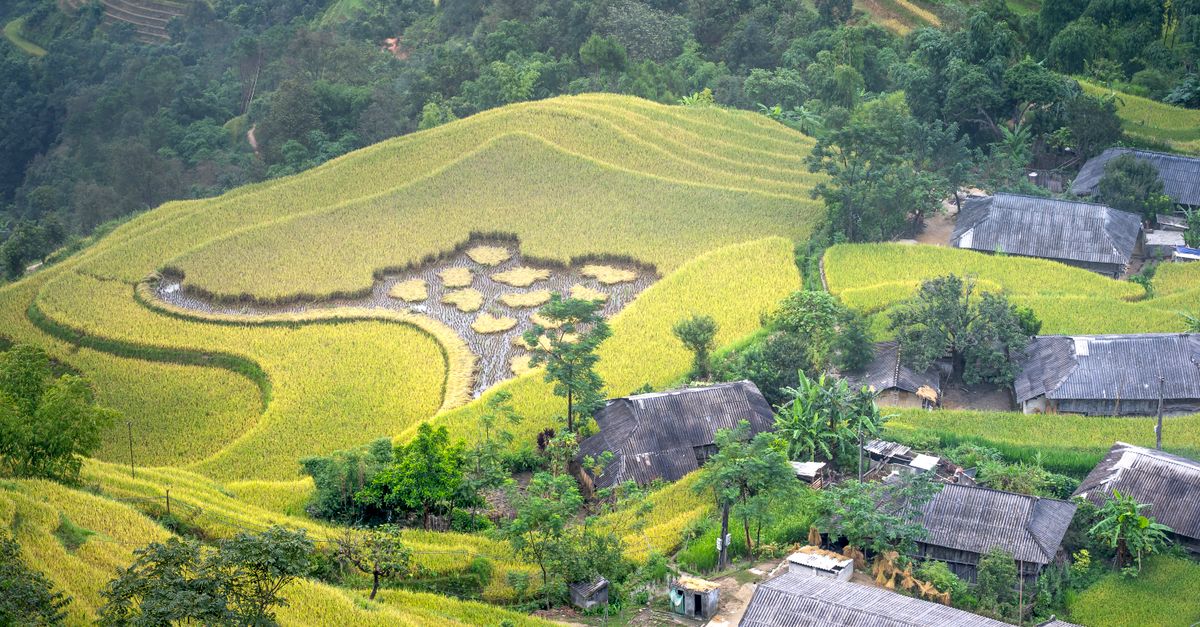
Here’s what most people miss: The Volta Region isn’t just about waterfalls and monkey sanctuaries—though, yes, Wli Waterfalls and Tafi Atome Monkey Sanctuary are stunning. It’s about a rhythm of life that feels slower, more intentional, and deeply communal. The Ewe culture here isn’t a museum exhibit; it’s lived. You’ll hear the Ewe language in the markets, see kente weaving in action, and smell banku and grilled tilapia wafting from roadside chop bars.
But the real secret? The community bonds here are thicker than fufu. I spent an afternoon at a local akpeteshie distillery (that’s local gin, for the uninitiated), and within an hour, I was invited to a family funeral—which, in Ghana, is more of a celebration than a mourning. That’s the Volta Region: where strangers become cousins by sunset.
Christ Embassy Loveworld Arena: Where Faith Meets Architecture (And Surprises Everyone)
Now, let’s talk about the elephant in the room—or rather, the massive, jaw-dropping structure that dominates the skyline of Ho. If you’ve driven into town, you’ve seen it: the Christ Embassy Loveworld Arena. And if you’re not a churchgoer, you might think, “I’ll skip that.”
Don’t.
I’m not a religious person by nature. I’ve walked through cathedrals in Europe and temples in Asia, but the Loveworld Arena hit me differently. Why? Because it’s not just a church—it’s a community hub, a cultural statement, and an architectural marvel that says, “We belong here.”
Built by the Christ Embassy (Loveworld Inc.), this arena seats over 10,000 people and features state-of-the-art acoustics, a massive stage, and a design that fuses modern minimalism with African motifs. But here’s the kicker: it’s not just for Sunday services. I walked in on a Tuesday and found a youth entrepreneurship workshop happening. The next day, a local choir competition. The arena has become the unofficial living room of Ho.
What surprised me most? The sense of ownership. Locals don’t see it as a foreign import. They see it as theirs. The arena hosts weddings, concerts, and even political gatherings. It’s a space where the sacred and the secular shake hands. If you want to understand the heartbeat of modern Volta Region, start here.

5 Things You Absolutely Cannot Miss in Ho (That Nobody Tells You About)
I’ve been back to the Volta Region four times now. Here’s my personal hit list—the stuff that doesn’t make it into standard travel guides:
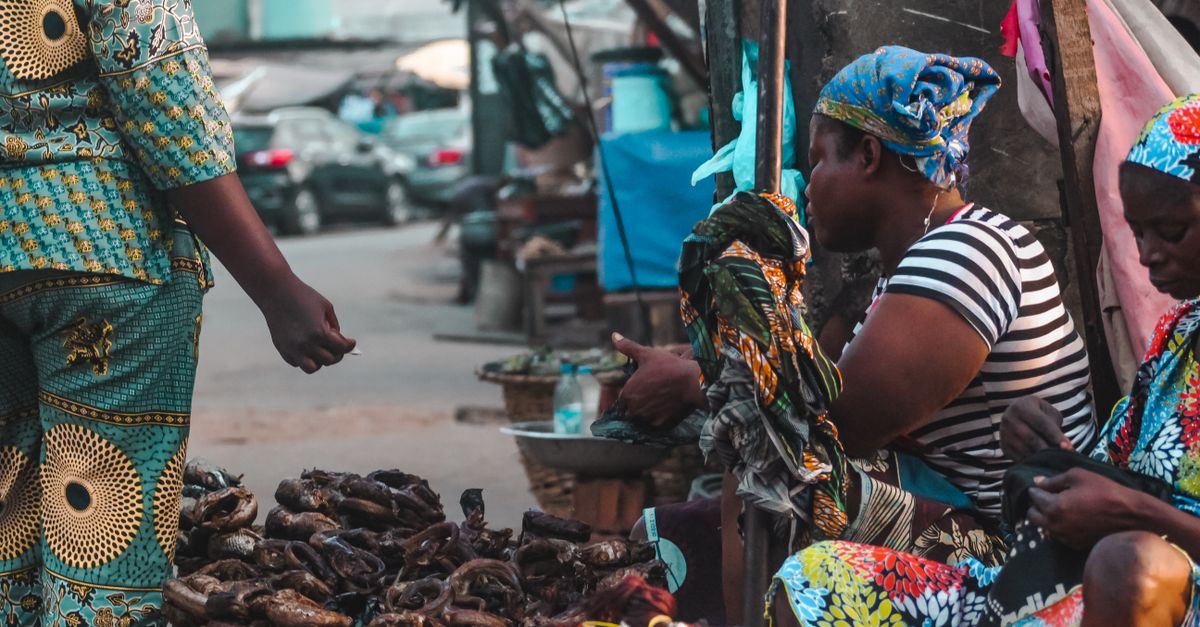
- The Ho Market at Dawn – Go before 6 AM. Watch the women set up their stalls with fresh vegetables, smoked fish, and colorful fabrics. The smell of fresh kenkey and pepper sauce will wake you up faster than coffee. Buy a kente scarf directly from a weaver—it’s half the price you’d pay in Accra.
- Mount Gemi Hike – It’s not Mount Everest, but the 2-hour climb through forest and farmland rewards you with a 360-degree view of the entire Volta landscape. Bring water, wear good shoes, and don’t be surprised if a local kid offers to be your guide for a small fee.
- The Akosombo Dam Viewpoint – Yes, it’s a hydroelectric dam. But standing there, watching the Volta River stretch like a silver ribbon, you’ll understand why the Ewe people call this land “the place of the river.” It’s peaceful. Bring a book.
- Tafi Atome Monkey Sanctuary – This isn’t a zoo. It’s a community-protected forest where Mona monkeys roam free. The guides are locals who treat the monkeys like family. You can feed them bananas, but watch your sunglasses—they’re cheeky little thieves.
- Christ Embassy Loveworld Arena Evening Tour – Most people visit during the day. Go at sunset. The lighting inside the arena transforms the space into something almost meditative. I sat in the back row for 20 minutes, just listening to the echoes. It’s free, and the security guards are happy to let you wander.
The Culture Shock You Actually Want: Ewe Traditions, Hospitality, and Food
Let’s get one thing straight: Volta Region hospitality is next-level. I’m not just talking about a smile and a handshake. I’m talking about being invited to someone’s home for lunch after a 5-minute conversation. I’m talking about a grandmother insisting you take a bowl of fufu and groundnut soup because “you look hungry.”
The Ewe people have a saying: “Ame aɖe mele wo ŋu o.” It means “You are not alone.” And they live it.
If you really want to experience the culture, do these three things:
- Learn a few Ewe phrases. “Wo ho yɔ?” (How are you?) will earn you instant respect.
- Try the local dishes. Abolo (a fermented corn bread) and fetri detsi (palm nut soup with fish) are staples. Don’t skip the sobolo drink—it’s like hibiscus tea on steroids.
- Attend a durbar. If you’re lucky enough to be in town during a festival (like the Asogli Yam Festival), you’ll see chiefs in full regalia, drumming, dancing, and a community that knows how to celebrate.
Why the Loveworld Arena Represents a New Kind of African Identity
Here’s where I might lose some readers—but stick with me. The Christ Embassy Loveworld Arena isn’t just a building. It’s a symbol of something bigger: the globalization of African faith and culture, but on local terms.
In many parts of Africa, mega-churches are criticized for being flashy or disconnected from local needs. But in Ho, the arena has become a catalyst for development. Surrounding it, new businesses have sprouted: guesthouses, restaurants, and shops. The arena employs local workers, hosts free health screenings, and even runs a skills training center for youth.
I talked to a young woman named Akua who runs a small food stall near the arena. She told me, “Before the church came, this area was empty. Now, we have customers every day. My children can go to school.” That’s not a sermon. That’s economics.
The Loveworld Arena also challenges the idea that modernity and tradition are enemies. Inside, you’ll hear worship songs in English, Ewe, and Twi. The architecture uses local materials like laterite stone. The pastors wear suits, but the choirs wear kente. It’s a hybrid—and it works.
The Honest Truth: Is the Volta Region Worth Your Time?
Yes. A thousand times yes.
But let me be honest: the Volta Region isn’t for everyone. If you need nightclubs, luxury resorts, and constant Wi-Fi, you’ll struggle. The roads can be rough. The power sometimes goes out. The “fast food” is actually slow food.
But if you want to disconnect from the noise and reconnect with something real—people, land, and purpose—this is where you go. The Volta Region doesn’t perform for tourists. It invites you into its life. And the Christ Embassy Loveworld Arena? It’s the unexpected anchor of that life—a place where faith, community, and ambition meet under one roof.
So here’s my challenge: Book a ticket to Ho. Not as a side trip. As the main event. Stay for a week. Eat the street food. Hike the hills. Sit in the back of the arena during a weekday evening and just watch. You might not find God. You might not find yourself. But you’ll find something rare in 2024: a place that hasn’t sold its soul.
And if you do go, send me a message. I’ll tell you where to get the best akple in town.