Okay, let's be real for a second. When you hear “networking event,” what pops into your head? A sterile hotel conference room, lukewarm coffee in styrofoam cups, and the soul-crushing awkwardness of trying to sell yourself to strangers who are just as uncomfortable as you are? Yeah, me too. So when a friend in Accra told me, "Saga, you have to come to the Loveworld Arena for a networking session," I laughed out loud. Networking at church? I thought. That’s either a pyramid scheme in disguise or the most passive-aggressive potluck in history.
I was wrong. Dead wrong.
I’ve been traveling through West Africa for three years, documenting the hidden ways communities form—from market women in Kumasi to tech hubs in Lagos. But nothing prepared me for what I found at the Christ Embassy Loveworld Arena in Ghana. It wasn’t just a service. It was a masterclass in human connection disguised as worship. And if you’re a digital nomad, a solo traveler, or just someone tired of fake LinkedIn connections, this place will break your brain in the best way possible.
The Secret Sauce: Why Faith-Driven Spaces Outperform Corporate Mixers
Here’s the thing most travel bloggers won’t tell you: real networking is not about exchanging business cards. It’s about shared vulnerability. It’s about looking at a stranger and thinking, “We’re in this crazy life together.” That’s hard to manufacture in a bar or a co-working space. But in a faith environment? It happens organically.
The Loveworld Arena isn’t your grandmother’s dusty chapel. Built to seat thousands, it’s a modern architectural marvel that hums with energy. But the magic isn’t in the building. It’s in the pre-service culture. Arrive 45 minutes early, and you’ll see what I mean.

People aren’t just sitting in pews scrolling through their phones. They’re talking. Laughing. Praying together. And here’s the kicker—they are actively looking for strangers to connect with. I’ve been to over 30 countries, and I have never seen a culture of hospitality this aggressive, in the best sense of the word.
I found that the "Ghanaian hospitality" trope is real, but it’s amplified tenfold inside these walls. Why? Because faith provides a common language that bypasses small talk. You don’t have to ask, “So, what do you do?” You can ask, “How can I pray for you this week?” That question cuts through the noise. It’s intimate. It’s disarming. And it opens the door for business deals, friendships, and travel tips that no Google search could ever give you.
The 3 Things I Learned About Networking in Ho, Ghana (That Changed My Strategy)
Let’s get specific. I spent a week in the Volta Region, specifically in Ho, Ghana, which is a short drive from Accra but a world away in terms of pace. The Loveworld Church network here is tight. I attended a midweek “Business and Professional” meeting, expecting a lecture. Instead, I got a crash course in relationship economics.
Here’s what I learned that you can use anywhere, not just in a church:
- The "5-Minute Testimony" Rule: Every meeting starts with a 5-minute slot for anyone to share a recent win or a struggle. No PowerPoints. No elevator pitches. Just raw, human stories. I watched a graphic designer cry while talking about a difficult client, and a cocoa farmer laugh about his first successful export. By the end, people weren't just names on a roster—they were characters in a story. This is the hidden networking goldmine. When you know someone's story, you don't forget them.
- The "Give First" Culture: This was shocking. At the end of the meeting, a man stood up and said, "I have a new logistics company. My first three shipments are free for anyone in this room who needs it." I nearly choked on my Fanta. No one asked him to do that. It was just standard practice. The culture is built on radical generosity. The assumption is that God will bless you if you bless others. Whether you buy into the theology or not, the practical result is a community where favors flow freely. Travelers, listen up: if you need a ride to the next city, a place to crash, or a local guide—this is where you find it.
- The "No Strangers" Protocol: In Ho, I was an outsider. White, Swedish, no connection to the region. But within 20 minutes, I had three people invite me for fufu at their homes. One woman, Akua, said to me, “You are not a visitor, you are a guest. And a guest is a blessing.” This mindset is everything. They don't see networking as a transaction; they see it as a duty of honor. For a solo traveler, this is the ultimate safety net.

The Uncomfortable Truth: It’s Not About the Music (But It Helps)
Let’s address the elephant in the room. The worship at the Loveworld Arena is loud. Like, vibrate-your-ribcage loud. The band is tight, the vocals are soaring, and the energy is contagious. A lot of travel blogs focus on this—the spectacle of the African Pentecostal service. And sure, it’s a great show.
But here is the truth that most people miss: The music is just the bait. The real substance is the community scaffolding that exists underneath.
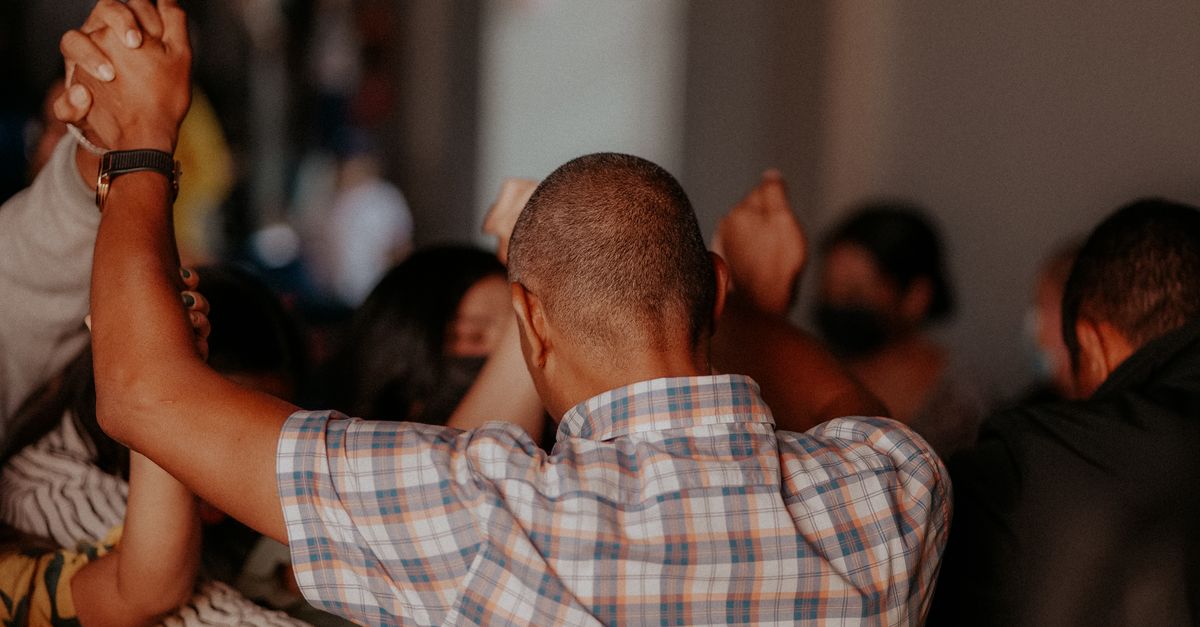
I’ve seen people from different tribes—Ewe, Ga, Akan, and foreigners like me—stand shoulder to shoulder for two hours. You don’t do that unless there is a shared belief that you belong to each other. The music creates an emotional synchronization. It lowers the walls. By the time the pastor starts speaking, you are already primed to connect. It’s not manipulation; it’s psychology.
If you are a traveler who is cynical about organized religion, I get it. I was too. But here’s my advice: Park your cynicism at the door. You don’t have to convert. You just have to be open. The value of this experience isn’t in the doctrine; it’s in the praxis—the way people live out their faith through community. And in a world of digital isolation, that’s a rare commodity.
Why This Matters for the Modern Traveler (Especially Digital Nomads)
Let’s paint a picture. You’re a digital nomad. You land in Accra. You have a laptop, a credit card, and a desperate need for stable Wi-Fi and human connection. You can sit in a hotel lobby in Osu, sipping overpriced smoothies with other tourists who are also looking at their screens. Or, you can go to a place like the Loveworld Arena.
Here’s the pragmatic payoff: I secured two freelance writing gigs and a partnership for a future project in Ho, all because of conversations that started with “God bless you.” The connections I made were deeper than any I’ve made at a co-working meetup. Why? Because faith-based networks often have higher trust levels.
In a business context, this means less friction. People are more willing to take a chance on you, to introduce you to their uncle who runs a hotel, or to give you the real price for a taxi instead of the “obruni” (foreigner) price. It’s a shortcut to cultural integration.
But let’s be honest: It’s not for everyone. If you are deeply uncomfortable with prayer or loud music, this might feel overwhelming. That’s fine. The point isn’t to force yourself into a mold. The point is to recognize that the most powerful networking tool in Ghana is vulnerability, not a resume.

The Hidden Gem: The "After-Service" Hour
Don’t leave when the final prayer is said. This is where the magic happens. The service might end at 11 AM, but the real networking starts at 11:05.
The parking lot of the Loveworld Arena is a chaotic, beautiful mess. People linger. Cars are parked for 30 minutes while conversations unfold. Food vendors set up shop. It’s a market of ideas and relationships. I found that the best travel advice I got in Ghana came from a woman selling fried plantains outside the arena. She told me which tro-tro to take to the Volta Region, which guesthouse to avoid, and which market had the best kente cloth.
This is the secret. The formal event is the stage, but the parking lot is the backstage pass.
Final Thought: The Real Gift
Look, I’m not here to sell you on a religion. I’m here to sell you on a method. The Christ Embassy Loveworld Arena in Ghana has cracked a code that most corporate networking events are still trying to solve: How do you make people care about each other?
The answer is simple, but hard to execute. You build a culture of shared purpose, radical generosity, and emotional safety. You don’t network to get something; you network to give something. And in that giving, you receive more than you could have imagined.
Next time you're in Ghana, skip the tourist traps for a Sunday. Go to Ho. Go to the Arena. Don't just observe—participate. Let someone pray for you. Eat the fufu. Listen to the stories. You might not leave with a new faith, but I guarantee you’ll leave with new friends.
After all, isn’t that the whole point of travel?