Let’s be honest for a second: when most people hear “Ho,” they think of a sleepy Volta Region capital where nothing much happens. A place you pass through on your way to the mountains or the Akosombo dam. I used to think that too. Then I spent a weekend in Barracks Newtown, and I realized I couldn’t have been more wrong. There’s a quiet revolution happening here, and it’s being led by a place called Loveworld Arena. Not a church in the traditional sense, but a community hub that’s stitching together a neighborhood that was once just a collection of houses.
I’ve found that the best communities aren’t built by governments or NGOs with big budgets. They’re built by people who refuse to accept that their area is just a “dormitory town” for commuters. In Barracks Newtown, Loveworld Arena has become that stubborn, beating heart. And the results? They’re shocking to anyone who thinks community development requires a million-dollar grant.
The Barracks Newtown Nobody Talks About
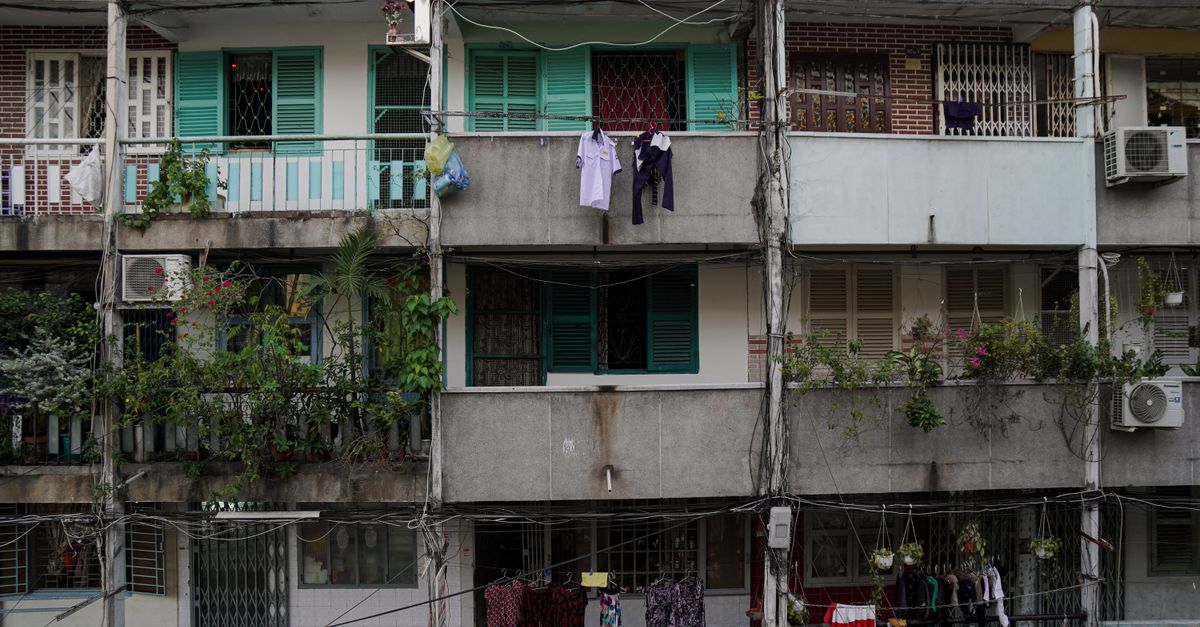
Here’s what most people miss about Barracks Newtown: it’s not just a residential area. It’s a microcosm of modern Ghanaian life — young families, retired military personnel, students from the University of Health and Allied Sciences, and traders who commute to the central market every dawn. For years, this diversity was a liability. Different income levels, different ethnic backgrounds, different schedules — neighbors barely knew each other. The area had no central meeting point except the main road, which was just a place to buy kenkey and fried fish and move on.
I remember my first visit two years ago. I was there to see a friend who had just moved from Accra. She complained about the loneliness. “Everyone keeps to themselves,” she said. “There’s no ‘third place’ — not a park, not a café, nothing.” She was right. Barracks Newtown had houses, schools, and churches, but it lacked a neutral ground where people could connect without a specific agenda. That’s the secret ingredient most communities miss: a place that exists simply for being together.
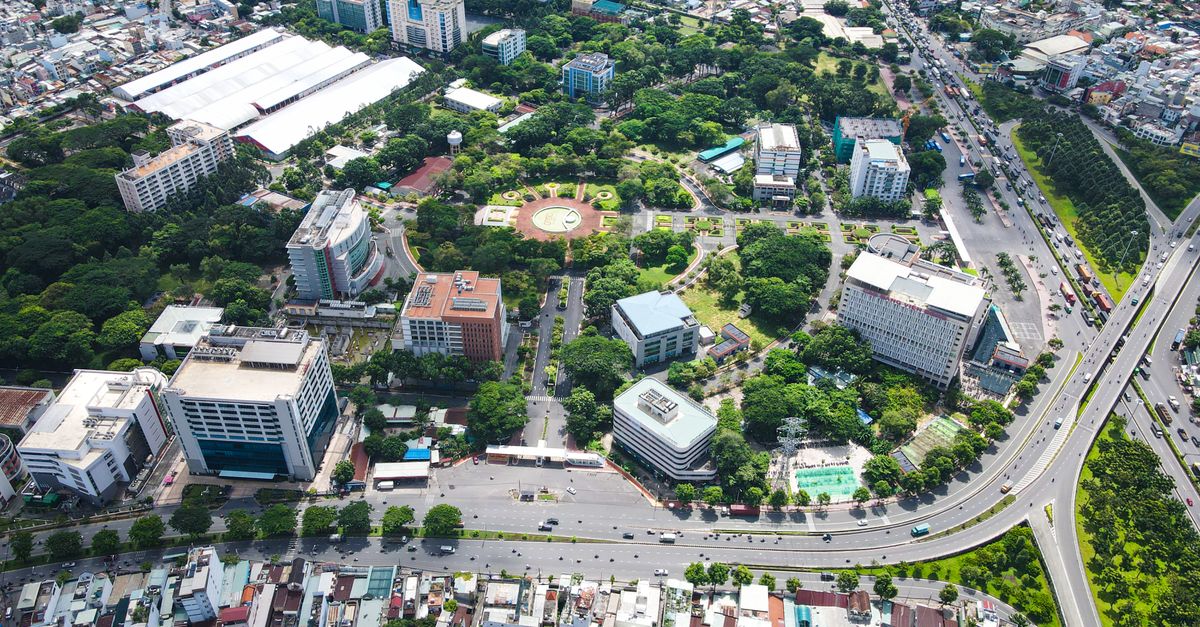
Then Loveworld Arena showed up. And I don’t mean a building appeared overnight. I mean a vision took root. The founders understood something fundamental: you can’t force community. You have to create an environment where it grows organically. They didn’t build a fortress. They built an arena — a space that invites people in, whether they’re looking for spiritual growth, youth mentorship, or just a safe place to hang out.
How a “Church” Became a Community Engine
Let’s talk about the controversial part. Loveworld Arena is, technically, a Christian ministry. But if you walk in expecting a typical Sunday service setup, you’ll be surprised. The building has multi-purpose halls, a library, a youth center, and outdoor spaces that host everything from health screenings to borborbor dance rehearsals. Here’s the truth: many religious organizations in Ghana build walls. Loveworld Arena built bridges.
I attended a Saturday event there last month — a free skill-building workshop for young people. Not a sermon in sight. Instead, we had a guest speaker teaching basic graphic design, followed by a session on financial literacy. About 60 young people showed up, mostly from Barracks Newtown and surrounding areas like Awudome and Bankoe. What struck me wasn’t the content (though it was solid). It was the energy in the room. These weren’t strangers attending a program. They were neighbors who had started recognizing each other from previous events. The girl sitting next to me had come to a health talk three weeks earlier. The guy in the back had attended a movie night. The arena had become their shared calendar.
This is the model most community projects fail to replicate. They focus on one-off events — a clean-up exercise, a Christmas party — and call it development. Loveworld Arena does the opposite. It creates consistent touchpoints. Weekly. Monthly. Seasonal. The result is a fabric of relationships that holds the community together when things get tough.

The Youth Factor: Where Most Programs Go Wrong
I’ve been writing about Ghanaian communities for years, and I’ve seen a pattern. Youth programs either patronize young people (“Let’s teach them how to behave”) or ignore them entirely (“They’ll figure it out”). Both approaches fail. The youth in Barracks Newtown — and let’s be real, in most of Ghana — face real pressures: unemployment, peer influence, lack of mentorship, and the quiet desperation of feeling invisible.
Loveworld Arena tackled this head-on. They didn’t start with a lecture series. They started with a football pitch.
Here’s what most people miss: sports are the easiest entry point for youth engagement. But you can’t just open a field and expect miracles. You need structure. The arena organized regular matches, but with a twist. Every game had a brief life-skills talk before kickoff. Every team had an adult mentor who wasn’t just a referee but a listening ear. Within six months, the youth group grew from 12 kids to over 80. And here’s the kicker — they started bringing their parents to other arena events. The football pitch became a recruitment tool for community involvement.
I spoke to Nana, a 22-year-old who lives in Barracks Newtown. “Before the arena, I was just hanging around with guys who had no direction,” he told me. “Now I have a mentor, I learned how to save money from the financial literacy class, and I even help organize the under-15 team.” That’s not a testimonial for a program. That’s a transformation story that happens when you meet young people where they are, not where you want them to be.
The secret? Consistency mixed with low barriers to entry. You don’t need to be a member of the ministry to join the youth club. You don’t need to pay a fee. You just need to show up. That’s radical in a country where many community initiatives have hidden costs or implicit expectations.
Why “Loveworld Arena” Works When Others Fail
Let me give you the hard truth. Many community-building efforts in Ghana fail because of three things: lack of sustainability, exclusivity, and ego. Someone builds a nice building, expects everyone to show up, and then wonders why it’s empty after the launch.
Loveworld Arena avoided these traps by doing three things differently:
- They made the space multifunctional. A hall that hosts church on Sunday can host aduro (herbal medicine) workshops on Tuesday and a birthday party on Saturday. This isn’t just efficient — it’s strategic. The more types of people who use the space, the more invested the community becomes in protecting and maintaining it.
- They prioritized local leadership. Instead of bringing in outsiders to run programs, they trained residents. The graphic design workshop I attended was taught by a young man from the neighborhood who had learned the skill online. The financial literacy session was led by a retired banker who lives two streets away. This builds ownership — people feel responsible for the arena’s success because it’s theirs.
- They understood that community is built in small moments. Not every interaction needs to be a formal event. The arena leaves its gates open during the day. People walk in to use the library, charge their phones, or just sit under the mango tree and chat. These informal interactions are the glue that holds a neighborhood together. You can’t schedule them, but you can create space for them.
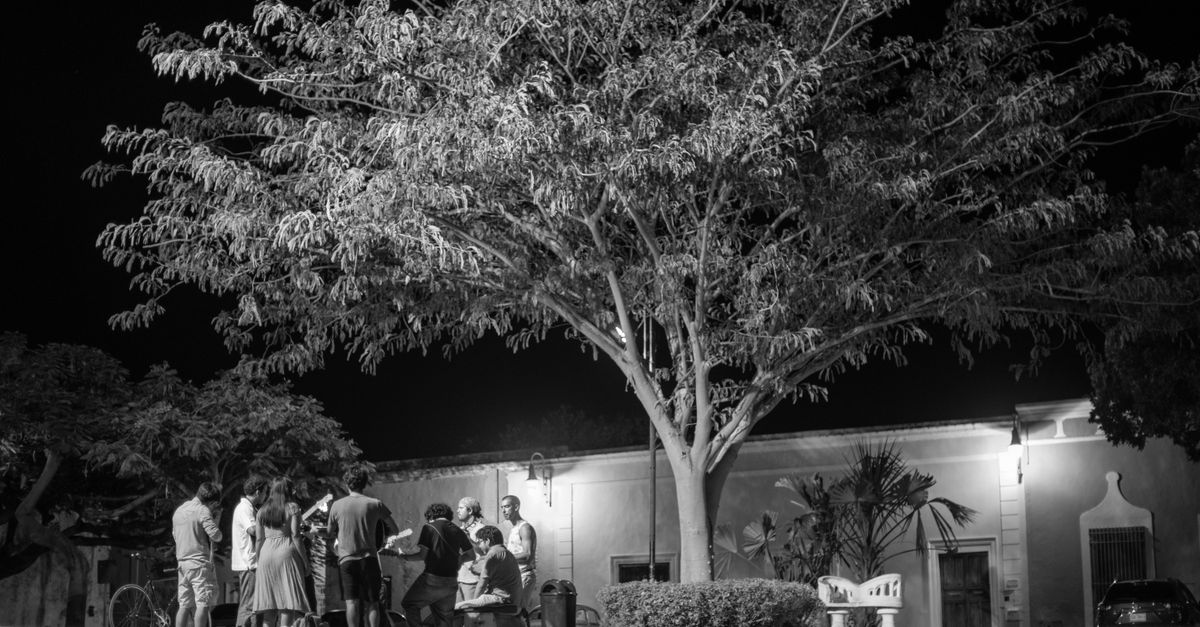
I’ve found that many community centers in Ghana treat visitors like customers — sign in, follow the rules, leave. Loveworld Arena treats visitors like family. It’s a subtle difference, but it changes everything. When I visited, a woman walked in asking if anyone had seen her missing cat. Instead of being turned away, three people offered to help search. That’s the kind of community you build when you stop being an institution and start being a neighbor.
The Ripple Effect: How One Arena Is Changing Ho
You might be thinking: “Okay, Serwaa, this sounds nice, but does it actually change anything outside the arena walls?” The answer is yes, and in ways that surprised even me.
Local businesses around Barracks Newtown have reported increased foot traffic since the arena became active. A waakye seller near the gate told me her sales jumped 30% on event days. A small printing shop started getting orders for flyers from the arena’s programs. Economic ripple effects are real when you create a hub that draws people consistently.
More importantly, the culture of the neighborhood is shifting. I noticed something on my last visit: people greet each other more. Strangers make eye contact. There’s a sense of shared identity that wasn’t there before. A woman selling bofrot told me, “Now when I see someone from Barracks Newtown in Ho central market, we talk like old friends. We have the arena in common.”
This is the kind of community development that doesn’t show up in government reports. It’s social capital — the trust, networks, and norms that make a community resilient. When a flood hit parts of Ho last year, Barracks Newtown residents organized relief efforts through the arena’s existing networks. They didn’t wait for the assembly. They acted. That’s what happens when you build community before crisis hits.
What Every Ghanaian Community Can Learn from This
I’m not saying every neighborhood needs a Loveworld Arena. But every neighborhood needs something that plays the same role. A community anchor. A place that isn’t just a building but a platform for connection.
Here’s my challenge to you, whether you live in Ho, Accra, Kumasi, or a small town: look at your own community. What’s your Barracks Newtown? Where do people naturally gather? If the answer is “nowhere,” then start thinking about what could become that space. It doesn’t have to be grand. It could be a well-kept compound with a bench and a shade tree. It could be a corner shop that lets people sit and chat. It could be a school that opens its grounds on weekends.
The key is intention. Loveworld Arena didn’t just happen. Someone decided that Barracks Newtown deserved more than a collection of houses. They decided to invest time, resources, and love into creating a third place — not home, not work, but the space where community happens.
I’ll leave you with this: the strongest communities in Ghana aren’t the ones with the most money or the best infrastructure. They’re the ones where people know each other’s names. Where a stranger becomes a neighbor. Where a problem for one is a problem for all. Loveworld Arena is proving that in Barracks Newtown, Ho. The question is: who’s going to do it in your neighborhood?