I remember the day I realized my brain was basically running on junk food fumes. It was a Tuesday. I’d eaten a sad desk salad for lunch, followed by a bag of chips because, let’s be honest, that salad wasn’t cutting it. By 3 PM, my mood had tanked. I was irritable, foggy, and ready to snap at anyone who dared ask me a question. Then I read a study that slapped me in the face: your gut and your brain are literally connected by a superhighway called the vagus nerve. And the food you eat? It’s the traffic on that road.
So, I started digging. Not into dusty textbooks, but into my own kitchen. Here’s the shocking truth: the bacteria in your gut produce about 90% of your body’s serotonin — that feel-good chemical antidepressants try to boost. If your gut is inflamed or out of whack, your mood is going to suffer. Period. I’ve tested these five foods personally, and the science backs them up. Let’s get into it.
The Fermented Frenemies Your Brain Craves
You’ve heard of probiotics. You’ve probably rolled your eyes at the overpriced kombucha at the grocery store. But hear me out — fermented foods are the mood-boosting MVPs because they directly feed the good bacteria that talk to your brain.
I’m talking about sauerkraut, kimchi, yogurt (plain, not the sugary stuff), and kefir. One study in Psychiatry Research found that people who ate fermented foods had lower social anxiety. Lower! The bacteria Lactobacillus and Bifidobacterium in these foods produce GABA, a neurotransmitter that calms your nervous system. It’s like a chill pill, but from a jar.
Here’s what most people miss: not all fermented foods are created equal. Pasteurized sauerkraut in a can? Dead bacteria. You need live, unpasteurized cultures. Look for refrigerated jars. I throw a spoonful of kimchi on my eggs every morning, and I swear my afternoon crash disappeared. The tangy, spicy kick is a bonus.
The Fatty Fish That Fights the Blues
Omega-3s. You’ve heard the buzzword. But here’s the gut-brain connection you’re missing: omega-3s reduce inflammation in the gut lining. When your gut is inflamed, it becomes leaky — literally allowing toxins to seep into your bloodstream and trigger brain fog, depression, and anxiety.
Salmon, mackerel, sardines, and anchovies are your heavy hitters. The EPA and DHA in these fish boost the production of brain-derived neurotrophic factor (BDNF) — a protein that acts like Miracle-Gro for your brain cells. Low BDNF is linked to depression. High BDNF? Better mood, sharper memory.
I know fish can be expensive. But canned sardines? Dirt cheap and packed with omega-3s. Mash them with avocado on toast. It sounds weird, but it’s delicious. Your gut bacteria will throw a party.
The Purple Powerhouse You’re Ignoring
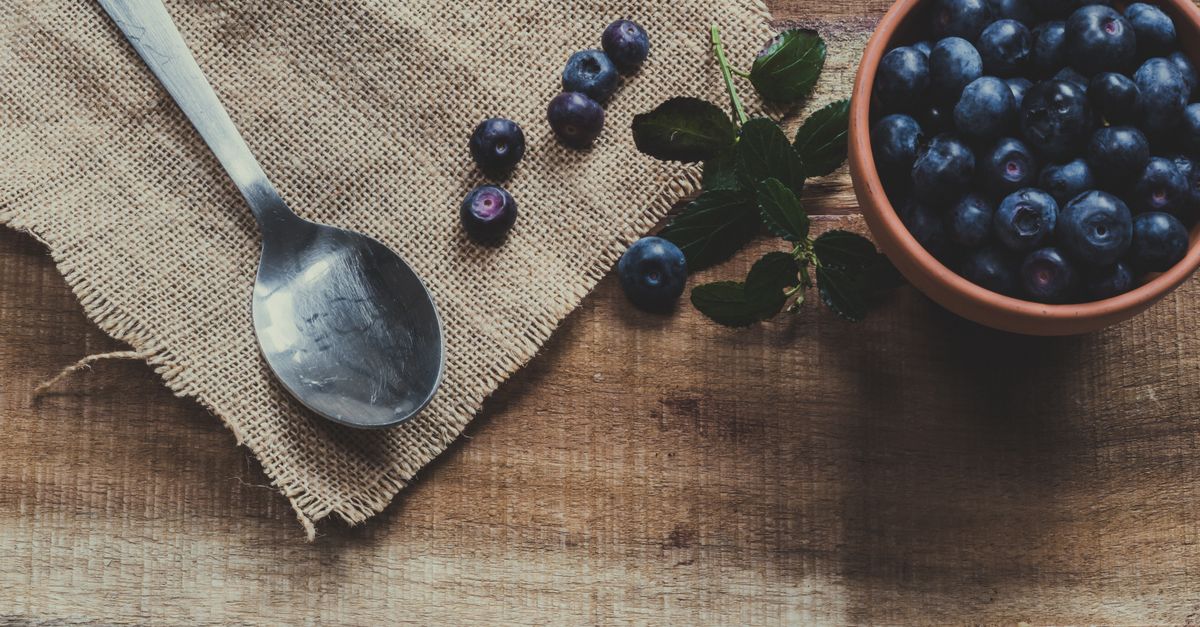
Let’s talk about polyphenols — the plant compounds that your gut bacteria feast on. The more diverse your gut microbiome, the more diverse your mood stability. And one food stands out: blueberries.
But wait — the science gets cool. Blueberries contain anthocyanins, which give them that deep purple color. These compounds cross the blood-brain barrier and directly reduce oxidative stress in the brain. A 2016 study in the Journal of Nutritional Biochemistry showed that blueberry supplementation improved mood and cognitive function in older adults. But you don’t have to be old to benefit.
I eat a handful of frozen wild blueberries every morning in my smoothie. Frozen are actually better because they’re picked at peak ripeness and retain more antioxidants. They’re like little mood bombs. Your gut bacteria ferment the polyphenols, producing short-chain fatty acids that signal your brain to chill out.
The Spice That Makes Your Gut Sing
Turmeric. You’ve seen the golden lattes. You’ve probably ignored them. But here’s the gut-mood link that changed my life: curcumin, the active compound in turmeric, reduces gut inflammation by blocking a protein called NF-kB. When your gut isn’t inflamed, your brain isn’t inflamed. And brain inflammation is a major driver of depression.
A meta-analysis in the Journal of Affective Disorders found that curcumin significantly reduced depression symptoms — comparable to some antidepressants. But here’s the catch: turmeric needs black pepper to be absorbed. The piperine in black pepper increases curcumin absorption by 2,000%.
I mix turmeric powder, black pepper, and coconut oil into a warm tea. It tastes earthy, but I’ve grown to love it. Your gut bacteria will use the curcumin to produce butyrate, a fatty acid that strengthens your gut lining. Stronger gut lining = less brain fog. It’s that simple.
The Humble Bean That Fights Anxiety
Beans get a bad rap. They’re “boring” or “gassy.” But legumes are prebiotic powerhouses — they feed the good bacteria that produce mood-stabilizing neurotransmitters. Specifically, chickpeas, lentils, and black beans are rich in resistant starch, which bypasses digestion and goes straight to your colon to feed your gut bugs.
One study in Nutrients found that a diet rich in legumes was associated with lower levels of cortisol — the stress hormone. Less stress hormone = better mood. Plus, beans are packed with magnesium, which calms your nervous system.
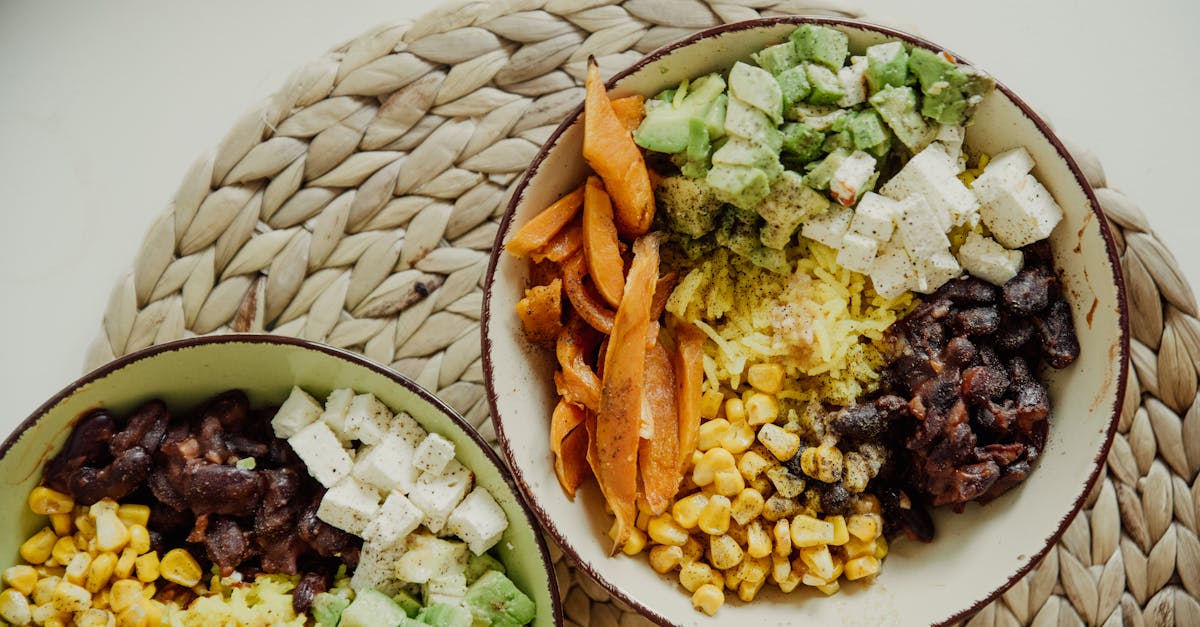
Here’s my hack: I make a batch of black bean and sweet potato chili every Sunday. I add turmeric, cumin, and garlic (another gut hero). The fiber keeps me full, and my mood stays stable all week. No afternoon crashes. No anxiety spikes.
The Hidden Link Between Sugar and Your Mood
Let’s get real for a second. You could eat all five of these foods, but if you’re still drowning in processed sugar, artificial sweeteners, and seed oils, your gut will never heal. Sugar feeds the bad bacteria — the ones that produce inflammation and mess with your brain chemistry.
I’ve found that cutting out soda and sugary snacks was the single biggest mood booster. The first week was hard. I craved sugar like crazy. But after day 10, my anxiety dropped by half. The science backs this: a 2020 study in Translational Psychiatry showed that a high-sugar diet alters the gut microbiome in ways that increase depression risk.
So here’s my challenge: swap one sugary snack for a handful of blueberries or a spoonful of kimchi. See how you feel in a week. Your gut bacteria will thank you. Your brain will thank you. And you might just find yourself smiling at 3 PM instead of snapping at your coworkers.