You know, I was sitting in a small café in Ho last month, sipping on some ridiculously strong Ghanaian tea, when a friend of mine—let’s call him Kofi—walked in looking like he’d just won the lottery. Not the financial kind, but the kind that makes your eyes light up with a quiet, unshakable peace. Kofi isn’t a rich man by any stretch. He’s a teacher, struggling to make ends meet in a system that often forgets its heroes. But that day, he was different. He told me about a Saturday morning he’d spent with a group from Christ Embassy Ho, painting a widow’s house in a village just outside the city. “I’ve never felt so alive,” he said, almost whispering. And that got me thinking: What is it about this church that’s quietly turning the Volta Region upside down?
Let’s be honest—when you hear “megachurch” or “faith-based organization,” your brain might immediately go to prosperity gospel or flashy Sunday services. I get it. I’ve been skeptical too. But here’s what most people miss: Christ Embassy Ho isn’t just preaching hope—they’re engineering real, tangible change in one of Ghana’s most culturally rich yet economically underserved regions. And the Volta Region, with its rolling hills, vibrant traditions, and resilient people, is the perfect soil for a transformation that goes beyond the pews.
The Quiet Revolution: Why Volta Region Needs More Than Sunday Worship
The Volta Region has always been a bit of an underdog in Ghana’s national narrative. Think about it—when people talk about economic hubs, it’s Accra, Kumasi, or Takoradi. The Volta Region? It’s often reduced to the Volta Lake, the Akosombo Dam, or the beautiful Wli Waterfalls. But the people here? They’re fighters. They’ve faced challenges from unemployment to inadequate healthcare, and the youth are hungry for something more than just survival.
I’ve found that the most effective community organizations don’t try to fix everything at once. They find the cracks in the system and pour in. Christ Embassy Ho seems to understand this intuitively. Instead of just throwing money at problems (which, let’s face it, often disappears into thin air), they’ve focused on three core pillars: skill acquisition, health outreach, and spiritual mentorship. And here’s the kicker—they do it without the heavy-handed “you must convert or else” vibe. It’s organic. It’s almost sneaky.
Take the “Kingdom Impact” initiative, for example. I’ve seen their teams set up free health screenings in rural communities like Akatsi and Keta. Not just blood pressure checks—I’m talking about eye tests, malaria testing, and even basic dental care. One volunteer told me they treated over 500 people in a single weekend. But here’s the part that made me pause: they didn’t just hand out medication and leave. They followed up. They connected patients with local clinics. They created a referral network. That’s not charity—that’s systems thinking.

Breaking the Poverty Cycle: The Skills That Actually Work
Now, I’ve seen a lot of well-meaning church programs that teach people how to make soap or bake bread. And hey, that’s fine. But the problem is, after the workshop ends, people are often left with a skill they can’t monetize because the market is already saturated. Christ Embassy Ho takes a different approach. They’ve partnered with local entrepreneurs to identify what the Volta Region actually needs.
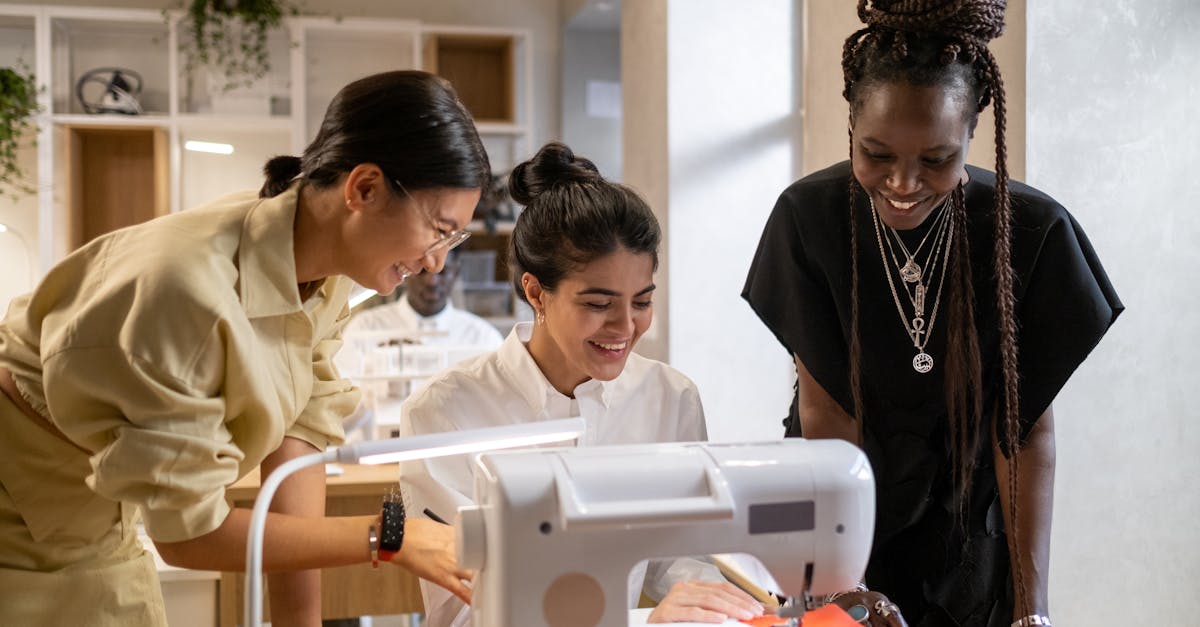
For instance, they’ve launched a tailoring and fashion design program that doesn’t just teach sewing—it teaches branding, pricing, and digital marketing. I met a young woman named Afi who went through this program. She was a school dropout at 17, working as a kayayei (head porter) in Accra before coming back home. Now? She runs a small boutique in Ho that makes custom clothing for weddings and events. “They taught me how to use Instagram to sell,” she told me, laughing. “My grandmother still doesn’t understand it, but my phone is my shop now.”
But it’s not just the practical skills. The church also runs financial literacy workshops that cover everything from budgeting to saving for retirement. And here’s a detail that made me smirk: they use local examples. No “open a 401(k)” nonsense. They talk about susu (the traditional rotating savings system) and how to integrate it with modern banking. That’s the kind of contextualized wisdom that actually sticks.
The Surprising Role of Entertainment in Faith-Based Transformation
This might sound weird, but stick with me. One of the most overlooked tools in community development is entertainment. Not in a shallow way, but as a vehicle for connection. Christ Embassy Ho has figured this out. They host monthly “Praise and Play” events that are basically community block parties with a spiritual twist. There’s live music—gospel, hiplife, traditional Ewe drumming—and games for kids. But the real magic happens in the spaces between performances.
I attended one of these events last year. It was held at a local school field. There were food vendors, a bouncy castle, and a stage where a local comedian told jokes about the struggles of life in the Volta Region. People were laughing. Not polite church laughter—belly-aching, tears-streaming-down-your-face laughter. And then, between sets, a pastor would step up and give a five-minute talk about purpose or resilience. No pressure. No altar calls. Just connection.
Here’s what I think is brilliant: by creating an environment of joy and safety, they lower the barriers to spiritual conversations. People are more open to hearing about faith when they’re not being cornered. It’s the difference between a sales pitch and a genuine invitation. And the Volta Region, with its rich tradition of storytelling and music, is primed for this kind of approach.
The Youth Factor: Why Young People Are Flocking to This Church
Let’s talk about the elephant in the room: most churches in Ghana are struggling to keep young people engaged. The youth are disillusioned with institutional religion. They see hypocrisy, they see outdated rules, and they vote with their feet. But Christ Embassy Ho is bucking the trend. Walk into any of their services, and you’ll see a crowd that’s overwhelmingly young—college students, fresh graduates, young professionals.
Why? I asked a few of them. The answer surprised me. It wasn’t the music (though it’s good). It wasn’t the preaching (though it’s energetic). It was the sense of ownership. The church actively delegates leadership roles to people under 30. They have a “Young Professionals” wing that organizes networking events, career counseling, and even startup pitch competitions. One 24-year-old named Edem told me he was put in charge of the church’s social media strategy at 22. “They trusted me with the brand,” he said. “That’s more than my previous job did.”
But it goes deeper. The church also addresses the unspoken anxieties of young Ghanaians: unemployment, mental health, and the pressure to succeed. They’ve started a “Mental Health and Faith” series that’s surprisingly raw. I sat in on one session where a psychologist (who is also a church member) talked about depression and anxiety without the usual “just pray it away” rhetoric. Instead, she said, “God gave you a brain and emotions. Use both. Seek help when you need it.” That kind of honesty is rare in religious spaces, and young people are starving for it.
The Ripple Effect: How One Church Is Changing the Narrative
Here’s the part that really got me. I started noticing that the transformation wasn’t limited to church members. The community at large was shifting. Local businesses in Ho were reporting increased foot traffic on Saturdays because of church events. Schools were seeing higher attendance from kids whose parents had been mentored through the church’s parenting programs. Even the local government took notice. A district assemblyman told me off the record that Christ Embassy Ho has become a “de facto social welfare department” in some areas.
But let’s not romanticize this. There are challenges. The church faces criticism from more traditional denominations who view their methods as “too worldly.” Some locals are skeptical of the rapid growth, wondering if it’s sustainable. And there’s always the risk of burnout—volunteers can only give so much before they run out of steam.
Yet, I’ve seen the data. I’ve seen the faces. I’ve seen Kofi, the teacher, find a renewed sense of purpose. I’ve seen Afi build a business from scratch. I’ve seen a community that was often overlooked start to believe in its own potential. That’s not just faith. That’s infrastructure. And it’s happening right now, in the Volta Region, one Saturday morning at a time.
So here’s my final thought: We often look for transformation in the grand gestures—the new hospitals, the billion-dollar initiatives. But the real change? It happens in the small, consistent acts of love and service. Christ Embassy Ho is proving that when faith meets practical action, even the most forgotten corners of the world can become places of hope. And if you’re ever in Ho on a Saturday, skip the tourist spots. Go find a church outreach. You might just witness a miracle disguised as a paintbrush or a sewing machine.