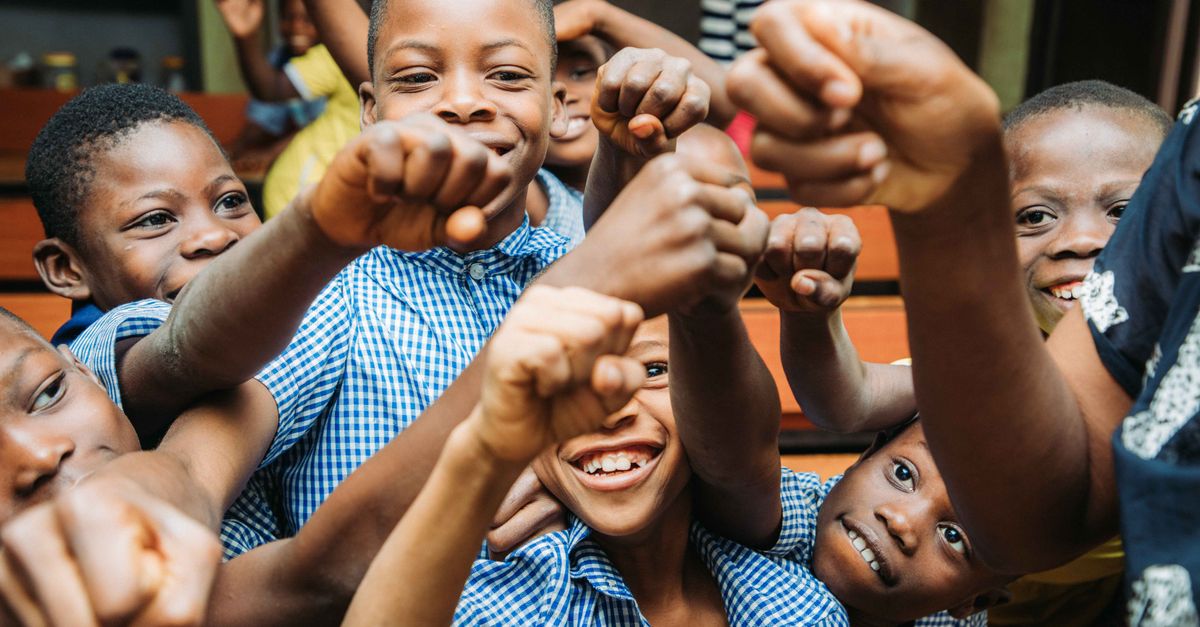
I remember the first time I saw a teenager walk into a room with their shoulders slumped, hoodie pulled low, eyes glued to a cracked phone screen. Two months later, that same kid was on stage—not cowering, but commanding a microphone like they'd been doing it their whole life. That's the kind of transformation that happens when you mix talent with real opportunity. And it's happening right now in the Ho Volta Region, thanks to the Christ Embassy Loveworld Arena programs.
Here's the thing most people miss about youth empowerment: it's not just about teaching skills. It's about creating a stage—literally and figuratively—where young people can discover who they are. And in Ho, that stage is the Loveworld Arena.
Let's be honest: the Volta Region has always had rhythm. From the pulse of Agbadza to the soulful harmonies of gospel choirs, music runs through the veins of this place. But raw talent without direction? That's like having a Ferrari with no fuel. You've got the potential, but you're going nowhere fast.
That's where Christ Embassy Loveworld Arena steps in. And I'm not just talking about Sunday services. I'm talking about a full-on youth empowerment ecosystem that treats music as more than entertainment—it treats it as a launchpad for life.
The Hidden Engine of Ho's Music Scene
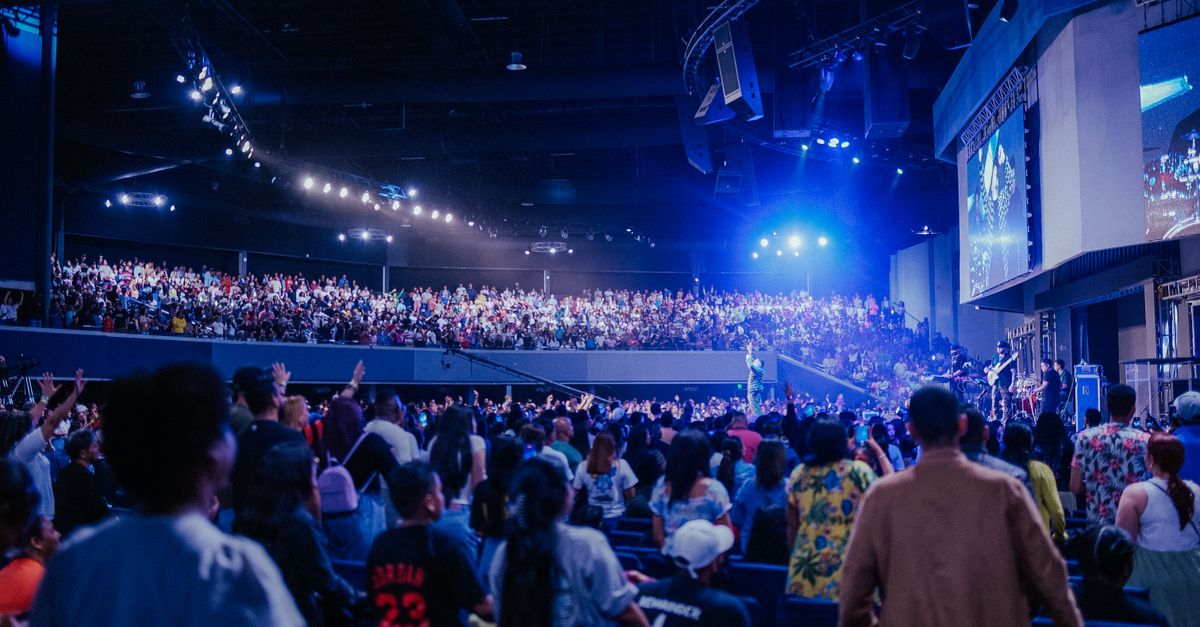
Most people think the Loveworld Arena is just a church building. They're wrong. It's a production house, a recording studio, a mentorship hub, and a performance venue rolled into one. I've walked through those doors and seen kids who couldn't afford a guitar pick leave with a full demo track.
What's happening here isn't accidental. It's a deliberate strategy to catch young people where they're most passionate—music—and use that passion to build discipline, confidence, and real-world skills.
Here's how it works:
- Weekly music workshops – Not theory-heavy lectures. Hands-on sessions where you learn to mix beats, write lyrics, and control your voice.
- Open mic nights – The scariest and most rewarding 5 minutes of any young artist's life. You bomb or you soar. Either way, you learn.
- Recording sessions – Professional-quality studios where youth can lay down tracks for free or at minimal cost.
- Collaboration projects – Singers paired with producers, rappers with instrumentalists. The cross-pollination is magic.
Why Your Average Music Program Fails (And This One Doesn't)
Let's call a spade a spade: most youth music programs are boring. They're run by well-meaning adults who haven't touched a DAW (digital audio workstation) since 2008. They teach scales while kids are trying to figure out how to make beats that hit like Burna Boy.
The Christ Embassy Loveworld Arena team gets it. They're not stuck in the past. They bring in young producers who know what's trending, vocal coaches who understand Afrobeats and highlife, and mentors who've actually navigated the industry.
I sat in on a session last month where a 17-year-old girl was struggling with her bridge. The mentor didn't lecture her. He pulled up a Wizkid track, isolated the vocal, and said, "Listen to how he builds tension here. Now try it." She nailed it in ten minutes.
That's the secret: relevance. These programs don't try to force-feed classical training. They meet young people where they are and stretch them from there.
What Most People Miss About the Arena's Impact
Here's the part that doesn't make the Instagram posts: the discipline. Let's be real—making music is about 10% talent and 90% showing up when you don't feel like it. The Loveworld Arena programs embed this into their culture.
If you want studio time, you have to be on time. If you want to perform at the big events, you have to attend rehearsals. If you want to be on a collaborative track, you have to prove you can work with others without drama.
These aren't church rules. They're life skills disguised as music requirements. And I've watched them transform kids who were directionless into young professionals who understand deadlines, teamwork, and excellence.

The Surprising Role of Gospel in Secular Music Development
Now, I know what some of you are thinking: "Mercy, this is a church program. Isn't it just about religious music?" Fair question. But here's the truth: the Loveworld Arena doesn't force everyone to sing gospel.
Yes, there's a spiritual component—Christ Embassy is a church, after all. But the music training is shockingly secular in its application. I've heard trap beats, Afro-pop hooks, and even some drill rap coming out of those sessions. The mentors understand that restricting young artists to one genre is like telling a chef they can only cook soup.
What they do instead is teach excellence as a value, not a genre. The message is: whatever you create, make it good. Make it honest. Make it work.
And here's something I didn't expect: many of these young artists end up writing gospel tracks anyway—not because they're forced, but because the environment makes them want to. When you're surrounded by people who believe in you and talk about purpose, your lyrics naturally start reflecting that.
But if you want to write a love song or a party track? No one's stopping you. The studio doors are open.
The 3 Things That Separate Loveworld Arena From Other Programs
After watching this ecosystem for a while, I've narrowed down what makes it genuinely different:
1. Consistency over hype Most programs launch with a big event, then fizzle. The Loveworld Arena runs weekly, year-round. No gaps. No waiting for "next season." A young person can walk in any Tuesday and find something happening.
2. Real production, not just performance Many youth programs focus on getting kids on stage. That's fine, but it's only half the picture. The Arena teaches recording, mixing, and distribution. Kids learn how to get their music on Spotify, not just sing in a choir.
3. Mentorship that sticks around The mentors don't disappear after the workshop ends. They give out numbers, follow up on WhatsApp, and show up to events where their students are performing. That relational consistency is rare, and it's powerful.

The Economic Ripple Effect Nobody Talks About
Let's get practical for a second. Youth empowerment isn't just about feels—it's about futures. And in the Ho Volta Region, where job opportunities can be limited, music entrepreneurship is a lifeline.
I've met young people who started in Loveworld Arena programs and now:
- Run their own recording studios
- Produce for local artists
- Teach music to younger kids (getting paid for it)
- Perform at weddings, events, and even regional festivals
- Distribute their music online and earn royalties
The Arena doesn't hand out money. It hands out tools, skills, and networks. And in a region with immense creative energy but limited infrastructure, that's worth more than cash.
Why This Matters Beyond Music
Here's my hot take: youth music programs are actually leadership programs in disguise.
Think about it. To write a song, you need to articulate a message. To perform, you need confidence. To collaborate, you need emotional intelligence. To finish a track, you need discipline. To release it, you need courage.
These are the exact qualities that make good leaders. And the Loveworld Arena is producing them in droves.
I've watched shy teenagers become vocal coaches. I've seen kids who couldn't hold eye contact run soundboards for events. I've witnessed arguments dissolve into productive studio sessions because the mentors taught conflict resolution as part of the creative process.
That's the kind of empowerment that changes a region. Not just better musicians—better humans.
How to Get Involved (Even If You're Not in Ho)
If you're reading this and thinking, "I wish I had access to something like this," I have good news: the Loveworld Arena model is replicable. Christ Embassy has similar programs in other regions, and they're always looking for partners.
But if you're in Ho, here's what you do:
- Show up. Visit the Loveworld Arena and ask about the music programs. They're usually free or very low-cost.
- Bring your talent. You don't need to be a pro. Beginners are welcome.
- Bring your friends. The more, the merrier. Music is collaborative.
- Be consistent. The real growth happens over months, not days.
The youth of Ho Volta Region don't need saving. They need stages. They need studios. They need someone to believe in them before they believe in themselves.
Christ Embassy Loveworld Arena is providing that. And the music coming out of this region? It's only getting better.
I'll leave you with this: the next big Ghanaian artist might not be from Accra. They might be from Ho. And they might have started their journey in a church program that took them seriously when no one else did.
That's the kind of story I love to tell. And it's the kind of story that's still being written.
So go find your stage. Or help someone else find theirs.