
I remember the exact moment my kitchen turned into a science lab. It was a Thursday, I was three glasses of wine deep into a TikTok scroll, and a video of a Korean grandmother carefully layering cabbage with gochugaru changed my life. Not dramatically, not with a fanfare, but with a quiet, bubbling promise. I ordered a fermentation crock that night. My partner thought I had lost my mind. Fast forward six months, and our fridge looks like a petri dish exploded — jars of bubbling kimchi, a murky jar of kombucha that I talk to like a plant, and a block of tempeh that might be sentient. And honestly? My gut has never been happier.
This isn't just a trend. It's a full-blown umami revolution, and it's taking over your kitchen, your local farmer's market, and very possibly, your bathroom counter (looking at you, DIY sauerkraut). Let's get into why fermented foods are the messy, funky, delicious backbone of modern eating.
Why Your Taste Buds Are Begging for Funk
Let's be honest: we've been lied to by the food industry. For decades, we were sold on "fresh" and "clean" — everything sanitized, pasteurized, and stripped of anything that might actually taste like... something. Then umami walked in. Umami isn't a flavor you learn about in school. It's that deep, savory satisfaction you get from a perfect aged parmesan, a soy sauce-drenched mushroom stir-fry, or a good, funky miso soup. It's the fifth taste, the one that makes you close your eyes and go "mm."
Here's what most people miss: fermentation is nature's flavor accelerant. When you let good bacteria, yeast, and molds do their thing, they break down proteins into amino acids (hello, glutamate), fats into free fatty acids, and carbs into complex sugars. The result? A flavor depth that no spice blend or MSG shaker can replicate. I've found that a single tablespoon of homemade kimchi adds more complexity to a bowl of rice than an entire bottle of store-bought hot sauce. It's not just heat; it's a symphony of sour, salty, and that elusive savory umami that keeps you coming back for more.
The Gut Check: Your Microbiome Is Begging for Help
Okay, let's get science-y for a second, but I promise I'll keep it fun. Your gut is basically a rainforest of bacteria. Some are good, some are bad, and some are just there for the vibes. The problem? Modern life — antibiotics, processed sugar, stress, and lack of sleep — has turned that rainforest into a parking lot. Enter fermented foods.
Fermented foods are live probiotics. They're not just dead fiber supplements sitting on a shelf. When you eat real, unpasteurized sauerkraut or drink raw kombucha, you're introducing billions of live, active bacteria directly into your digestive tract. I started noticing changes within two weeks: less bloating after meals, more energy in the afternoon, and my skin cleared up. Coincidence? Maybe. But when I stopped for a month, the bloat came back like an unwanted ex.
- Better digestion: Those live cultures help break down food you can't handle alone.
- Immune boost: 70% of your immune system lives in your gut. Happy gut = fewer sick days.
- Mood regulation: There's a direct line from your gut to your brain. Fermented foods can help with anxiety and depression (not a replacement for therapy, but a solid teammate).
The 3-Minute Fix: Why You Can't Afford to Ignore This
You're busy. I get it. You don't have time to babysit a sourdough starter or watch a jar of kombucha ferment for two weeks. But here's the secret: you don't have to. The umami revolution isn't about becoming a full-time fermenter. It's about knowing how to use the stuff that's already out there.
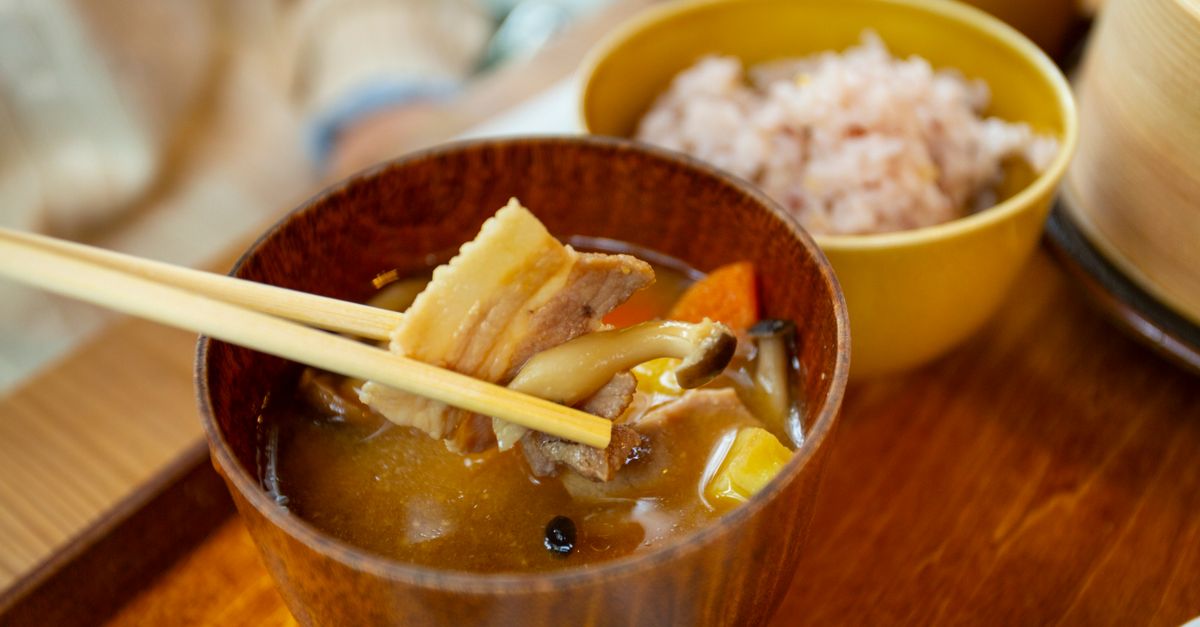
I keep a jar of miso paste in my fridge at all times. It's instant umami. A spoonful in a stir-fry, a smear on roasted vegetables, or stirred into butter for a compound butter that makes everything taste like a five-star restaurant. Soy sauce is another cheat code. But not the watery stuff. Get the good, naturally brewed kind. You can taste the difference immediately.
The Dark Side of the Revolution (Yes, There Is One)
Let's not pretend this is all rainbows and kombucha burps. Fermented foods can be risky if you're not careful. I'm not saying this to scare you, but because I've made the mistakes so you don't have to. The first time I tried to make my own sauerkraut, I didn't clean my jar properly. Two weeks later, I opened it to find a fuzzy patch of mold that looked like a science experiment gone wrong. I threw it away, bought a new jar, and started over.
Here's the truth: unpasteurized ferments can harbor bad bacteria if the conditions aren't right. If you're pregnant, immunocompromised, or have a history of gut issues, talk to your doctor before going full ferment fanatic. Also, start slow. Your gut isn't used to that much bacterial activity. A tablespoon a day is plenty. Your bathroom will thank you.
How to Join the Revolution Without Losing Your Mind
You don't need a fermentation crock, a special starter kit, or a science degree. You just need three things: salt, water, and vegetables. Here's my no-fail starter recipe for a simple fermented salsa that's impossible to mess up:
- 3 cups chopped tomatoes
- 1 cup chopped onion
- 2 cloves garlic, smashed
- 1 jalapeño, sliced
- 1 tablespoon sea salt
- Water to cover

The Future Is Funky
The umami revolution isn't a fad. It's a return to how humans have eaten for thousands of years. Before refrigeration, before canning, before preservatives, we relied on fermentation to keep food alive and flavorful. Now, with the rise of gut health awareness and a craving for real taste, we're coming full circle.
The next time you see a jar of kimchi at the store, don't walk past it. Pick it up. Taste it. Let that funk wash over you. Your gut is waiting, and your taste buds are ready for an upgrade. The revolution is bubbling, and you're invited.