Let me tell you something that’s been keeping me up at night. It’s not the latest celebrity drama or the next Marvel phase. It’s the quiet, creeping monster hiding in plain sight: your grocery bill.
You’ve probably felt it. The last few trips to the store? Painful. A carton of eggs that used to cost $3 now rings up at $6. A bag of oranges? Better start a savings fund. And you’re not alone. Every week, I hear friends complaining, “Is it just me, or is everything getting more expensive?”
Well, it’s not just you. And the latest climate report just dropped a truth bomb that’s going to make it worse.
The Report Nobody’s Talking About (But Should Be)
Let’s be honest. Climate reports are usually dry, dense, and full of jargon that makes my eyes glaze over. But the latest IPCC synthesis and a slew of regional agricultural studies have one crystal-clear message: our food system is breaking.
I’ve found that most people miss the real story here. It’s not about polar bears or melting glaciers—though those matter. It’s about supply chains snapping under heat stress. Think about it: droughts in California, floods in the Midwest, wildfires in Australia, and unpredictable monsoons in Southeast Asia. All of these are hitting the exact regions that grow your strawberries, wheat, coffee, and rice.
Here’s the part that stings: global crop yields are projected to drop by 10-25% by 2050 if emissions keep climbing. That’s not some distant future. That’s your next decade. And it’s already happening.

Why Your Avocado Toast Is Now a Luxury Item
I’ll never forget the day I bought an avocado for $2.50. That’s a single avocado. I remember thinking, “I could have bought a whole burrito for that price.”
But here’s what most people miss: it’s not just avocados. It’s everything. Coffee, chocolate, olive oil, almonds, even bread. The climate is messing with the basics.
- Coffee: Rising temperatures are shrinking the land suitable for Arabica beans. Brazil and Vietnam, the world’s top producers, are seeing heatwaves that stunt growth. Your morning latte? It’s about to cost you a dollar more.
- Olive oil: Droughts in Spain and Italy are devastating harvests. I’ve seen prices jump 30% in just one year.
- Wheat: Floods in Canada and heat in Russia are hammering global supply. Bread and pasta? You guessed it.
The 3 Things Nobody Tells You About Food Inflation
Here’s where I get personal. I’ve spent years digging into this stuff, and I’ve found that the mainstream conversation misses three critical points.
1. It’s not just supply—it’s transport.
When a heatwave hits a shipping canal like the Panama Canal (which is literally running out of water due to drought), every container of bananas and tomatoes gets delayed. Delays mean spoilage. Spoilage means higher prices. The climate is breaking the logistics chain, not just the farm.
2. Insurance costs are skyrocketing.
Farmers are paying more to insure their crops against freak storms and heatwaves. Guess who picks up that tab? You. Climate risk is being baked into every price tag.
3. Fertilizer is tied to fossil fuels.
Natural gas is a key ingredient in fertilizer. And guess what happens when energy prices spike due to climate-policy shifts or geopolitical chaos? Fertilizer costs go up. Crop yields go down. Prices go up again. It’s a vicious cycle.

What This Means for Your Dinner Table (Right Now)
I’m not here to scare you. I’m here to arm you. Because the truth is, you can adapt—but only if you know what’s coming.
Let’s look at the immediate future. The latest climate models show that 2025-2030 will be a critical window. We’re already seeing the first signs of permanent shifts in what’s available and at what price.
- Seasonal produce will become less predictable. Strawberries in winter? That was already a stretch, but now it’s going to be a rare luxury.
- Meat will get even pricier. Livestock feed (corn, soy) is being hit by drought. Plus, heat stress kills animals. Expect beef and chicken to climb.
- Imported foods will shrink. Countries that export food—like India (rice), Vietnam (coffee), and Peru (asparagus)—are starting to keep more for their own populations. Global trade is tightening.
The Secret Weapon: Eating Local (But Not How You Think)
Everyone says “eat local.” But here’s what most people miss: local doesn’t mean boring. It means resilient.
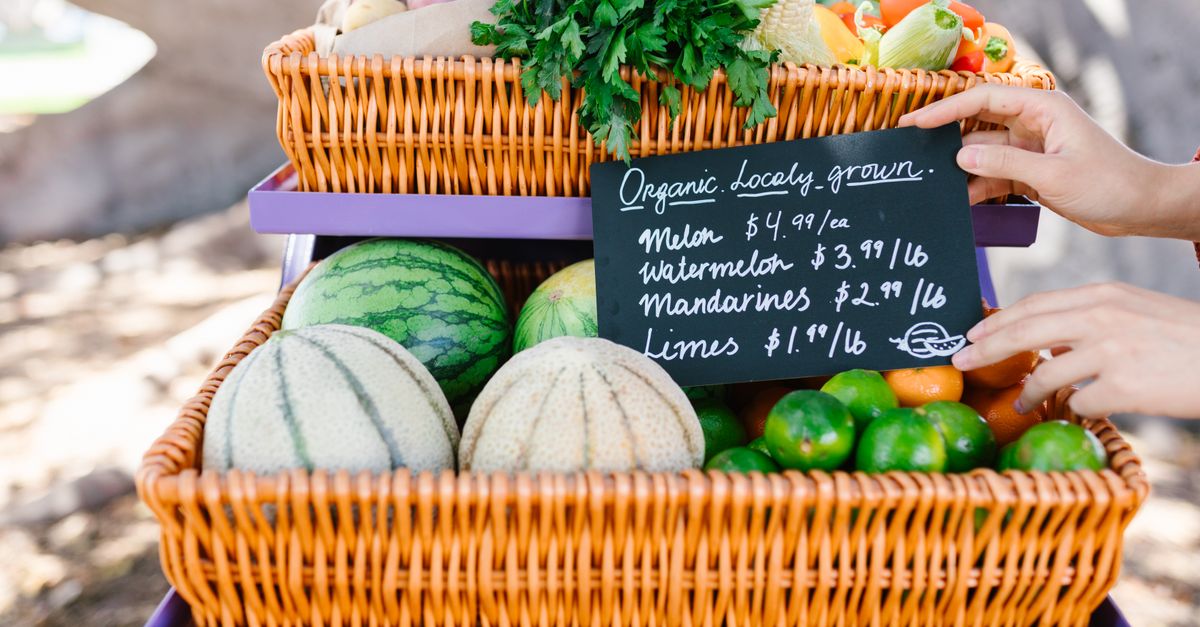
I’ve started buying directly from farmers’ markets and joining community-supported agriculture (CSA) programs. Yes, it takes a little planning. But the payoff is huge. You get produce that’s actually in season, you support growers who are adapting to climate realities, and you cut out the middleman who’s jacking up prices.
Plus, local farmers are often more creative. They grow heirloom varieties that are drought-resistant or heat-tolerant. Things you won’t find at a big-box store. I’ve discovered vegetables I’d never heard of—and they’re delicious.
Here’s a pro tip: start a small herb garden or even a pot of tomatoes on your balcony. It’s not going to replace your whole diet, but it gives you control over a few things. And it’s surprisingly satisfying.
The Big Picture: Your Wallet Is the Canary in the Coal Mine
Let’s step back for a second. The climate report isn’t just about science. It’s a financial wake-up call for every household.
I believe that your grocery bill is the most direct, personal thermometer of planetary health. When the planet runs a fever, you feel it in your wallet. And right now, the fever is climbing.
The good news? You have more power than you think. By changing what you buy, where you buy it, and how you prepare it, you can insulate yourself from the worst shocks. Start paying attention to the “carbon cost” of your food. Ask yourself: “Is this banana worth 5,000 miles of shipping? Or can I eat an apple grown nearby?”
The hidden crisis is real. But so is your ability to adapt. The question is: are you ready to change how you eat?
Because the climate isn’t going to wait for us to catch up.