
You know that moment when you're scrolling through Twitter and see someone's grainy, vertical video of a concert, filmed from 47 rows back, with more screaming than actual music? We've all been there. But here's the little-known fact that’s shaking up Hollywood: Taylor Swift's Eras Tour film made more money in its opening weekend than the entire box office of every traditional concert movie from the last decade combined. I'm not kidding. We're talking about a film that cost a reported $15 million to make and grossed over $92 million domestically in its first three days. That's not just a win for Swift—it's a seismic shift that's making studio executives rethink what a "concert movie" even is.
Let's be honest: the concert movie has been a dying art form for years. Remember when you'd buy a ticket to see a filmed performance in a theater, and it felt like watching a bootleg VHS tape on a 20-foot screen? I do. And I hated it. But Swift didn't just fix the formula—she blew it up and danced on the ashes. Here's the truth most people miss: the Eras Tour film isn't a concert movie. It's a cultural event wearing a movie's skin.
Why the Old Rules No Longer Apply
For decades, concert movies followed a painful pattern: release a 90-minute highlight reel of a band's greatest hits, slap on some backstage interviews, and hope fans show up. They rarely did. The highest-grossing concert film before 2023 was Michael Jackson's This Is It, which made $72 million over its entire run. That's a global cultural icon, and he barely beat what Swift did in a single weekend.
What changed? I've found that the answer isn't about the music—it's about the experience. Swift didn't just film a show; she engineered a communal ritual. She released the movie on a Thursday night, encouraging fans to dress in their Era-themed outfits, trade friendship bracelets, and scream the lyrics at the screen. Theaters became venues. Strangers became best friends. You weren't watching a concert—you were at the concert, just without the $500 ticket price and the 90-minute merch line.
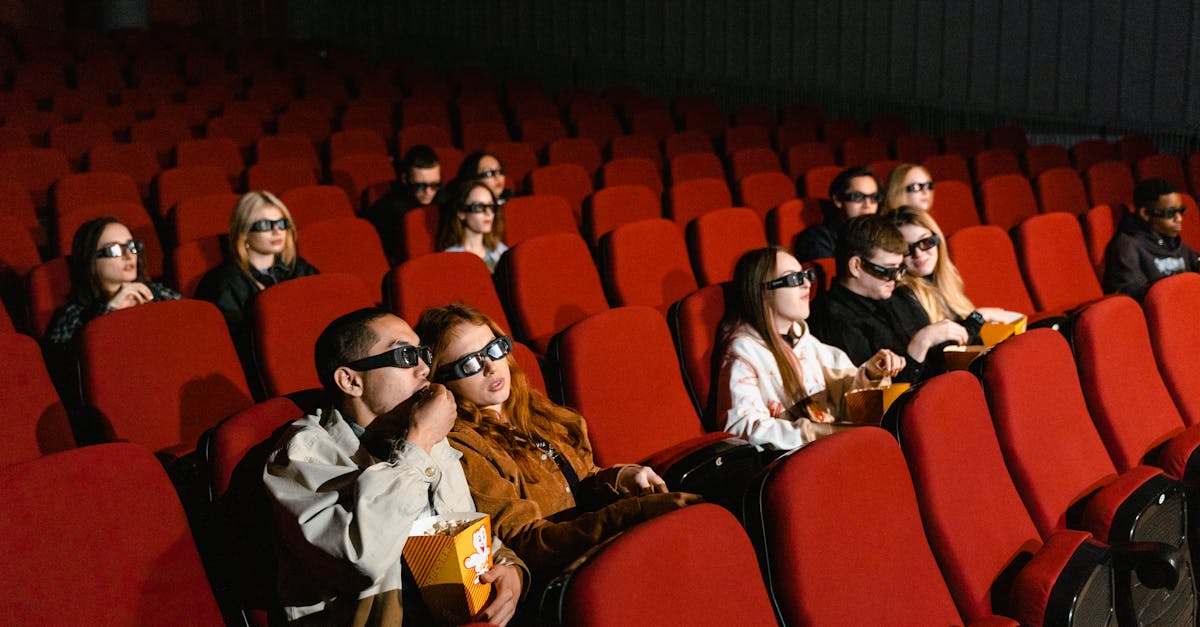
The Eras Tour film also broke the cardinal rule of traditional concert movies: it wasn't a documentary. There's no "behind the scenes" footage. No talking heads. No interviews with backup dancers. It's just the show, stripped down and laser-focused. This is genius because it respects the audience's intelligence. We don't need a voiceover explaining that "Taylor worked really hard on this tour." We can see it.
The Secret Weapon: FOMO and Theatrical Timing
Here's where it gets interesting. Swift didn't just release the film after the tour ended—she dropped it while the tour was still running. Think about that. You had fans who hadn't gotten tickets yet, fans who went to a different city's show, and fans who wanted to relive the experience. The film became a way to close the gap between "I wish I was there" and "I was there."
This created a viral feedback loop that traditional concert movies can't touch. Every time someone posted a TikTok of themselves crying during "All Too Well (10 Minute Version)" in the theater, it drove more people to buy tickets. The movie wasn't just an event—it was a shared moment that demanded participation.
Let me break down the three things Swift did that killed the old model:
- She bypassed the studios. Swift negotiated directly with AMC Theatres, cutting out the middlemen and keeping a larger share of the profits. This was a power move that told the industry: "I don't need your distribution machine. I have 200 million fans."
- She priced it like a concert, not a movie. Adult tickets were $19.89 (a nod to her birth year and album 1989), and child tickets were $13.13. This wasn't arbitrary—it made buying a ticket feel like a collectible.
- She made it a limited release. The film was originally only going to play for four weekends. This scarcity forced fans to act fast, creating that sweet, sweet FOMO that marketers dream about.
The Death of the "Sit and Watch" Concert Movie
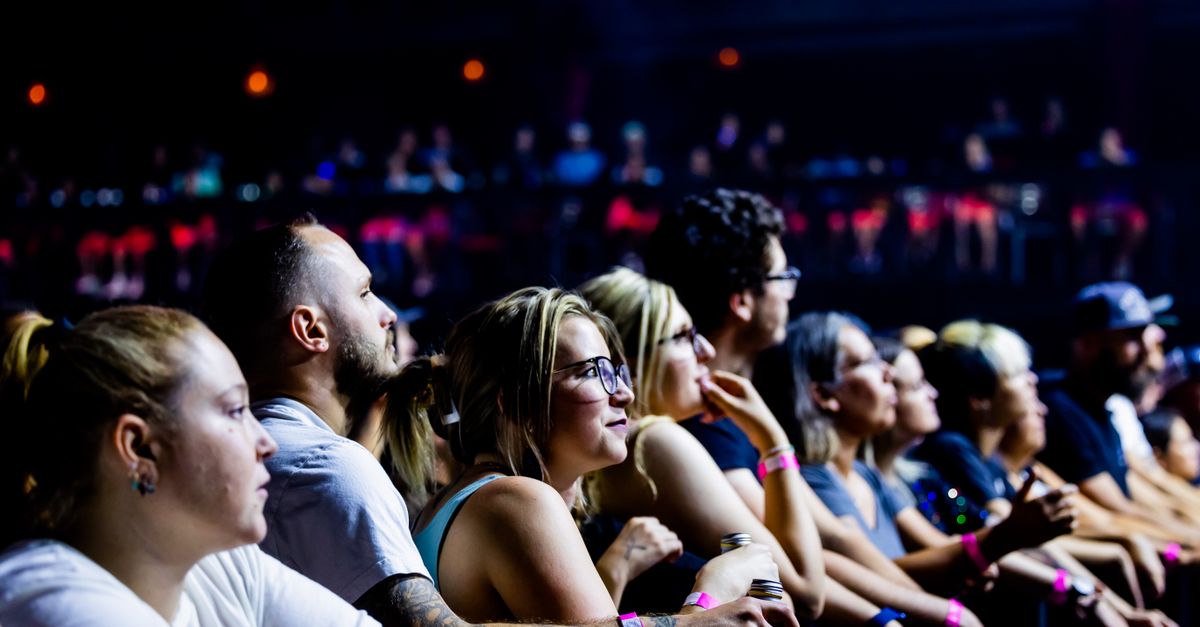
Traditional concert movies were designed for passive consumption. You sit down, watch a performance, maybe clap at the end, and leave. The Eras Tour film demands you be active. Singing is not just allowed—it's expected. Dancing in the aisles is encouraged. Recording the screen on your phone is practically a rite of passage.
I watched the film in a theater where a group of teenagers had brought glow sticks and a sign that said "We love you Taylor!" (She obviously didn't see it, but that didn't matter.) The experience felt more like a rave than a movie screening. And here's the kicker: theaters loved it. Concession sales skyrocketed. Staff reported that crowds were orderly but passionate. It wasn't a disruption—it was a new revenue stream.
What does this mean for other artists? If you're a major pop star reading this (hello, Beyoncé, who is also releasing a concert film), you've got to rethink the format. You can't just point a camera at a stage and call it a day. You need to create a theatrical experience that justifies the big screen. That means:
- Higher production value. Swift's film used 40 cameras, including drones and Steadicams. Every shot felt intentional.
- Curated setlists. The film cut the 3+ hour tour down to 2 hours and 45 minutes, removing some songs but keeping the narrative arc.
- Exclusive content. Swift included a performance of "Wildest Dreams" that wasn't in the tour's standard setlist. This gave fans a reason to see the film even if they'd attended a live show.
What Hollywood Gets Wrong (And Swift Got Right)
Here's the cold truth: Hollywood has been treating concert movies as cash grabs for years. They'd sign a deal, film a show with mediocre camera work, and hope the artist's name carried the weight. Swift proved that approach is dead.
The Eras Tour film succeeded because it treated the audience as participants, not customers. It created a shared language—inside jokes about the "22" hat, collective sobbing during "Marjorie," and the universal joy of watching Taylor dramatically strut in a sequined bodysuit. This isn't something you can manufacture with a marketing budget. It has to come from the artist's understanding of their fanbase.
And let's be real: this model might not work for everyone. Can you imagine a Metallica concert film where fans are encouraged to mosh in the aisles? Probably not. But for pop artists with massive, dedicated followings, the blueprint is now clear.

What Comes Next? The Future of Event Cinema
The Eras Tour film has cracked open a door that other artists are already running through. We're seeing announcements for concert films from Beyoncé, The Rolling Stones, and even Renaissance—a film that's basically a visual album. But here's the question that keeps me up at night: will this kill the live concert experience?
I don't think so. If anything, it makes live shows more valuable. The film is a document of the tour, not a replacement. Fans who saw the movie are now more likely to buy tickets for the next tour because they've seen what they're missing in high definition.
But for the traditional concert movie? The one with the cheesy backstage interviews and the "making of" segments? That format is on life support. Swift proved that audiences don't want a behind-the-scenes look—they want to be in the scene. They want to feel like they're part of the story, not just watching it.
So here's my final thought: if you're an artist or a studio executive reading this, stop making concert movies. Start making experiences that happen to be filmed. Because the next time someone tries to sell me a 90-minute highlight reel with a $15 ticket price, I'm going to ask the same question everyone else is asking: "Is this the Eras Tour? No? Then I'll wait for the next one."
Because the old way is dead. And Taylor Swift just buried it with a sequined shovel.