
You know that feeling when you walk into a room and the atmosphere shifts? Like you can feel the energy before you even see anyone? That’s the only way I can describe my first Sunday at Christ Embassy Loveworld Arena in the Ho Volta Region. I wasn’t even there for the service—I was meeting a friend for lunch after. But as I stepped through those doors, I got caught in a wave of praise so thick, so real, that I forgot why I came. Two hours later, I was still there, swaying, laughing, and wondering why every church service doesn’t feel like a family reunion and a concert all at once.
Here’s the thing: people in the Ho Volta Region aren’t casual about worship. We take our faith seriously. So when I saw the sheer number of locals flooding the Loveworld Arena every week—not just on Sundays, but for midweek services, youth meetings, and healing streams—I had to ask: What’s the secret? Let’s be honest, there are plenty of churches in Ho. But this one? It’s different. And after spending time with members, pastors, and even skeptics, I’ve uncovered why this place has become the spiritual home for so many.
The Vibe That Hits You Before the Sermon
I’ve been to churches where the atmosphere feels… forced. You know the ones—where the ushers look stressed, the music is polite, and everyone’s waiting for the clock to hit noon. Loveworld Arena is the polar opposite. The moment you walk in, the air is thick with anticipation. It’s not loud for the sake of being loud; it’s alive.
I remember sitting next to a woman named Ama during a Wednesday service. She’d driven 45 minutes from Kpetoe just for the midweek program. “My husband thinks I’m crazy,” she laughed, “but I tell him, ‘You haven’t felt what I feel here.’” And she’s right. The worship team doesn’t just sing—they lead you into a space where your worries feel smaller. The drums aren’t just rhythm; they’re a heartbeat. The dancers aren’t performing; they’re expressing.
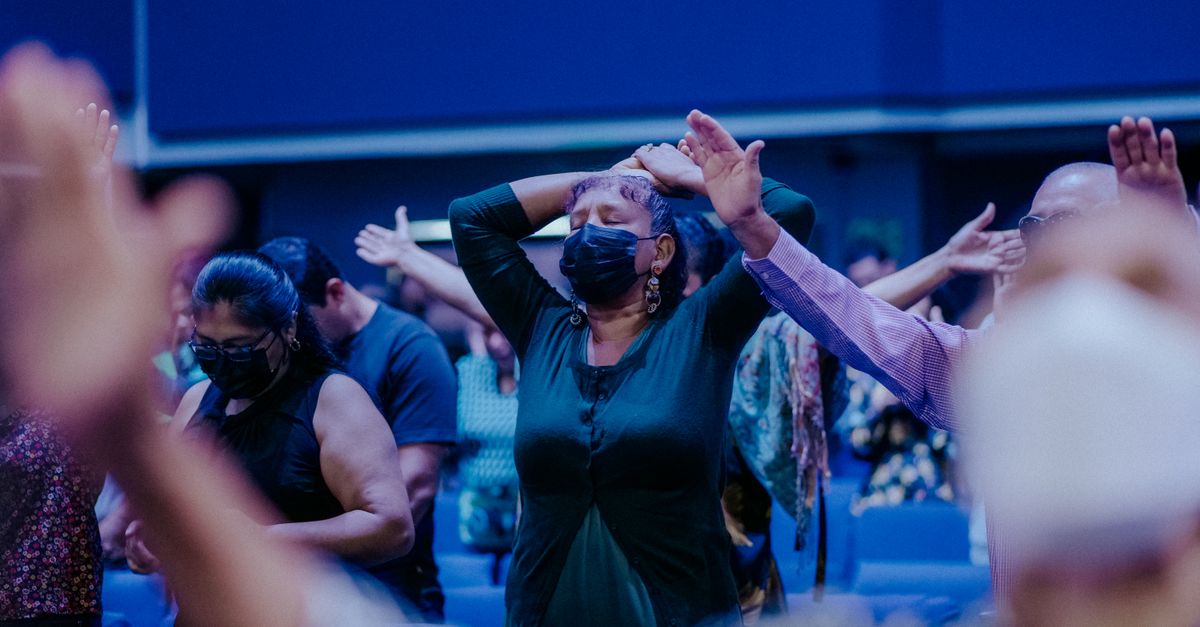
What most people miss is that this isn’t manufactured. It’s cultivated. The church invests heavily in sound quality, lighting, and training. But more than that, the congregation brings it. I’ve seen grandmothers with walking sticks raise their hands like teenagers. I’ve seen young professionals in suits drop their briefcases to dance. It’s contagious. And honestly? It’s the kind of worship that reminds you why you believed in the first place.
The Pastor Who Doesn’t Preach at You—He Preaches To You
If you’ve ever sat through a sermon that felt like a lecture you didn’t sign up for, you’ll understand why people rave about Pastor Donatus Anaba. He’s the lead pastor of the Ho branch, and let me tell you—this man has a gift.
I’m not saying he’s perfect or that every sermon is a masterpiece. But what he does differently is connect. He doesn’t stand behind a pulpit and throw scripture at you like a textbook. He walks the aisle, looks people in the eye, and talks like he’s having a conversation with a friend who’s struggling. I’ve heard him pause mid-sermon to ask, “Is anyone here tired of pretending everything is fine?” The silence that followed was heavy—but then people started nodding. Crying. Laughing.
Here’s what most people miss: Pastor Donatus doesn’t just preach about Jesus. He makes you feel like Jesus is in the room. He uses real-life examples—like the struggles of a market woman in Ho or the pressure on a university student at Ho Technical University. He’s not performing; he’s pastoring. And that distinction matters.
One member told me, “I came here broken. Broke. My business had failed. After three services, I didn’t just get a prayer—I got a strategy. Pastor Donatus helped me see my situation differently.” That’s the kind of impact that keeps people coming back. It’s not about the building. It’s about the shift in perspective you leave with.
Why the Youth Are Obsessed (And It’s Not Just the Music)
Let’s be honest: many churches struggle to keep young people engaged. The same old hymns, the same long prayers, the same “you must dress like it’s 1985” rules. Loveworld Arena? The youth are the engine of this church.
I spent a Friday evening at their Youth Alive meeting. The place was packed—students from Ho Polytechnic, young professionals, even some senior high school kids who’d snuck out (with permission, I hope). The energy was electric. They weren’t just sitting in rows; they were in small groups, discussing their dreams, their fears, and how their faith fits into a world that tells them to chase money and status.
What’s the secret? I think it’s relevance without compromise. They don’t dumb down the Bible to make it cool. They don’t ignore real issues like unemployment, relationship pressures, or mental health. Instead, they tackle them head-on. One session I attended was titled “God’s GPS for Your Career.” The speaker didn’t just talk about prayer—he talked about CVs, networking, and industry trends. That’s rare.
And yes, the music helps. But it’s deeper than that. The youth feel ownership. They lead the ushering, the media team, the outreach programs. They’re not just attendees; they’re stakeholders. I’ve found that when young people are given real responsibility, they show up differently. And at Loveworld Arena, they do.
The Healing That Isn’t Just a Stage Show
I’ll be honest: I’m a skeptic when it comes to “healing services.” Too many churches have turned them into theater. But when I attended Healing Streams at Loveworld Arena, I saw something different.
It wasn’t flashy. There were no dramatic falls or loud declarations of “You’re healed!” Instead, it was quiet, intentional, and deeply respectful. The pastor invited those who needed prayer for specific conditions to come forward. A woman with chronic back pain was prayed for—she didn’t shout or fall. She just stood there, tears streaming down her face. Later, she told me she felt a warmth spread through her spine. I don’t know if she was medically healed. But I know she left with hope.
What most people miss is that the church doesn’t hype healing as a magic trick. They teach that healing is a process, a journey of faith, not a one-time event. They follow up with people. They connect them to medical professionals if needed. They don’t promise instant miracles, but they create an environment where miracles are possible.
And let’s be real—in a region where healthcare can be expensive or inaccessible, a church that prays for your body and connects you to practical resources is a church that people will love. It’s not just spiritual; it’s community care.

The Community That Feels Like Family (Without the Dysfunction)
Here’s something I’ve noticed: many churches in Ho Volta Region are divided by tribe, language, or economic status. You have the “elite” churches and the “village” churches. Loveworld Arena transcends those lines.
I saw a lawyer sitting next to a seamstress. A university lecturer chatting with a taxi driver. The greetings weren’t fake; they were warm. People knew each other’s names. They asked about each other’s children. After service, I watched a group of women gather around a new member who’d just moved from Accra. They didn’t just say “welcome”—they gave her their numbers, invited her for lunch, and offered to help her find an apartment.
This is the kind of community that heals loneliness. And in a world where many people feel isolated, even in crowded cities, that’s a rare gift. I’ve found that the church’s emphasis on small groups—called Loveworld Cells—is key. These aren’t just Bible studies; they are support systems. They meet in homes, share meals, pray for each other, and hold each other accountable.
One member told me, “When my mother passed, the cell group didn’t just send a card. They brought food, cleaned my house, and sat with me for three days. I didn’t even have to ask.” That’s the kind of love that makes people loyal.
The Teaching That Makes You Think (Not Just Feel)
Let’s get into the doctrine. Because if you’re going to commit to a church, you need to know what they believe. Christ Embassy is known for its Word-based teaching—the idea that the Bible is not just a history book, but a manual for living a victorious life.
At Loveworld Arena, the sermons aren’t just emotional pep talks. They are systematic and practical. I’ve attended a series on “The Prosperous Soul” that changed how I think about money. Another on “The Power of Tongues” that made me rethink prayer. The pastors don’t shy away from hard topics—like suffering, doubt, or the role of the Holy Spirit.
Here’s what most people miss: the teaching is designed to be applied. After every sermon, there are action points. Not vague suggestions, but specific steps. “This week, speak to your finances with authority.” “Write down three lies you’ve believed about yourself and replace them with scripture.” It’s not just information; it’s transformation.
And the results speak for themselves. Members I spoke to reported breakthroughs in their businesses, marriages, and health. Not because of magic, but because they were given tools to change their mindset and actions. As one man put it, “This church didn’t just give me a prayer—it gave me a plan.”

Why This Matters for the Ho Volta Region
The Ho Volta Region is a place of rich culture, beautiful landscapes, and resilient people. But it’s also a place where many face economic hardship, limited opportunities, and spiritual confusion. In that context, a church that offers hope, practical help, and genuine community is essential.
Loveworld Arena isn’t perfect. No church is. But it’s effective. It’s drawing people not because of hype, but because of substance. The worship is real. The teaching is solid. The community is warm. The youth are empowered. The sick are prayed for with dignity.
If you’re in the Ho Volta Region and you’ve been searching for a church where you can grow, belong, and be challenged—I’d say give it a try. Don’t just visit once. Go for a month. Attend a cell meeting. Talk to a member. See if the love you hear about is the love you experience.
I’ve been to many churches in my life. Some were beautiful. Some were big. Some were theologically deep. But Loveworld Arena in Ho has something that’s harder to find: authenticity. And that, my friend, is why the people of the Ho Volta Region love worshipping there.
So, what’s stopping you from experiencing it yourself?