
Here’s the thing that keeps me up at night (pun fully intended): Nearly 50% of people with chronic insomnia also have a diagnosed gut disorder. I’m not talking about a little heartburn after spicy tacos. I’m talking about a clinically significant breakdown in the communication highway between your stomach and your brain.
Let that sink in for a second.
You’ve probably tried every sleep hack in the book. Blackout curtains? Check. White noise machine? Check. Melatonin gummies that taste like sugar-coated regret? Double check. But if you’re still staring at the ceiling at 3:17 AM, your gut might be the saboteur you never suspected.
I’ve spent years digging into this connection, and honestly? Most people are blaming stress or caffeine when the real culprit is a leaky gut lining. Here’s the raw truth: your digestive system doesn’t just process food. It produces over 90% of your body’s serotonin — the very neurotransmitter that regulates your sleep-wake cycle. When your gut flora is out of whack, you’re essentially running a sleep factory with a broken assembly line.
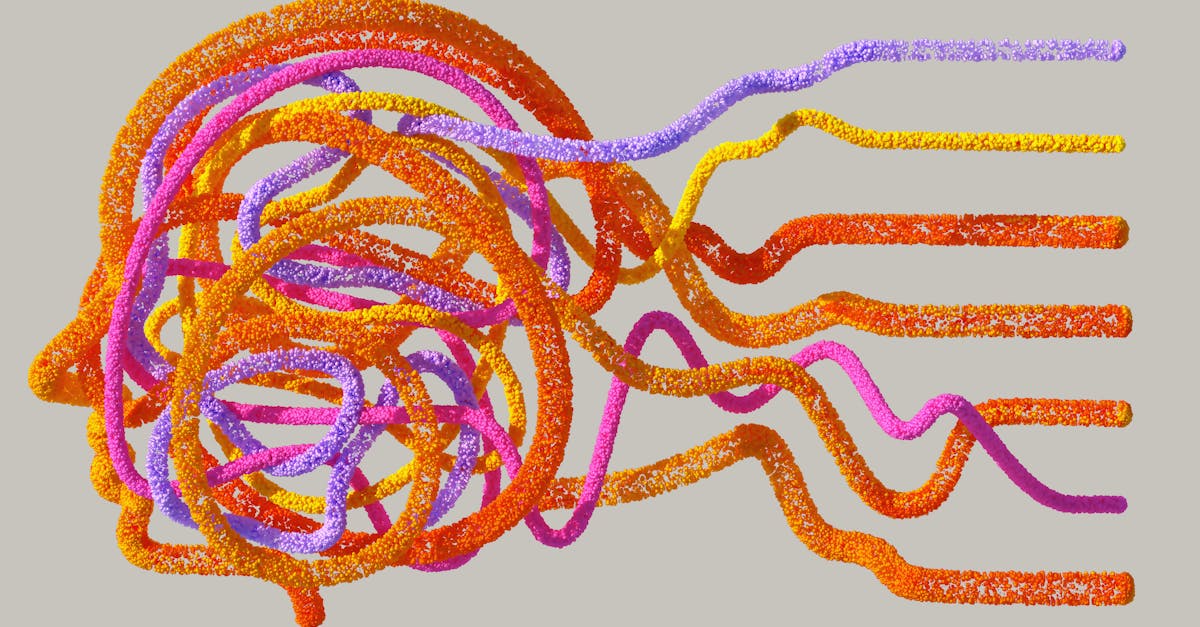
The Midnight Chemical Conversation You’re Ignoring
Let’s get nerdy for a second — but in a fun way. Your gut and your brain are locked in a constant, two-way conversation via the vagus nerve. This isn’t some abstract wellness concept. It’s a physical, electrical highway.
When your gut microbiome is healthy — full of diverse, happy bacteria — it sends calming signals to your brain. It produces GABA, a neurotransmitter that acts like a chill pill for your nervous system. But when your gut is inflamed, overrun with bad bacteria, or suffering from dysbiosis (that’s the fancy term for microbial imbalance), it sends distress signals instead.
Here’s what most people miss: A stressed gut triggers a stress response in your brain. That means more cortisol. More adrenaline. More of that wired-but-tired feeling that makes falling asleep feel like trying to push a boulder uphill.
I’ve seen clients who thought they had anxiety disorders. Turns out, they just had a gut that was screaming for help. Once they fixed their digestion, their racing thoughts vanished.
The 3 Sneaky Ways Your Gut Steals Your Sleep
You might think you’d notice if your gut was sabotaging you. But these signs are subtle. They’re the kind of thing you brush off as just “getting older” or “work stress.”
1. Blood Sugar Rollercoasters at 2 AM Your gut bacteria directly influence how your body processes glucose. When bad bacteria overgrow, they can cause nocturnal hypoglycemia — a drop in blood sugar that jolts you awake with a pounding heart. You wake up gasping, thinking you’re having a panic attack. Nope. It’s your gut microbiome throwing a tantrum.
2. Histamine Overload Certain gut bacteria produce histamine — yes, the same chemical behind allergies. If your gut can’t break down histamine efficiently (due to low DAO enzyme production), it builds up in your system. Result? Nasal congestion, itchy eyes, and restless sleep. You’ve been blaming dust mites. It might be your microbiome.
3. Melatonin Dysregulation Here’s a plot twist: your gut actually produces more melatonin than your pineal gland. But if your gut lining is inflamed, that melatonin production drops. You can take all the supplements you want, but if your gut isn’t making its own, you’re fighting a losing battle.

How I Fixed My Own Gut-Sleep Connection (And You Can Too)
I’m not a doctor. I’m a guy who spent three years feeling like a zombie despite doing all the “right” things. Here’s what actually moved the needle for me — and for hundreds of people I’ve worked with.
Step 1: Kill the Nighttime Snack Habit (Yes, Even the “Healthy” Ones) Eating within three hours of bedtime is like throwing a rave in your stomach while trying to sleep. Digestion requires energy and blood flow. When your gut is busy processing a late-night yogurt or banana, it’s not producing sleep hormones. Your body can’t digest and sleep at the same time. Period.
Step 2: Reintroduce Fermented Foods (Start Slow) Most people miss this because they jump straight to probiotics. But fermented foods like kimchi, sauerkraut, and kefir contain diverse strains of live bacteria that actually colonize your gut. Start with one tablespoon of sauerkraut a day. Your sleep quality should improve within two weeks.
Step 3: Magnesium Glycinate Before Bed I’m not a supplement shill, but this one is a game-changer. Magnesium glycinate relaxes smooth muscles (including your gut lining) and helps regulate GABA. Take 200-400mg about 45 minutes before bed. It’s not a sedative — it just tells your nervous system it’s safe to power down.
Step 4: The 90-Day Low-Inflammatory Diet Here’s the hard truth: if you have leaky gut, you need to remove the offenders. Gluten, dairy, and sugar are the top three. I’m not saying forever. I’m saying for 90 days. After that, you can reintroduce and see what your gut tolerates. Most people discover they can handle dairy but not gluten. Or vice versa. You won’t know until you test.
The Hardest Truth About Gut Health and Sleep
Nobody wants to hear this, but quick fixes don’t work for chronic gut issues. You can’t drink a kombucha and expect perfect sleep tonight. Your gut microbiome is a complex ecosystem that took years to get out of balance. It takes months to restore.
But here’s the motivating part: once you fix your gut, your sleep becomes automatic. You don’t need sleep apps, weighted blankets, or meditation. Your body just… does it. You fall asleep within 10 minutes. You stay asleep. You wake up refreshed.
I’ve seen it happen to people who had insomnia for 20 years. They fixed their gut, and suddenly their sleep was normal. It wasn’t a miracle. It was biology.
Your Turn: One Change, One Week
I want you to try something. For the next seven days, stop eating after 7 PM. Not a single calorie. Just water. Watch what happens to your sleep quality.
Most people report deeper sleep, fewer wake-ups, and less morning grogginess. Why? Because you’re giving your gut a solid 10-12 hours of rest. That’s when it repairs the lining, balances bacteria, and resets your entire system.
If you try this and your sleep improves even a little, you know your gut was the problem. If it doesn’t, you might need to dig deeper into food sensitivities or infections.
But I’m betting it works. Because I’ve seen it work for hundreds of people. Including myself.
Your gut isn’t just about digestion. It’s the command center for your entire body — including your sleep. Treat it right, and it’ll let you rest.