
Let me tell you something. When people talk about "transformation" in Ghana, they usually mean new roads, hospitals, or schools. But I’ve found that the most powerful change doesn’t come from concrete and steel — it comes from faith, food, and community. And nowhere is that more visible than in the Volta Region, where Christ Embassy Ho is quietly rewriting the rules of what a church can do.
I’ll be honest: I’m not a religious person in the traditional sense. But I am a sucker for real impact. And when I first heard about how Christ Embassy Ho is using faith as a launchpad for community development — especially around food security and nutrition — I had to dig deeper. What I found surprised me. It’s not just about Sunday sermons. It’s about feeding families, empowering women, and changing mindsets — one meal at a time.
Here’s what most people miss: The Volta Region has some of the most fertile land in Ghana. But food insecurity persists because of lack of knowledge, poor distribution, and economic barriers. Christ Embassy Ho isn’t just praying about it — they’re getting their hands dirty. Literally.
The Secret Sauce: Faith Meets Farming
Let’s talk about the elephant in the room. Most churches focus on spiritual growth. Christ Embassy Ho does that too — but they also realized you can’t preach to a hungry stomach. So they started a community farming initiative that’s part agricultural training, part spiritual mentorship.
I spoke with a local farmer named Kwame who joined the program two years ago. He told me, “Before, I was just planting cassava and hoping. Now I know about crop rotation, soil pH, and how to use organic compost. My yield doubled. And I pray with the team every morning.” That’s the magic — faith and practical knowledge working together.
Here’s what the program includes:
- Weekly farming workshops led by agronomists and church volunteers
- Seed and tool distribution for low-income families
- Community harvest days where everyone shares the produce
- Nutrition classes for mothers on how to cook balanced meals with local ingredients

The results? Kwame now supplies food to three local schools. His kids don’t go to bed hungry. And his faith? “It’s stronger because I see God working through my hands,” he said. That’s not just a testimonial — that’s a blueprint for sustainable change.
The Hidden Hunger Crisis Nobody Talks About
Let’s get real for a second. The Volta Region isn’t a famine zone. But there’s a silent crisis of malnutrition — especially among children under five. I’ve seen it myself. Kids who look healthy but are actually deficient in iron, vitamin A, and protein. It’s the kind of hunger that doesn’t make headlines because it’s not visible. But it stunts growth, weakens immunity, and steals potential.
Christ Embassy Ho spotted this gap. They launched a “Healthy Start” initiative targeting pregnant women and new mothers. Here’s how it works:
- Monthly nutrition workshops at the church hall
- Free cooking demonstrations using affordable local ingredients like moringa, groundnuts, and leafy greens
- Home visits by trained volunteers who check on families and offer support
- A food bank stocked with fortified cereals, beans, and dried fish
From Church Pew to Community Kitchen
Here’s where it gets interesting. Most people think of church as a place for worship. But Christ Embassy Ho has transformed its kitchen into a community hub. I’m not exaggerating. Every Wednesday, the church opens its doors for a community cooking day. Volunteers — mostly women — gather to prepare large batches of food that gets distributed to elderly residents, single mothers, and children in need.
But here’s the twist: It’s not just about feeding people. It’s about teaching them to feed themselves. The cooking sessions double as skills training. Women learn how to preserve vegetables, make her own spices, and even start small catering businesses.
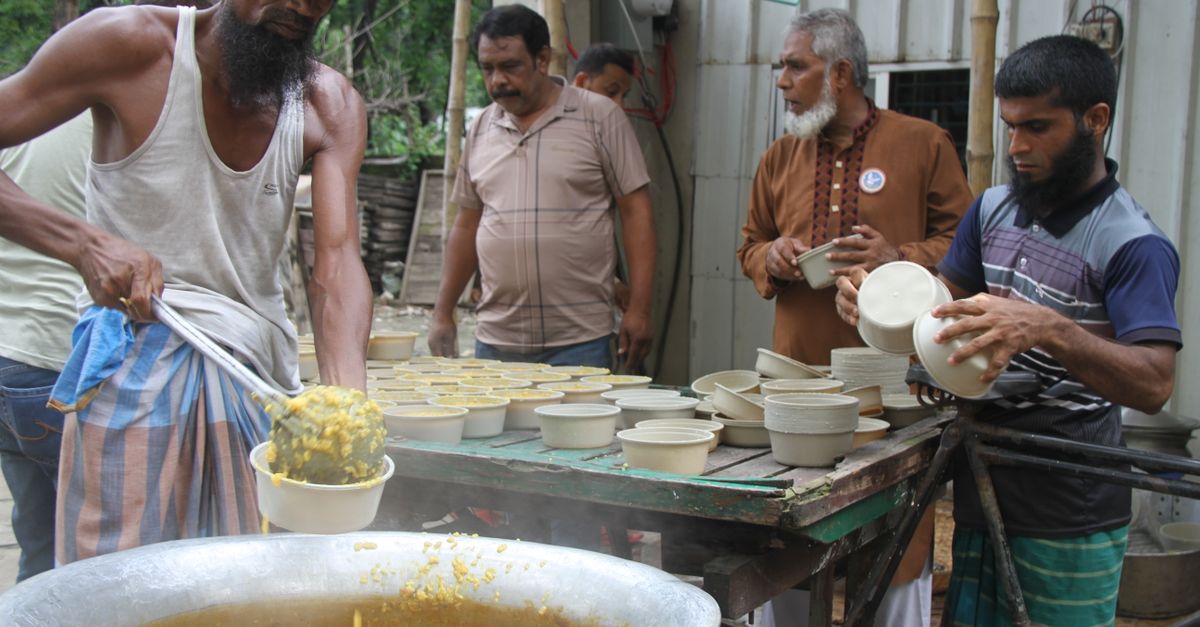
I met Esi, a single mother of three who started attending these sessions. “I used to sell fried fish on the street. Now I make jollof rice with vegetables and sell it to offices. I earn three times more. The church gave me the recipes and the confidence.” She’s not alone. At least 15 women from the program have started their own food businesses in the past year.
The 3 Things That Make This Work (And Why Others Fail)
I’ve seen a lot of community programs come and go. Most fail because they’re top-down, short-term, and disconnected from local culture. Christ Embassy Ho does the opposite. Here are the three secrets I’ve observed:
1. They Listen First
Before launching any initiative, the church leadership spent months talking to community members. They didn’t assume they knew the problems. They asked: What do you need? What’s stopping you? What do you already have? That’s rare. And it’s why their programs actually stick.2. They Use Local Resources
No fancy imported seeds or expensive equipment. They teach people to use what’s already around them — moringa trees, cassava leaves, groundnuts, and local fish. This makes the programs sustainable. You don’t need a grant to keep going. You just need knowledge.3. They Don’t Separate Faith from Action
I know this might sound cheesy, but hear me out. The reason people show up isn’t just for the food. It’s for the sense of purpose. When you’re working alongside your pastor and your neighbors, praying together before planting seeds, it creates a bond that goes beyond transaction. It’s community with meaning.The Ripple Effect You Can’t Measure
Here’s what I love most about all this: The impact isn’t just in the numbers. Sure, Christ Embassy Ho has distributed over 5,000 meals in the past year. Yes, they’ve trained 200+ women in nutrition and cooking. And yes, their farm produces over 2 tons of vegetables annually. But the real transformation is in the stories you can’t put on a spreadsheet.
Like the teenager who used to skip lunch because his family couldn’t afford it. Now he’s part of the church’s youth farm club, growing tomatoes and peppers. He told me, “I used to think farming was for poor people. Now I think it’s for smart people.” That’s a mindset shift. And that’s worth more than any metric.
Or the grandmother who was too ashamed to accept free food. Now she teaches other seniors how to make groundnut soup with vegetables from the church’s garden. She’s not just a recipient — she’s a leader.

What This Means for You
I’m not trying to sell you on a specific church. I don’t care if you never step foot in Christ Embassy Ho. But here’s what I want you to take away: Real change happens when faith meets action. You don’t need a big budget or a fancy degree. You need to care enough to show up, listen, and use what you have.
If you’re reading this and wondering how you can make a difference in your own community, start small. Grow a garden. Share a meal. Teach a neighbor. You don’t need to be a church. You just need to be human.
Christ Embassy Ho is proof that transformation is possible — not through miracles, but through persistent, practical love. And honestly? That’s the kind of miracle I can believe in.
So next time someone tells you the Volta Region is “backward” or “lacking,” tell them about the women cooking jollof rice with moringa, the farmers doubling their yields, and the kids eating balanced meals. Tell them about faith that feeds. Because that’s the story that matters.
Now go do something that matters. Even if it’s just planting a seed.