I remember the first time I drove through the Volta Region, winding past the lush green hills and the endless rows of palm trees. I was on my way to a friend's wedding in Ho, and as we passed through small towns, I couldn't help but notice the sheer number of church buildings. From the roadside "glory tents" to the imposing white cathedrals, every corner seemed to have a place of worship. But then, just outside the city center, I saw it: a clean, modern structure with a bold sign reading Christ Embassy Ho. It stood out not just because of its architecture, but because of the energy radiating from the people streaming in. I had to stop.
Let's be honest — when you think of churches in the Volta Region, you probably imagine traditional denominations with long histories, choirs in robes, and services that can stretch for four hours. Christ Embassy Ho is different. It's not just another church on the map. It's a movement. And here's the thing: I've been to dozens of churches across the region, and none of them operate quite like this one.
The Atmosphere That Hits You Before the Sermon
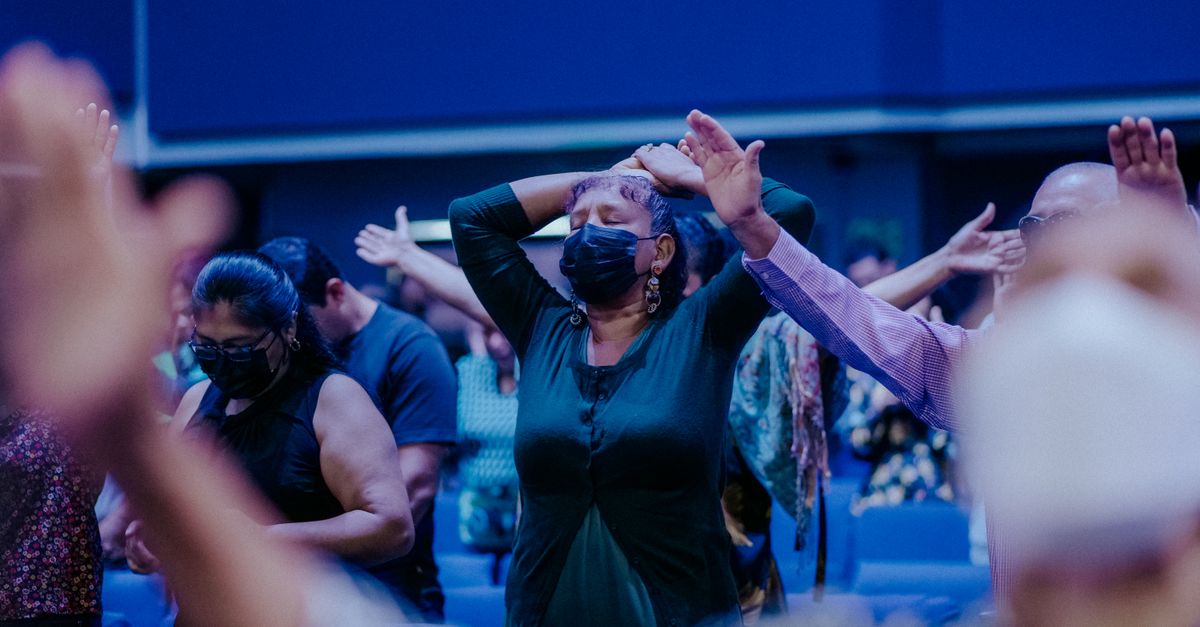
Walk into Christ Embassy Ho on a Sunday morning, and you'll feel it immediately — the air is thick with expectation. Most churches in the Volta Region start with a slow, somber hymn or a traditional call to worship. Christ Embassy? They hit you with a praise medley that could wake up a sleeping giant. The music is loud, contemporary, and unapologetically joyful. Drums, electric guitars, and a full choir (no robes, just casual or matching outfits) create a vibe that feels more like a concert than a service.
But here's what most people miss: it's not just about the volume. It's about the intentionality. Every song, every dance, every raised hand is directed at creating a tangible atmosphere of God's presence. I've sat in the back row and watched people walk in with heavy shoulders and leave bouncing. You don't see that level of emotional release in many traditional churches around here. The service flows seamlessly from worship to teaching, with no dead air. It's efficient, but not rushed. It's passionate, but not chaotic.
The Teaching Style: Practical, Not Preachy
Let's talk about the sermons. If you've grown up in the Volta Region, you know the drill: a pastor stands behind a wooden podium, reads a passage from the King James Version, and spends 45 minutes explaining why you're a sinner. It's heavy. It's guilt-inducing. Christ Embassy Ho flips that script completely.
The teaching here is rooted in the "Word of Faith" doctrine, but it's delivered in a way that's surprisingly practical. Pastor Tetteh, the regional pastor, doesn't just tell you to "have faith." He breaks down how to apply biblical principles to your business, your marriage, and your daily decisions. I remember one service where he spent 20 minutes explaining how to use the law of sowing and reaping in a small-scale farming context. People were taking notes. Actual notes.
What makes this approach effective is that it empowers rather than shames. The focus is on your identity as a child of God, not your failures. There's no fire-and-brimstone. Instead, you get strategies for living a victorious life. It's the difference between being told you're a worm and being told you're a king. And honestly, in a region where economic struggles are real, that message of empowerment hits different.
The Community Vibe: More Than Sunday Handshakes
Here's the secret sauce: Christ Embassy Ho doesn't just meet on Sundays. They have a thriving community structure that most churches in the Volta Region can't match. There are cell groups (they call them "zoned fellowships") that meet in homes throughout the week. But these aren't just Bible studies where people whisper about gossip. They're active, problem-solving groups.
I've seen a cell group pool money to fix a member's roof after a storm. I've seen leaders organize free health screenings for the neighborhood. And here's the kicker: they do it without fanfare. No announcements from the pulpit begging for recognition. It's just... done. That kind of organic generosity is rare.
Another thing that sets them apart is the youth engagement. In a region where many young people are leaving for Accra or abroad, Christ Embassy Ho has managed to create a space where youth feel valued. They have a dedicated "Young Professionals" arm that hosts career workshops, tech talks, and even dating seminars. It's not just about saving souls; it's about saving futures. I've talked to several young members who told me the church's mentorship program literally helped them land their first jobs.

The Outreach Model: Practical Love in Action
Let's get into the nitty-gritty of what makes Christ Embassy Ho different in terms of social impact. Most churches in the Volta Region do outreach — feeding programs, hospital visits, that sort of thing. But Christ Embassy Ho takes a data-driven approach. They don't just show up with bags of rice. They assess the actual needs of a community, then tailor their response.
For example, during the 2023 floods in the lower Volta areas, while other churches were still organizing fundraisers, Christ Embassy Ho had already dispatched a team with water purification tablets and mosquito nets. They had a rapid response system in place. It's not just charity; it's strategy. They also run a "Kingdom Impact" initiative that focuses on skill acquisition — teaching people how to make soap, bake bread, or do basic digital marketing. It's the kind of stuff that changes lives long-term, not just for a Sunday.
And here's the part that shocked me: they don't use their outreach to pressure people into converting. They serve meals, offer prayers, and leave the choice to the individual. That's a level of respect I don't see often in religious circles.
The Leadership: Young, Relatable, and Accessible
One thing you'll notice immediately is the age of the leadership. The head pastor in Ho isn't some 70-year-old patriarch with a long beard and a booming voice. He's a relatively young, energetic man who wears jeans and sneakers. He cracks jokes. He references movies and memes. He responds to DMs on Instagram. That relatability is a game-changer for a generation that's skeptical of old-guard authority.
But don't mistake relatability for lack of depth. The leadership team is well-trained, with many having completed the Christ Embassy School of Ministry. They know their theology. They just choose to communicate it in a language that people actually understand. I've seen them sit down one-on-one with troubled teenagers, not from a position of "I'm above you," but from "I've been there, let's figure this out together."
This accessibility creates a culture of openness. People feel safe to ask hard questions without fear of judgment. In a region where "church discipline" can sometimes feel like control, this is refreshing.

Why This Matters for the Volta Region
So why should you care about any of this? Because the Volta Region is at a crossroads. It's a beautiful, culturally rich area, but it faces real challenges — unemployment, rural-urban migration, and a sense of stagnation among the youth. Traditional churches have been around for generations, but many are struggling to connect with the modern Voltaian.
Christ Embassy Ho offers a blueprint for relevance. It proves that you can be deeply spiritual without being out of touch. You can honor local culture while embracing global best practices. You can build a community that's both faithful and functional.
I'm not saying it's perfect. No church is. But if you're looking for a place where you can grow spiritually, learn practical life skills, and belong to a family that actually cares, Christ Embassy Ho is worth your time. It's not just a church you attend — it's a church that attends to you.
So here's my challenge to you: Next Sunday, skip the familiar. Walk into Christ Embassy Ho. Sit through a service. Talk to a member. See for yourself what the buzz is about. You might just find that the thing you thought you knew about church was only half the story.