
Did you know that skimping on just 90 minutes of sleep for a single night can slash your natural killer cell activity by over 70%? That’s not a typo. Those are the frontline troops of your immune system, the cells that hunt down viruses and even cancer cells. And you can practically disarm them in less time than it takes to watch a rom-com. Let that sink in for a second.
I’m Mei Song, and I’ve spent the last decade obsessing over the weird, wonderful, and often overlooked ways our daily habits shape our health. And if there’s one thing that keeps me up at night (ironically), it’s how casually we treat our sleep. We wear our exhaustion like a badge of honor, chugging caffeine to mask the damage. But the science is screaming at us: your bedtime routine isn’t just about feeling rested — it’s your body’s most powerful, non-negotiable immune booster. Let’s pull back the curtain on the hidden war inside your body every night.
The Midnight Army: Why Your Immune System Goes Rogue Without Sleep
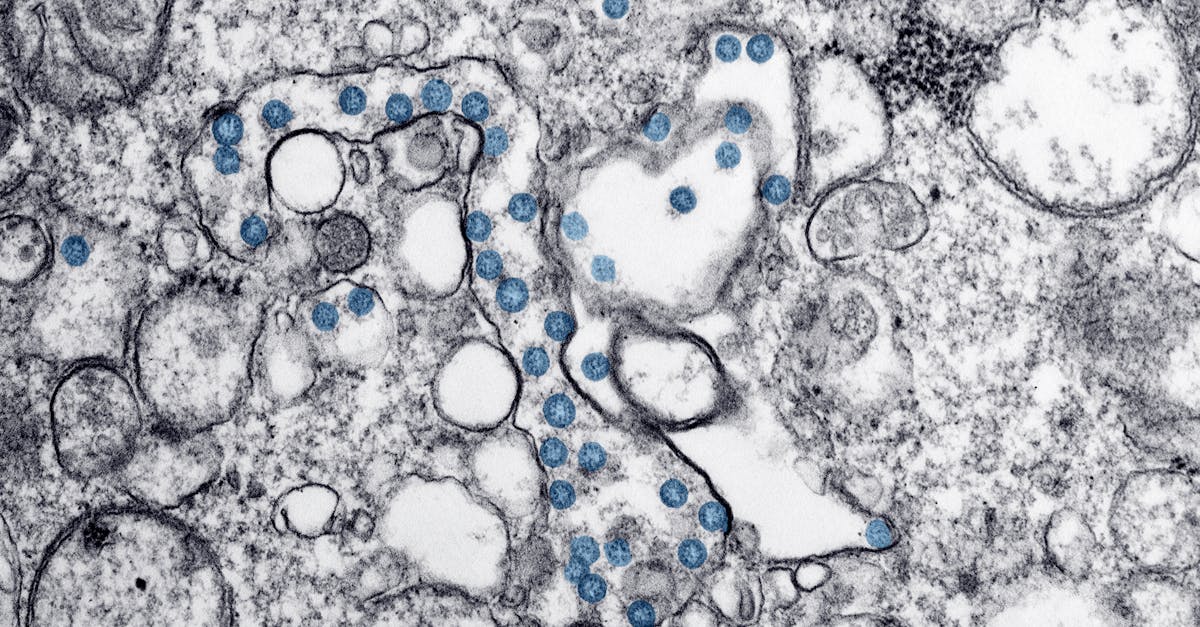
Here’s what most people miss: sleep isn’t a passive state where your body just “chills out.” It’s an active, highly coordinated military operation. While you’re dreaming, your immune system is doing triage, reconnaissance, and heavy artillery training.
Think of your body as a city. During the day, the city is open for business — you’re eating, working, interacting. But at night, the cleanup crew comes out. Deep sleep triggers the release of cytokines — these are the signaling proteins that direct your immune response. Some cytokines are pro-inflammatory (they call in the troops to fight an invader), and others are anti-inflammatory (they calm things down after the battle is won). Without enough quality sleep, your cytokine production goes haywire. You end up with either a chronically inflamed system (hello, autoimmune issues) or a suppressed one (hello, every cold your coworker brings in).
I’ve found that the most shocking part is the memory formation of your immune system. During REM sleep, your brain processes memories. But your immune system does something similar — it remembers the pathogens it fought during the day and creates long-lasting antibodies. No sleep? No immune memory. You’re basically fighting the same battle over and over.
The 3 Silent Assassins in Your Bedroom Right Now
Let’s be honest — we all know we should sleep more. But the problem isn’t willpower. It’s environment. Your bedroom might be a germ warfare training ground for your immune system, and you don’t even realize it.
1. The Blue Light Time Bomb
You’ve heard it before, but I’m going to say it louder for the people in the back: blue light from screens suppresses melatonin production by up to 50%. Melatonin isn’t just the “sleep hormone” — it’s also a powerful antioxidant that directly supports your immune cells. When you scroll TikTok in bed, you’re not just delaying sleep. You’re robbing your body of a key immune regulator. I keep my phone in the kitchen now. It’s annoying. It’s also non-negotiable.2. The Temperature Trap
Your body needs a drop in core temperature to initiate and maintain deep sleep. If your room is above 70°F (21°C), you’re fighting your biology. A cooler room (around 65°F) signals your body to produce more melatonin and growth hormone — both critical for repairing immune cells. I sleep with a fan on even in winter. My husband thinks I’m insane. My immune system thanks me.3. The Hidden Cortisol Spike
Here’s the secret most wellness influencers won’t tell you: irregular sleep schedules spike cortisol. Cortisol is your stress hormone, and in small doses, it’s fine. But when you’re sleeping at 10 PM one night and 2 AM the next, your adrenal glands freak out. Chronically elevated cortisol directly suppresses the activity of T-cells and antibodies. Your immune system basically goes, “We’re under siege! Oh wait, it’s just Tuesday. Never mind.” And then it forgets to fight the actual virus.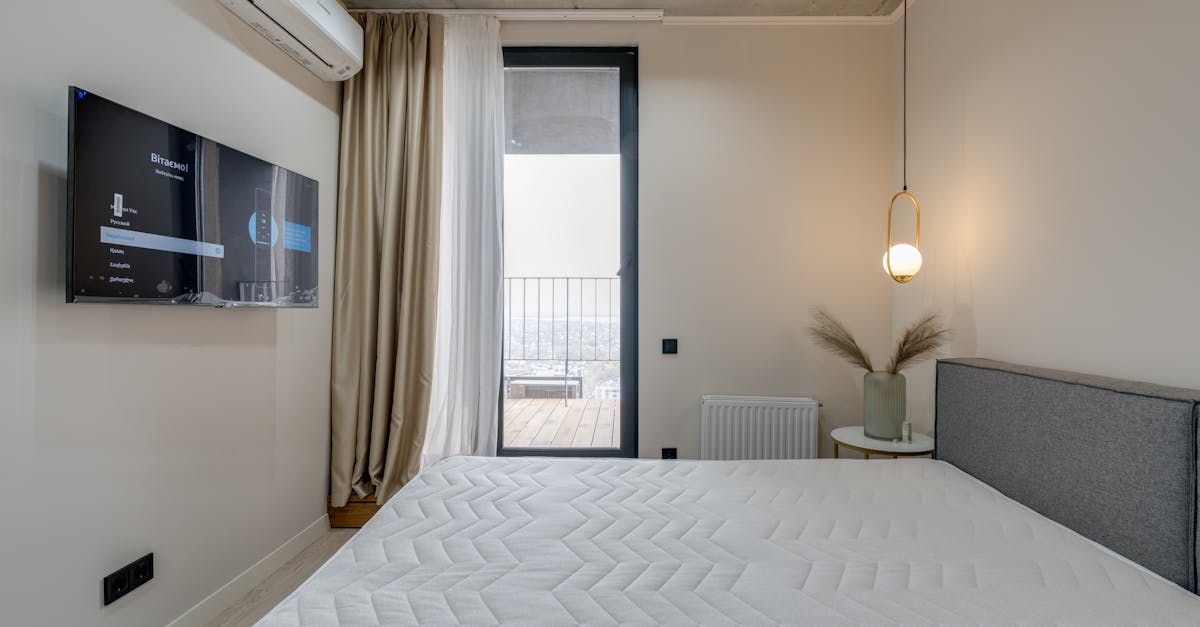
The Hidden Gold: Your Bedtime Routine as a Prescription
I used to think a “bedtime routine” was something you did for toddlers or influencers selling lavender spray. But the science is crystal clear: a consistent, intentional wind-down routine is one of the most effective immune interventions you can make.
Why? Because your body craves predictability. When you do the same things in the same order every night, you’re training your nervous system to downshift from “fight or flight” to “rest and digest.” This activates the parasympathetic nervous system, which directly lowers inflammation and boosts immune surveillance.
Here’s what I do, and it’s not complicated:
- 90 minutes before bed: No screens. Period. I read a physical book or listen to a podcast (not a video).
- 60 minutes before bed: I take a warm bath or shower. The rapid cooling afterward triggers a temperature drop that signals sleep onset.
- 30 minutes before bed: I do a simple breathing exercise — 4 seconds in, 6 seconds out. It lowers heart rate and cortisol.
- Lights out: Pitch black. No nightlights. No charging LEDs.
The 7-Day Immune Sleep Reset
If you’re thinking, “Mei, this sounds great, but I have a life,” I hear you. That’s why I’m giving you a 7-day challenge that doesn’t require perfection. Just progress.
- Day 1-2: Move your phone charger out of the bedroom. Buy a $10 alarm clock. This alone will change your life.
- Day 3-4: Drop your thermostat by 3 degrees. Wear socks if you’re cold. Trust me, your body will thank you.
- Day 5-6: Add a 5-minute wind-down ritual — even just stretching or journaling. Consistency beats intensity.
- Day 7: Go to bed at the same time as you did on Day 1. Compare how you feel. Notice the difference in your energy and clarity.

The Final Truth: You Can’t Out-Supplement Bad Sleep
Here’s where I get real with you. I’ve tried every adaptogen, every mushroom blend, every vitamin C megadose. And you know what? None of them work if you’re sleep-deprived. Your body can’t absorb nutrients effectively when it’s in a state of chronic stress and inflammation. You could drink green juice all day, but if you’re running on 5 hours of broken sleep, your immune system is still fighting with one hand tied behind its back.
The most powerful immune-boosting supplement in existence is completely free. It’s called deep sleep. And you’ve been overlooking it.
So tonight, when you’re tempted to watch “just one more episode” or check your work email one last time, remember this: you’re not just choosing between sleep and productivity. You’re choosing between a fortified immune system and a vulnerable one. Your body is literally rebuilding its defenses while you dream. Don’t rob it of that chance.
Now go to bed. Seriously. Your immune system is waiting.