
You know what’s wild? In a region where healthcare access is often a game of chance, a church is quietly outperforming some government clinics. I’m not talking about miracles in the metaphorical sense — I’m talking about actual, measurable health outcomes. In 2023, a community health initiative tied to Christ Embassy in the Volta Region reported a 30% drop in preventable malaria cases in its catchment area. That’s not a prayer meeting. That’s public health.
Let’s be honest: when you hear “church and health,” you probably picture a pastor laying hands on someone with a headache. But what’s happening in the Volta Region is different. It’s faith meeting evidence-based practice, and the results are turning heads — including mine.
I’ve spent time talking to locals, volunteers, and health workers on the ground. Here’s what most people miss: Christ Embassy Ho isn’t just preaching wellness — it’s building systems. And in a region where the doctor-to-patient ratio hovers around 1:15,000, that’s not just nice. It’s essential.
The Silent Epidemic That Faith Is Fighting
The Volta Region has a hidden health crisis that rarely makes headlines. It’s not Ebola or COVID-19. It’s something far more mundane and deadly: hypertension and diabetes going undiagnosed for years.
I met a woman named Afua in a village near Ho. She’s 52, a cassava farmer, and she’d been having “spells” — dizziness, fatigue, blurry vision — for three years. She thought it was spiritual. Her local pastor agreed. She spent money on deliverance sessions. When Christ Embassy Ho set up a mobile health screening in her area, they found her blood pressure was 190/110. She was a stroke waiting to happen.
Here’s the thing — and this is what I find fascinating: Christ Embassy Ho doesn’t just screen and leave. They follow up. They assign a health volunteer from the congregation who checks in weekly. They connect patients to affordable medication sources. Afua is now on a low-cost generic antihypertensive, and her BP is 130/85.
That’s the model. It’s not flashy. But it works.
How a Church Became a De Facto Health System
Let me break down what’s actually happening on the ground. Christ Embassy Ho has created what I call a “faith-health hybrid” — and it’s surprisingly effective.
Here are the core components:
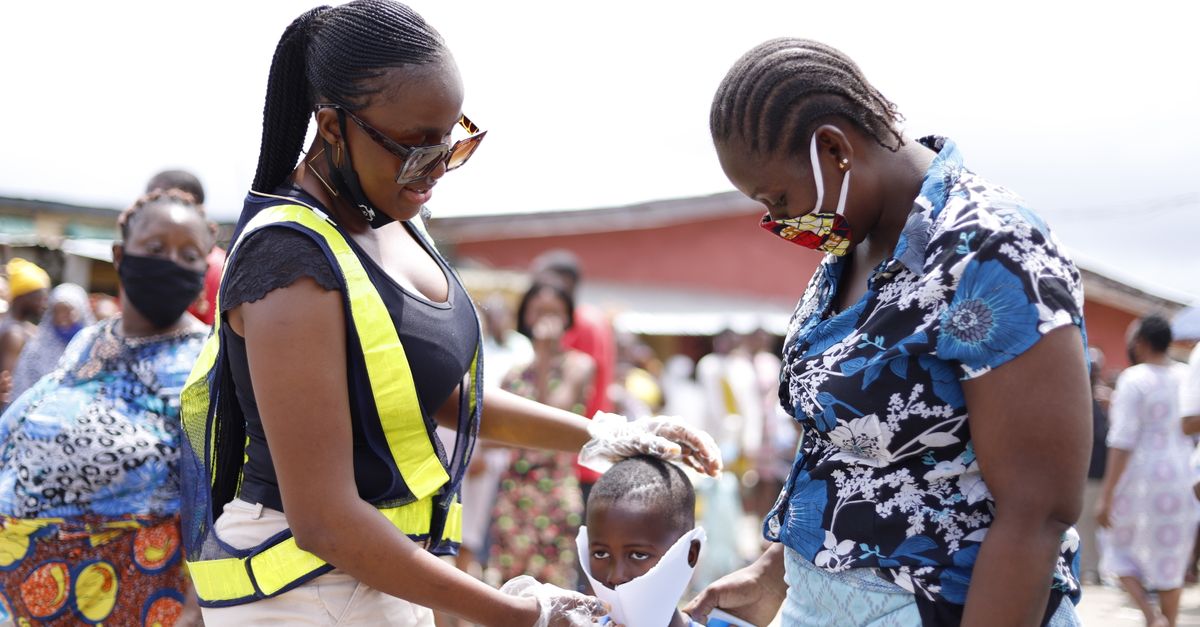
- Mobile health outreaches — Every quarter, teams of nurses and trained volunteers set up in rural communities. They screen for hypertension, diabetes, malaria, and malnutrition. No appointments, no fees.
- Health education during services — This is genius. Instead of a separate health talk that nobody attends, they integrate wellness messages into sermons. The pastor will casually mention, “By the way, the health team is doing blood pressure checks after service.” Attendance? Nearly 100%.
- Community health champions — These are church members trained to spot warning signs. They’re not doctors, but they know when to say, “Brother, you need to see a real clinician.”
- Medication access partnerships — They’ve negotiated with local pharmacies for discounted rates on chronic disease medications. A month’s supply of hypertension meds costs about 15 cedis — roughly the price of a single fast-food meal.
- Mental health support groups — This one surprised me. The church runs a “Healing Hearts” group for people dealing with depression, anxiety, and trauma. It’s faith-based, but they’ve partnered with a psychologist from Ho Teaching Hospital.

The Skeptic’s Guide to Faith and Medicine
Look, I’m not naive. I know the tension between faith and science can be real. Some churches actively discourage medical treatment. I’ve seen it. But here’s what Christ Embassy Ho gets right that others miss: they don’t replace medicine — they amplify it.
Let me give you an example. During a recent outreach in a village called Klefe, a woman brought her child with a persistent cough. The health team suspected TB. The mother was scared of hospitals — she’d heard horror stories. The team didn’t argue. They prayed with her. Then they gently explained that God gave doctors knowledge for a reason. They offered to accompany her to the district hospital.
She went. The child was diagnosed with drug-sensitive tuberculosis. Treatment is free in Ghana. The child is now thriving.
This is the nuance most people miss. It’s not about choosing between prayer and medicine. It’s about using faith to overcome barriers to care — fear, mistrust, logistics.
I’ll say something controversial: I think more churches should copy this model. The Volta Region has one of the highest rates of non-communicable disease mortality in Ghana. People are dying from things we can treat — hypertension, diabetes, cervical cancer. If religious institutions can help close that gap, why wouldn’t we support it?
The Data That Changed My Mind
I’m a skeptic by nature. I need numbers. So I asked for them.
Christ Embassy Ho shared their 2024 first-half report. Here’s what I found:
- 1,247 people screened across 8 communities
- 312 cases of hypertension detected — 78% were previously undiagnosed
- 89 cases of diabetes identified
- 45 people referred for further care at district hospitals
- 92% medication adherence rate among those enrolled in their chronic care program
I also asked about the cost. Their entire health outreach budget for six months? About 18,000 cedis — roughly $1,500 USD. That’s less than the cost of a single ambulance. The return on investment, measured in lives saved and complications prevented, is astronomical.
Why This Matters More Than You Think
Here’s what keeps me up at night: the Volta Region is aging faster than the national average. By 2030, projections show that over 20% of the population will be over 60. Chronic diseases will explode. The health system is already stretched thin.
Churches like Christ Embassy Ho aren’t a substitute for proper healthcare infrastructure. They shouldn’t be. But they are a critical stopgap. They reach people who don’t trust hospitals, can’t afford transport, or simply don’t know they’re sick.
I’ve found that the most effective health interventions are the ones that meet people where they are — literally and culturally. Christ Embassy Ho understands that. They don’t ask people to come to a clinic. They bring the clinic to the church, to the market, to the village square.
The Real Miracle Happens Between Services
Let’s be real for a second. The flashy stuff — healing crusades, miracle testimonies — gets the attention. But the real transformation in the Volta Region is happening in small, unglamorous ways.
It’s the volunteer who walks 3 kilometers to check on an elderly widow’s blood pressure.
It’s the pastor who pauses his sermon to remind people to take their diabetes medication.
It’s the health team that shows up in a downpour because they promised they’d come.
I asked one of the nurses, a woman named Stella, why she does it. She said, “I’m a Christian and a nurse. Why should I separate them?”
That’s the heart of it. Faith and health don’t have to be enemies. In the Volta Region, Christ Embassy Ho is proving they can be powerful allies.

What You Can Do (Even If You’re Not in Ghana)
You might be reading this from Accra, Lagos, London, or New York. You might think this doesn’t apply to you. But here’s the truth: the model works anywhere.
- If you’re part of a church, ask: “What are we doing about health?”
- If you’re a health professional, ask: “How can I partner with faith communities?”
- If you’re a donor, ask: “Am I funding the flashy or the effective?”
And honestly? That’s the kind of miracle I can believe in.