
Let me tell you something: the plant-based protein aisle is starting to look less like a health food section and more like a battlefield. Walk into any grocery store in 2024, and you’re bombarded with options. Pea protein, soy curls, jackfruit shreds, mycoprotein nuggets, and lab-grown foam that claims to bleed. Everyone’s fighting for a spot in your shopping cart, and honestly? It’s exhausting. But here’s the secret most people miss: not all meat alternatives are created equal. Some will change your life. Others will change your bathroom schedule. Let’s break down which contender truly reigns supreme this year.
The Soy vs. Pea Showdown: The Heavyweights
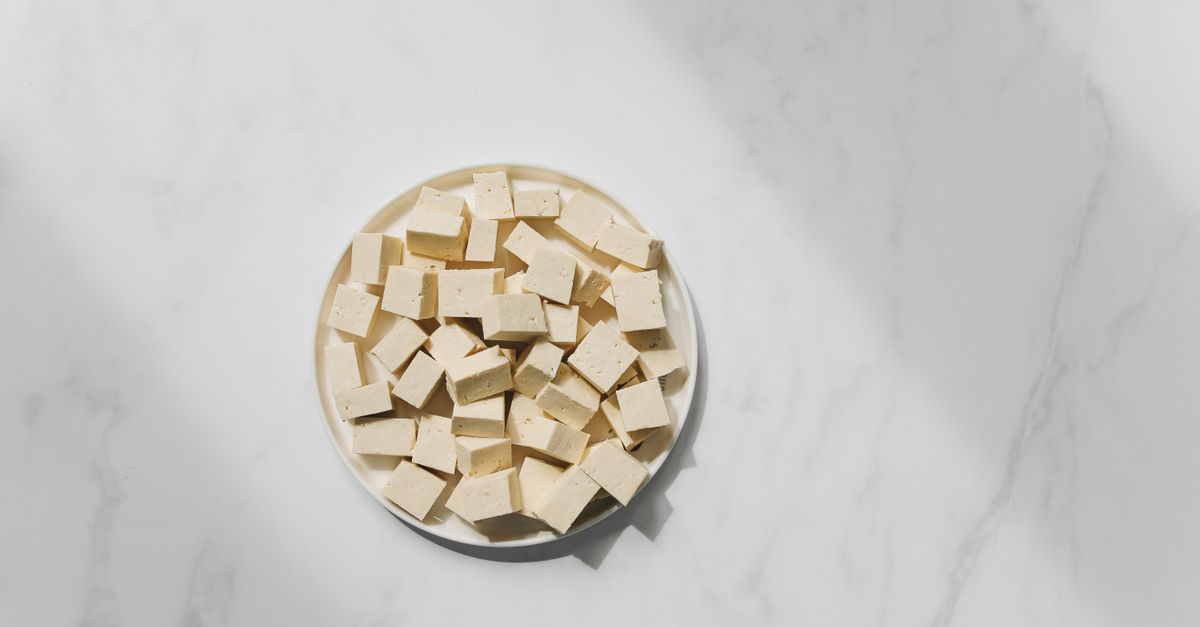
You can’t talk plant-based protein without acknowledging the two titans: soy and pea. For years, soy was the undisputed king. Tofu, tempeh, edamame — it was the foundation of vegetarian diets for decades. Then came the pea protein revolution. Beyond Meat and Impossible Foods built their empires on yellow pea protein isolate. And suddenly, soy became the “old guard.”
I’ve found that soy gets an unfair reputation. People still whisper about “soy boy” memes and estrogen myths, even though science has thoroughly debunked that nonsense. Soy is a complete protein — it contains all nine essential amino acids. Pea protein isn’t quite complete on its own; it’s low in methionine. But here’s the trick: when you combine pea with rice protein (which is high in methionine), you get a full profile. Most brands do this, but not all. So if you’re eating plain pea protein powder without checking the label, you might be shortchanging your muscles.
But here’s where pea wins in 2024: digestibility. I’ve spoken to dozens of readers who swear soy bloats them. Pea protein tends to be gentler on sensitive stomachs. Plus, pea is more sustainable — it requires less water and fixes nitrogen in the soil. Soy farming, especially in the Amazon, has deforestation issues. So if you care about the planet, pea has a slight edge. But if you care about texture? Soy still smokes pea in things like stir-fries and scrambles.
The Mycoprotein Glow-Up: Quorn’s Quiet Comeback
Remember Quorn? That weird fungus-based stuff your aunt served at Thanksgiving in 2005? It’s back, and it’s better than ever. Mycoprotein is made from Fusarium venenatum, a naturally occurring fungus. It’s grown in fermentation tanks, harvested, and turned into nuggets, grounds, and fillets. Here’s what most people miss: mycoprotein is one of the few meat alternatives that actually feels like chewing meat. It has that slight springiness, that fibrous pull.
But let’s be honest — Quorn has a texture problem. Some batches come out rubbery. Others crumble into dust. And if you’re allergic to mold (yes, that’s a thing), you’ll have a bad time. However, in 2024, Quorn released a new line of “Chik’n” products that are shockingly good. I tried the spicy patties last month, and I genuinely couldn’t tell the difference from a fast-food chicken sandwich. The protein content is solid — around 15 grams per serving — and it’s low in saturated fat.
The catch? Mycoprotein isn’t a complete protein on its own. It’s low in methionine and cysteine, just like pea. But Quorn fortifies their products with egg white or potato protein to compensate. So if you’re vegan, check the label — some products aren’t. For omnivores looking to reduce meat without sacrifice, mycoprotein is your dark horse champion.
Jackfruit: The Imposter Everyone Loves
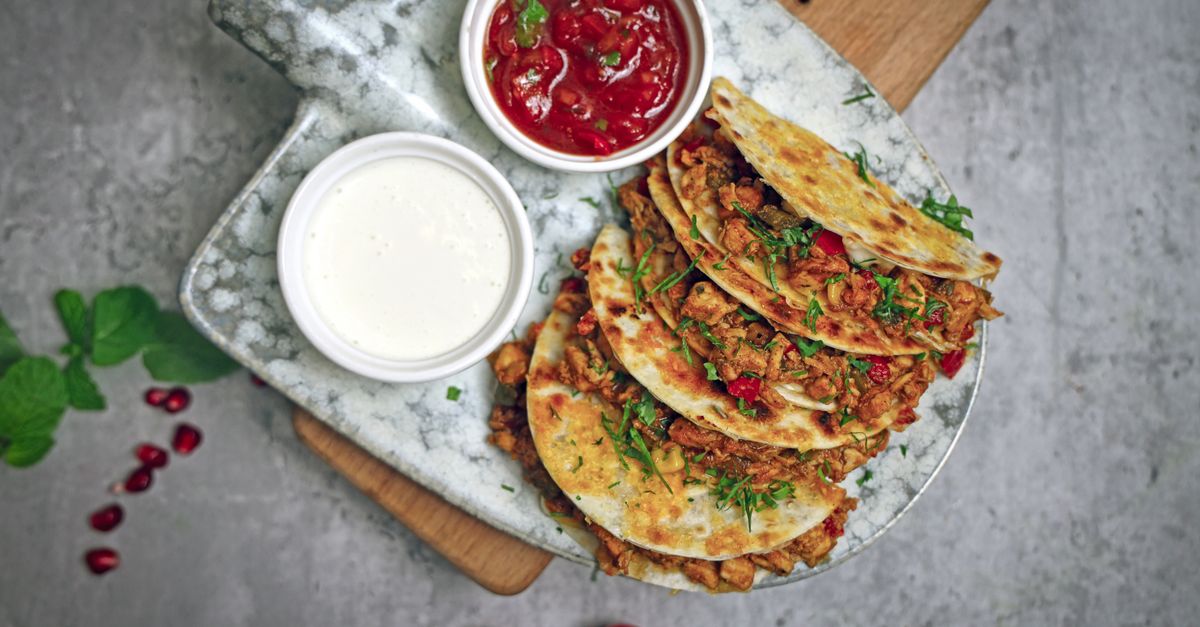
Jackfruit is the ultimate trickster. It looks like shredded pork. It has a mild, slightly sweet flavor that soaks up sauce. People go wild for jackfruit tacos and barbecue sandwiches. But here’s the truth jackfruit fans don’t want to hear: it’s barely a protein source. A cup of jackfruit has about 3 grams of protein. That’s less than a tablespoon of peanut butter. You’re eating mostly carbs and water.
I’ve found that jackfruit works best as a texture additive, not a protein replacement. If you’re making a mixed dish with beans, lentils, or tofu, jackfruit adds that pulled-meat feel without contributing much nutritionally. But if you’re relying on jackfruit as your main protein source? You’ll be hungry in an hour, and your muscles won’t be happy.
In 2024, jackfruit’s popularity is fading as more people actually read nutrition labels. Brands are now blending jackfruit with pea protein or soy to create hybrid products. The Young Jackfruit Co. released a “protein-packed” version last spring that has 12 grams per serving — a huge improvement. But pure jackfruit? It’s a flavor win, a nutrition fail. Use it sparingly.
The Lab-Grown Elephant in the Room: Cultivated Meat
We can’t have this conversation without addressing the elephant — or rather, the lab-grown cow. Cultivated meat is made by taking animal cells and growing them in a bioreactor. It’s not plant-based, but it’s often lumped into the “alternative protein” category. In 2024, Singapore and the US have approved a handful of products. But here’s what most people miss: it’s not ready for your dinner table.
The cost is astronomical. A single cultivated chicken breast can run $15–$20, and that’s before retail markup. The texture is… weird. I tried a sample at a food tech conference, and it had the mouthfeel of overcooked hospital chicken. Plus, the environmental impact isn’t as clean as advocates claim. The energy required to run sterile bioreactors 24/7 can rival factory farming’s carbon footprint, depending on the energy source.
I’m rooting for the technology — I really am — but in 2024, cultivated meat is a curiosity, not a contender. Maybe by 2030. For now, stick with the plants.
The 2024 People’s Champion: Hemp and Pumpkin Seed
Here’s the surprise winner that most blogs won’t tell you about: hemp hearts and pumpkin seed protein. These underdogs have quietly become my go-to. Hemp hearts have a perfect 3:1 ratio of omega-6 to omega-3 fatty acids — better than any other plant protein. They’re a complete protein, easy to digest, and taste nutty and pleasant. Pumpkin seed protein is high in zinc and magnesium, which is rare in the plant world. Plus, it’s hypoallergenic — no soy, no gluten, no dairy, no pea.
I’ve found that blending hemp and pumpkin seed powder into smoothies or oatmeal gives me sustained energy without bloating. The only downside? They’re expensive. A bag of hemp hearts costs about $12 for 12 ounces. But if you can afford the splurge, it’s worth it. In 2024, more brands are featuring these seeds as primary ingredients, so prices are slowly dropping.

The Final Verdict: Which One Should You Actually Buy?
Here’s my take after testing dozens of products this year. For everyday cooking and muscle building, stick with soy or pea protein blends. They’re affordable, accessible, and proven. For texture and flavor, try mycoprotein (Quorn) or jackfruit hybrids. For nutrition density, go with hemp or pumpkin seed. For novelty, keep an eye on cultivated meat, but don’t waste your money yet.
The plant-based protein war isn’t about one winner. It’s about having options that fit your body, your budget, and your taste buds. The real victory? You can eat less meat without sacrificing anything. So next time you’re staring at that bewildering aisle of boxes and bags, remember: you’re not choosing a side. You’re choosing what works for you. And that’s the only war worth winning.
Now go cook something delicious.