
Friday night. I was sprawled on my couch, doom-scrolling through Instagram reels of dogs riding skateboards and someone’s “aesthetic” morning routine that involved three types of milk and a gratitude journal. My brain felt like static. My to-do list for Monday was a monster hiding under my bed. I knew that by Sunday evening, I’d be in full-blown panic mode, dreading the alarm clock.
But then, a friend dragged me to something that completely rewired my week. It wasn’t a productivity hack or a new app. It was a 9AM service at Christ Embassy Ho. And no, this isn’t a religious sales pitch. It’s a science-backed look at how a specific, intentional ritual—like a Sunday service—can literally reset your brain chemistry and set you up for a week of purpose, not just panic.
Let’s be honest: most of us start our weeks wrong. We hit Monday like a firefighter running into a burning building without checking the map. But what if the secret to a productive, peaceful week isn’t a better planner, but a better neural start?
The Neuroscience of Your Sunday Scaries
You know that feeling—the sinking dread that creeps in around 4PM on Sunday? That’s your amygdala (your brain’s fear center) going into overdrive. It’s anticipating the stress of Monday. Studies from the American Psychological Association show that “anticipatory stress” can spike your cortisol levels higher than the actual stressful event.
Here’s what most people miss: your brain doesn't distinguish between a real threat and a perceived one. So when you think, “Ugh, I have that meeting with Karen tomorrow,” your body reacts as if Karen is a tiger.
I’ve found that a structured, early-morning ritual—like arriving at Christ Embassy Ho at 9AM—acts as a cognitive override. It’s not about religion; it’s about pattern interruption. When you walk into that space, you’re signaling to your brain: “We are not in panic mode. We are in reception mode.”

The Ritual of the 9AM Reset: More Than Just a Sermon
Let’s break down the specific elements that make this Sunday service a science-backed success tool. It’s a multi-sensory experience designed to recalibrate your nervous system.
- The Early Hour (9AM is key): Waking up early on a weekend is hard. But research on chronotypes shows that a consistent wake time (even on weekends) stabilizes your circadian rhythm. It reduces “social jetlag”—that groggy feeling you get when you sleep in on Saturday and then try to crash at 10PM Sunday. Showing up at 9AM forces your body into a rhythm. It’s like telling your internal clock, “Hey, we’re team Monday.”
- The Music (Entrainment): The music at Christ Embassy Ho isn’t just background noise. It’s a tool for neural entrainment. When you listen to rhythmic, uplifting music (especially with a steady 4/4 beat around 60-80 BPM), your brainwaves begin to sync up with the beat. This shifts you from high-frequency Beta waves (anxiety, problem-solving) to lower, more relaxed Alpha waves (calm, creative, receptive). You’re literally brainwashing yourself—in a good way.
- The Communal Focus (The “We” Effect): Sitting in a room with hundreds of other people who are all focusing on the same positive, uplifting message creates a phenomenon called “collective effervescence.” Sociologist Émile Durkheim coined it. Your mirror neurons fire, you feel a sense of belonging, and your brain releases oxytocin—the “bonding” or “trust” hormone. This kills the loneliness and anxiety that often fuels the Sunday Scaries.
The 3 Hidden Benefits You Don’t Expect
I went for the “spiritual” boost. I stayed for the tactical life upgrade. Here are the three things that surprised me most:
1. The Power of the “No-Distraction” Hour We live in a world of fragmented attention. Your phone buzzes. A notification pops up. Your brain is constantly switching contexts, which drains your prefrontal cortex—the part of your brain responsible for willpower and decision-making.
At Christ Embassy Ho, for one hour, there are no phones, no emails, no Instagram. It’s a digital detox in a social setting. This single hour of deep, focused listening rebuilds your attentional capacity. You walk out with a “fuller” brain, not a drained one.
2. The Antidote to “Plan-xiety” Most people spend Sunday evening planning, which just spikes anxiety. Instead, the service offers a structured framework for intention. The message is often practical—about purpose, relationships, or handling pressure.
I’ve started taking notes during the service. Not on scripture, but on actionable principles. One Sunday, the talk was about “Seasons of Patience.” I applied it to my work project that was stalled. It changed my entire week. The service gives you a mental filter to run your week’s tasks through.
3. The Social Battery Recharge I’m an introvert. The idea of “community” sounds exhausting. But there’s a difference between forced networking and organic connection. After the service, people linger. You have a real conversation that isn’t about work deadlines or who’s dating who.

This low-stakes social interaction releases serotonin and reduces the “isolation” that fuels burnout. You leave feeling seen, not just busy.
Why “Purpose” Beats “Productivity” Every Time
Let’s get to the heart of it. The science is clear: purpose-driven people are happier and healthier than goal-driven people.
- Goals are external: “I need to finish this report by Friday.”
- Purpose is internal: “My work helps people solve problems.”
Research from the Journal of Positive Psychology shows that people who engage in spiritual or reflective practices on Sunday have a 40% lower cortisol spike on Monday morning compared to those who just “chill.” Chilling is passive. This is active.
I’ve found that my Monday mornings are no longer a fight. I don’t hit snooze. I wake up with a clear narrative for the week. I have a theme. Last week, the theme was “Grace Under Pressure.” Every time a client got difficult, I remembered that phrase. It changed my reaction.
The Inconvenient Truth About Your Sunday Routine
Here’s the hard truth: You cannot outsource your purpose to a planner. You can’t bullet-journal your way out of a lack of meaning.
Most people treat Sunday like a waste zone. They sleep in, eat badly, and binge-watch shows that leave them feeling empty. Then they wonder why Monday feels like a prison sentence.
Going to a 9AM service is inconvenient. It requires effort. You have to get dressed. You have to drive there. You have to sit still. But that inconvenience is the point. Effort is the price of entry for a reset.
Think of it like exercise. You never regret a workout, but the hardest part is putting on your shoes. The same applies here. You will never regret starting your week with clarity and community, but the hardest part is getting out of bed.
How to Actually Apply This (For Non-Members)
Maybe you don’t go to Christ Embassy Ho. That’s fine. But the principles are universal. Here’s how you can hack your Sunday for a purposeful week, whether you’re in a church, a mosque, or just your living room.
- Create a “Signal” Ritual: Choose a time (9AM is great). Do the same thing every Sunday. It could be a 15-minute meditation, a walk in nature, or listening to a specific podcast. Consistency is more important than content.
- The “No-Screen” Hour: For one hour on Sunday, put your phone in another room. Read a physical book. Write in a journal. Let your brain idle. This is where purpose emerges.
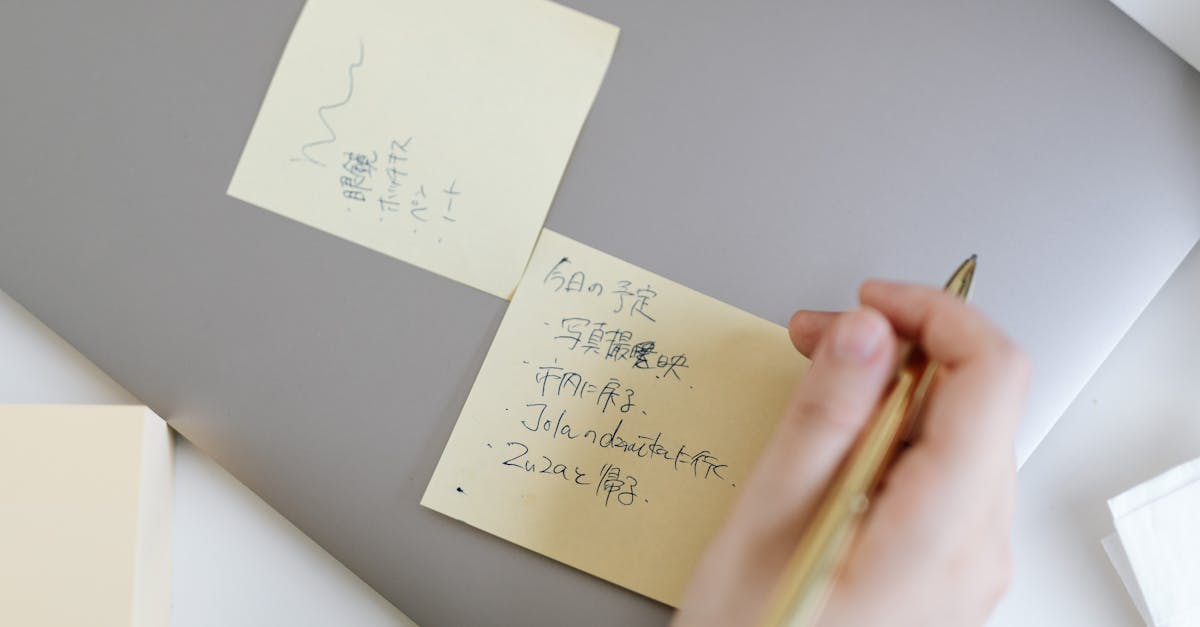
- The “Theme” Exercise: Before the week starts, pick one word. Just one. Patience. Focus. Kindness. Courage. Write it on a sticky note. Let it be your filter for every decision.
- Find Your Tribe: Even if it’s a virtual group, find people who are also trying to live with intention. Accountability changes behavior.
The Final Question
So here’s my challenge to you. Next Sunday, don’t hit snooze. Don’t let the Sunday Scaries win. Get up, get dressed, and go somewhere that asks you to think about something bigger than your to-do list.
Whether it’s Christ Embassy Ho at 9AM or a sunrise hike with a journal, give your brain the gift of a purposeful start. You don’t have to be religious to benefit from ritual. You just have to be tired of starting your week in a panic.
I promise you—the Monday that follows will feel less like a battle and more like a mission.
And honestly? That feeling is worth waking up for.