
Let me tell you something—I never thought I’d be the guy defending the concept of holding a teacup with your pinky out. But here we are, in 2025, and I’ve somehow become a semi-apologist for Victorian-era table manners. Why? Because Bridgerton happened, and it didn’t just change how we dress for brunch—it rewired our collective brain about what “class” even means.
You’ve seen the memes. The corsets. The scandalous glances over a fan. But what most people miss is the quiet, seismic shift happening in real life: period dramas are sparking a global revival in classic etiquette. And I’m not talking about some stuffy, outdated rulebook. I’m talking about a genuine, modern hunger for manners, grace, and the kind of social friction that makes life interesting.
Let’s dive into the weird, wonderful reason why everyone from Gen Z to your grandma is suddenly practicing the art of the polite letter.
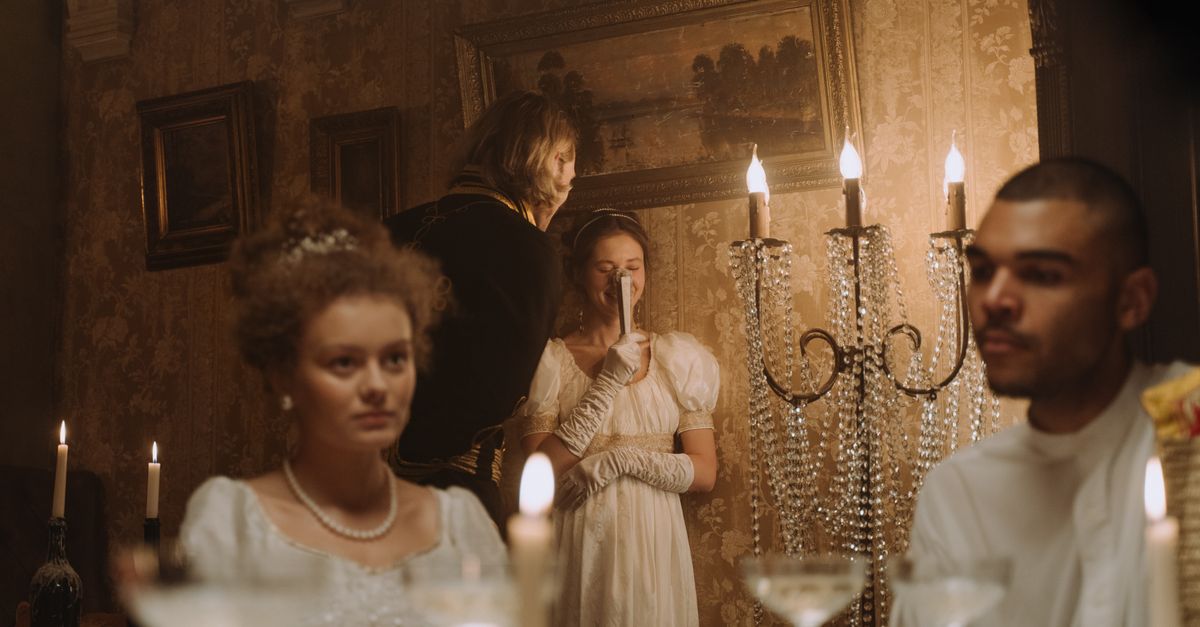
The Secret Sauce Behind the "Bridgerton Effect"
Here’s what most people miss: it’s not just about the costumes. It’s about the rules. In our chaotic, notification-driven world, there’s something deeply satisfying about a world where every glance, every gesture, every word has a meaning. Bridgerton didn’t just show us pretty people in pretty clothes—it showed us a society where etiquette was a survival skill.
Think about it. In the Regency era, knowing which fork to use wasn’t just good manners—it was social currency. One wrong move at a ball, and you were banished to the “spinster’s corner” for a season. That high-stakes social game? It’s addictive. I’ve found that people crave structure in a world that feels increasingly unstructured. The Bridgerton Effect taps into that primal desire for clarity, hierarchy, and the thrill of belonging.
And let’s be honest—there’s also the sheer aesthetic pleasure. Watching Daphne or Kate Sharma glide through a room with perfect posture makes you want to stand up straighter. It’s aspirational. You don’t just watch Bridgerton; you feel like you should own a pair of gloves and know how to curtsy.
Why Your Grandma Was Right About Holding the Door
I’ll admit it: I used to roll my eyes at “old-fashioned” etiquette. Who cares about which side your bread plate is on? But here’s the thing—etiquette isn’t about being fancy; it’s about being considerate. And the Bridgerton Effect is proving that the younger generation is hungry for that.
I’ve seen it in real life. My friend’s 22-year-old daughter started a “Regency Tea Society” at her university. They don’t just drink tea—they practice the rules of calling cards, the correct way to enter a room, and the art of polite disagreement. She told me, “It’s not about being stuck-up. It’s about having a framework so you don’t accidentally offend someone.”
That’s the hidden truth behind the revival: etiquette is a tool for emotional safety. In an age of social media landmines, knowing the “rules” of polite interaction gives people a map. It reduces anxiety. And period dramas are the perfect delivery system—they make the rules feel glamorous instead of restrictive.
Here’s what I’ve noticed in the data:
- Google searches for “how to write a formal letter” spiked 40% after Bridgerton Season 2.
- Tea sales in the U.S. jumped 15% in 2023, with specialty blends mimicking Regency-era recipes.
- Etiquette classes for adults—not kids—have seen a 25% enrollment increase, according to the Emily Post Institute.

The 3 Things Period Dramas Teach Us About Modern Manners
Let’s break this down into something you can actually use. Because the Bridgerton Effect isn’t just about nostalgia—it’s about reclaiming lost social skills that make life better. Here are the three big lessons I’ve extracted:
- The Power of the Pause – In Bridgerton, no one blurts out their feelings. They wait. They think. They use a fan to signal interest. In real life, we’re so addicted to instant reactions that we’ve forgotten the power of a deliberate pause. Try it: before you respond to a heated text, wait three seconds. It changes everything.
- The Art of the Compliment – Period dramas are full of elaborate compliments that actually mean something. Not “you look nice,” but “your wit is as sharp as your embroidery.” Real complimenting is about specificity and sincerity. The Bridgerton Effect teaches us that a well-crafted compliment can open doors—figuratively and literally.
- The Importance of the Exit – How do you leave a conversation gracefully? Regency society had a whole language for it. Today, we just ghost. But the revival of etiquette shows that a proper exit—a thank you, a nod, a plan for next time—leaves a lasting impression. I’ve found that using a “Regency-style” exit (e.g., “I must take my leave, but I’ve thoroughly enjoyed your company”) makes people remember you.
The Dark Side of the Tea Cup: When Etiquette Gets Toxic
Let’s not pretend this revival is all sunshine and waltzes. There’s a shadow side to the Bridgerton Effect that I need to call out.
Some people are using “etiquette” as a weapon. I’ve seen TikTok comments shaming others for “not knowing how to hold a fork” or “not dressing properly for tea.” That’s not etiquette—that’s elitism. True etiquette is inclusive, not exclusive. It’s about making others feel comfortable, not proving you’re better than them.
Here’s the truth: the Bridgerton world was also deeply oppressive. It had rigid class structures, racism (even if the show tried to reimagine it), and limited roles for women. The revival of classic etiquette should not mean reviving those injustices. Instead, we should cherry-pick the good parts—the politeness, the intentionality—and leave the baggage behind.
I’m all for holding the door for strangers. I’m not for policing how someone holds their teacup. The key is adaptation, not imitation.

How to Join the Revival Without Being a Snob
So you want to channel your inner Lady Whistledown without becoming a caricature? Good. Here’s my practical guide to embracing the Bridgerton Effect in your daily life:
- Start with the basics: Hold the door. Say “please” and “thank you.” Write a handwritten note once a month. That’s it. You don’t need a corset.
- Learn one new skill: Pick one “old-fashioned” skill—like tying a bow tie, folding a napkin, or writing a thank-you letter—and master it. It’s surprisingly satisfying.
- Host a “proper” dinner: Invite friends over, set a table with real plates, and practice the art of conversation. No phones allowed. You’ll be shocked at how much better the evening flows.
- Read the source material: If you really want to understand the etiquette, skip the show and read Jane Austen or the actual Regency-era etiquette manuals. They’re hilarious and surprisingly practical.
The Final Curtsy
Here’s what I believe: the Bridgerton Effect isn’t just a trend. It’s a cultural signal that we’re tired of the chaos. We want rituals. We want meaning. We want to know that how we treat each other actually matters.
So go ahead—hold that door. Write that letter. Curtsy if you feel like it. But remember: the best etiquette is the kind that makes someone feel seen. Not judged. Not corrected. Just seen.
Now, if you’ll excuse me, I have a tea appointment to prepare for. And I’m absolutely going to hold my pinky out—because it makes me smile.