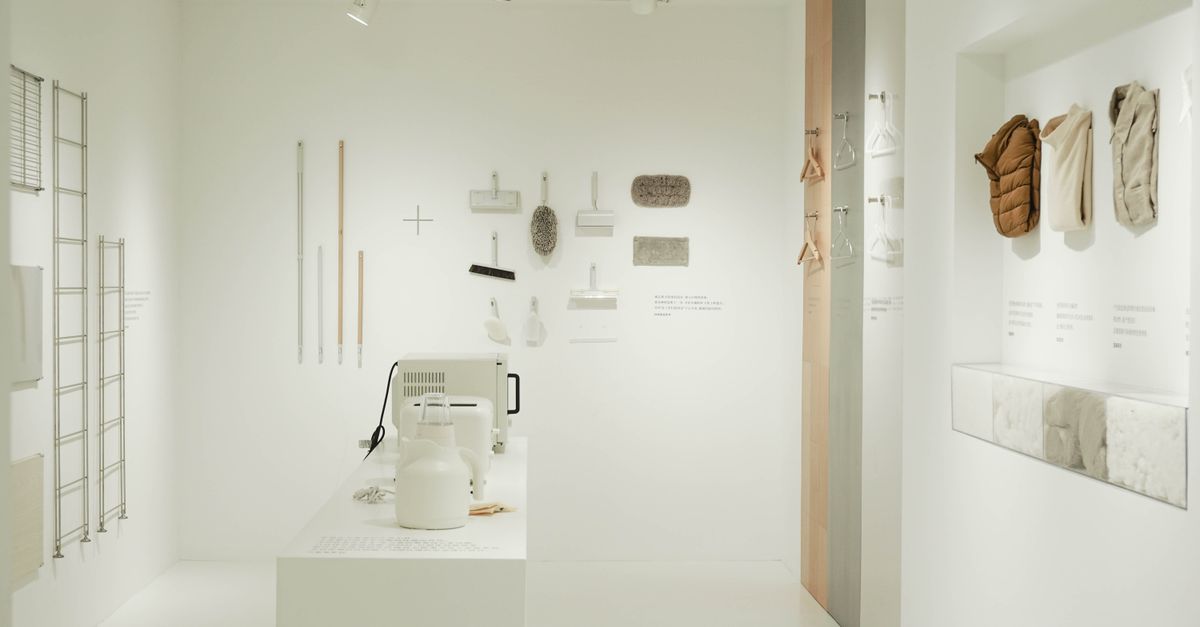
Let me tell you something that might ruffle a few feathers: we’ve been lied to about what luxury actually looks like.
For the last decade, the internet has screamed at us to buy more. More clothes, more skincare, more home decor, more stuff. The message was clear — happiness is a full shopping cart. But lately, a quiet rebellion has been brewing. It doesn’t involve minimalist gray walls or Marie Kondo-ing your sock drawer into submission. No, this one is simpler, cheaper, and honestly, way more satisfying.
It’s called underconsumption core.
And if you haven’t heard of it yet, buckle up — because it might just change how you see everything you own.
The TikTok Trend That’s Actually Good for You
Let’s be honest: most TikTok trends make me want to throw my phone into the ocean. But underconsumption core? This one hits different.
The trend started gaining traction in early 2024, and it’s basically the anti-haul movement on steroids. Instead of showing off their latest hauls from Sephora or Zara, creators are now proudly showing off how they’re not buying things. They’re finishing their last drop of foundation before opening a new one. They’re wearing the same dress to three weddings. They’re using the same phone until it literally stops charging.
Here’s what most people miss: this isn’t about being cheap. It’s about rejecting the pressure to constantly upgrade.
I’ve found that the people who embrace underconsumption core aren’t broke — they’re bored. Bored of the endless cycle of buying, unboxing, and then feeling empty two weeks later. Sound familiar?
Why Doing Less Feels Like a Status Symbol Now
Remember when having a walk-in closet full of unworn clothes was the flex? Yeah, that’s over.
In a world where everyone can buy fast fashion with two clicks, the real luxury is restraint. It’s the ability to say “I don’t need that” when everyone else is screaming “add to cart.” Think about it: if you can afford to buy something but choose not to, that takes more discipline than buying it ever did.
I’ve noticed something wild happening in my own life. When I stopped trying to keep up with every trend, I actually started to enjoy what I already owned. My favorite jeans? They got more compliments after I wore them for the third year in a row than they did when they were new. Funny how that works.
The underconsumption core aesthetic isn’t about deprivation — it’s about curation. You’re not denying yourself pleasure; you’re just choosing where your pleasure comes from. And right now, the most exclusive club is the one that says “I have enough.”

The 3 Rules of Underconsumption Core (That Nobody Talks About)
Here’s the thing: this trend isn’t complicated. But there are some unspoken rules that make it work. After watching dozens of videos and trying it myself for three months, here’s what I’ve learned:
- Use it up, wear it out. This is the golden rule. Finish that weird-smelling body lotion. Wear those shoes until the soles are paper-thin. The goal isn’t to have a perfect collection — it’s to have a used collection.
- Repair before you replace. I sewed a button back on my favorite shirt last week. Took me five minutes. The shirt cost $40 new. The thread? Maybe 50 cents. That’s a 79x return on investment. Not to mention the dopamine hit of fixing something yourself.
- Borrow, swap, or thrift first. Before buying anything new, ask yourself: can I get this from a friend? A buy-nothing group? A thrift store? Nine times out of ten, the answer is yes.
The Hidden Cost of Always Wanting More
Let’s get real for a second. The reason underconsumption core is blowing up isn’t just because people want to save money — it’s because we’re exhausted.
We’ve been sold this idea that more is always better. More options, more features, more variety. But study after study shows that choice overload makes us less happy. When you have 50 different moisturizers to choose from, you end up using none of them properly. When your closet is overflowing, you wear the same three outfits anyway.
I remember a time when I owned exactly one pair of sneakers. They were beat up, slightly too small, and I loved them. Now I have six pairs, and somehow I still feel like I have nothing to wear. That’s the trap.
Underconsumption core isn’t about going back to poverty or pretending we don’t want nice things. It’s about recognizing that the desire for more is a bottomless pit. And the only way to win is to stop playing the game.

How to Start Without Throwing Everything Away
Here’s the part most people get wrong: underconsumption core does NOT mean you need to declutter your entire life today. In fact, that would be against the spirit of it.
The goal is to consume less, not to own less. There’s a subtle but important difference.
If you want to dip your toes in, try this: for the next 30 days, don’t buy anything that isn’t a genuine necessity. Food, toilet paper, medication — yes. A new candle, a trendy water bottle, a “treat yourself” Amazon order — no.
What you’ll discover is shocking. After about two weeks, the urge to buy fades. You start looking at your existing stuff with new eyes. That ugly lamp you inherited? It’s actually kind of charming. That dress you wore once and hated? Pair it with different shoes and it works.
I’ve found that the biggest obstacle isn’t the stuff — it’s the habit of shopping. Break the habit, and the desire for new things shrinks naturally.
The Counterintuitive Truth About Luxury
Here’s where it gets really interesting.
In the past, luxury was about excess. Think of the Roaring Twenties, the 1980s power suits, or the influencer mansions of the 2010s. More was always more.
But today, the most luxurious thing you can have is time. Time not spent shopping. Time not spent organizing clutter. Time not spent working to afford things you don’t need.
Underconsumption core gives you that time back. When you stop chasing the next purchase, you suddenly have space for hobbies, relationships, and rest. And in a world that’s constantly demanding your attention and your money, that’s the ultimate flex.
So next time someone asks why you’re wearing the same jacket for the fourth winter in a row, smile and tell them: Because I can afford to have taste, not just stuff.
The real luxury isn’t having everything. It’s needing almost nothing.