
So, there I was, staring at a spreadsheet on a sun-bleached deck in Bali, a half-empty coconut water sweating beside my laptop. My Slack was pinging, my to-do list was a mile long, and a gecko was judging my life choices from the wall. I was technically “on vacation,” but I’d also just closed a deal worth three months of rent. My boss back in Lagos had no idea I was working from a hammock. And honestly? I felt like I’d cracked the matrix.
That’s the moment I realized the travel industry had fundamentally changed. We’re not just taking trips anymore. We’re grafting them into our lives. We’re living the rise of the “workcation.” And if you think this is just a fancy term for working while on holiday, you’re missing the whole point. Let's dive into how digital nomads are redefining travel in 2025.
The Death of the Two-Week Vacation (And What's Replacing It)
Let’s be honest: the traditional two-week vacation is a stress sandwich. You spend the first three days decompressing from the burnout of pre-trip work. You spend the last four days dreading the mountain of emails waiting for you. The middle is a frantic blur of "making memories." It’s exhausting.
In 2025, we’ve rejected that model. The workcation isn't about escaping work; it's about integrating life. I’ve found that the most successful digital nomads aren't the ones partying on a beach all day. They’re the ones who build a rhythm. They work from a co-working space in Medellín from 8 AM to 2 PM, then hike a mountain. They take a "slow travel" approach, spending three months in Lisbon instead of three days in Paris.
Here’s what most people miss: a workcation isn’t a vacation. It’s a lifestyle redesign. You’re not paying for a hotel; you’re renting a functional apartment with a dedicated workspace and fast, redundant internet. You’re not looking for tourist traps; you’re looking for a neighborhood café with power outlets and a local SIM card that actually works.
The Secret Sauce: Infrastructure You Can't Ignore
I’ve been burned. I once booked a “digital nomad paradise” in Thailand that had a “reliable” Wi-Fi connection. That “reliable” connection crashed during a client presentation. I ended up doing the whole thing from a 7-Eleven parking lot, tethered to my phone, sweating through my shirt. Never again.
The defining factor of a successful workcation in 2025 is non-negotiable infrastructure. It’s no longer a luxury; it’s a prerequisite. When I’m scouting a new city, I don’t look at the Instagrammable sunsets first. I look at:
- Internet Speed & Redundancy: Does the city have fiber? Are there co-working spaces with backup generators? Is Starlink common?
- Time Zone Alignment: This is the killer. Can you work your 9-to-5 while the locals are sleeping? Or can you find a community that works on your schedule?
- Long-Term Visa Options: Countries like Portugal, Spain, and even Colombia have introduced digital nomad visas. This isn't a trend; it's a policy shift. They want your tax dollars in exchange for their sunshine.

The secret isn't just having a laptop. It's having a reliable ecosystem. The best workcations happen in places that have solved the Wi-Fi problem. You don't want to be the person fighting with the hotel manager because the internet is down. You want to be the person who chose a destination where the internet is treated like water — a basic utility.
The Hidden Cost: Loneliness and the "Always On" Trap
Here’s the truth no one tells you: workcations can be isolating. You see the curated Instagram stories of people laughing in hostels, but you don't see the hours of staring at a screen in a room you've never fully unpacked in. I’ve had days where I felt like a ghost in a beautiful place — present, but not really there.
The real challenge of 2025 isn't finding a place with good Wi-Fi. It's finding a place where you can build a temporary community. The most resilient digital nomads I know have a routine that includes social interaction. They join a local run club. They go to the same coffee shop every morning. They don't just visit a place; they inhabit it.
But there's a darker side: the “always on” trap. When your office is your backpack, it’s hard to ever clock out. The line between "working" and "living" blurs until it disappears. I’ve found that the best workcations require strict boundaries. You need a hard stop. You need to close the laptop and walk away. The sunset isn't a backdrop for your Zoom call; it's a signal to stop working.
Why 2025 is the Year of the "Slowmad"
Forget the "digital nomad" stereotype of a twenty-something bouncing from hostel to hostel. 2025 is the year of the "Slowmad." These are professionals — often in their 30s and 40s — who are seasoned in remote work. They’re not chasing the next cheap flight. They’re chasing depth.
I’ve noticed a shift. People are spending three to six months in one location. They’re enrolling in local language classes. They’re building genuine relationships with locals. They’re not tourists; they're temporary residents. This changes everything.
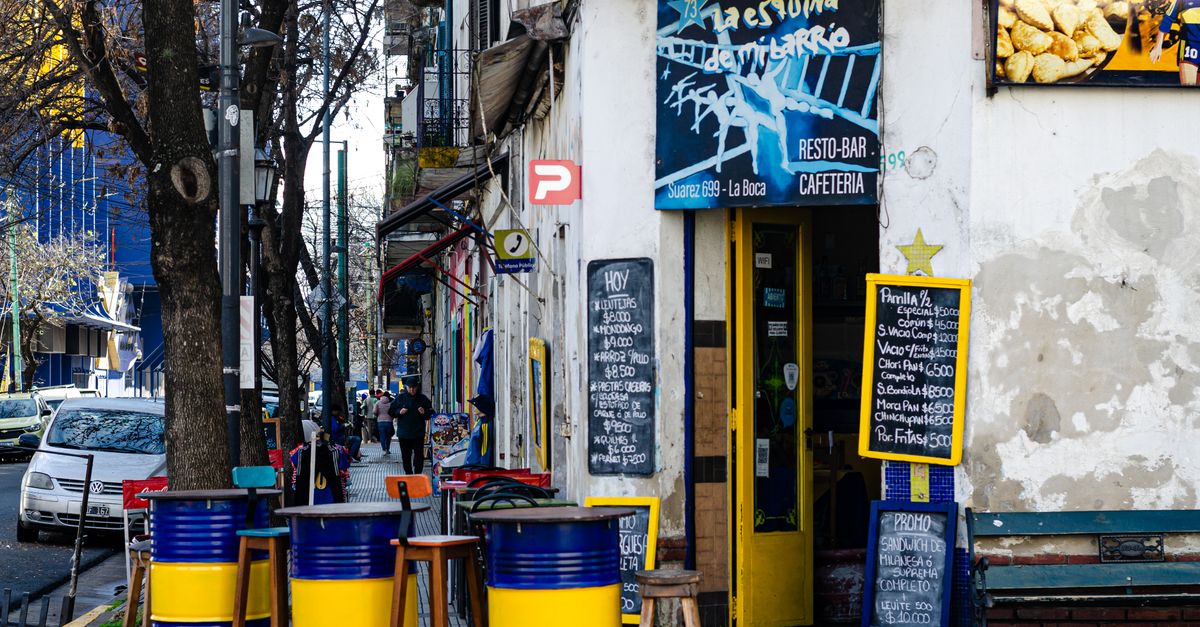
The Slowmad movement understands a simple truth: you can't experience a culture in a week. You need time. You need to know which bakery has the best bread on a Tuesday. You need to know which neighbor will feed your cat. You need to know the rhythm of the city. This is the mature evolution of the workcation. It's not about checking boxes. It's about building a life that fits into a suitcase.
The Ultimate Hack: Redefining Wealth
So, what’s the point of all this? Is it just about working from a beach? No. It’s about redefining what wealth means.
Wealth isn’t just money. It’s time and location freedom. It’s the ability to take a conference call from a mountain cabin in Colombia and then go for a hike. It’s the ability to walk your son to school in a foreign country and then log on to work. It’s the ability to say, "I’m not just living to work. I’m working to live a full life."
The rise of the workcation isn't a trend. It’s a rebellion against the 9-to-5 cubicle. It’s a statement that your life doesn't have to be compartmentalized into "work" and "vacation." You can blend them. You can design a life that feels like a constant, slow, unfolding journey.

But here’s the final, uncomfortable question: Are you ready for it? Are you disciplined enough to work when you need to? Are you brave enough to be lonely for a while? Are you willing to trade the comfort of routine for the chaos of the unknown?
Because the rise of the workcation in 2025 isn't for everyone. It’s for the people who understand that the best travel isn't about escaping your life. It’s about expanding it. So, pack your bags. Fix your Wi-Fi. And go live somewhere else. Your office is waiting.