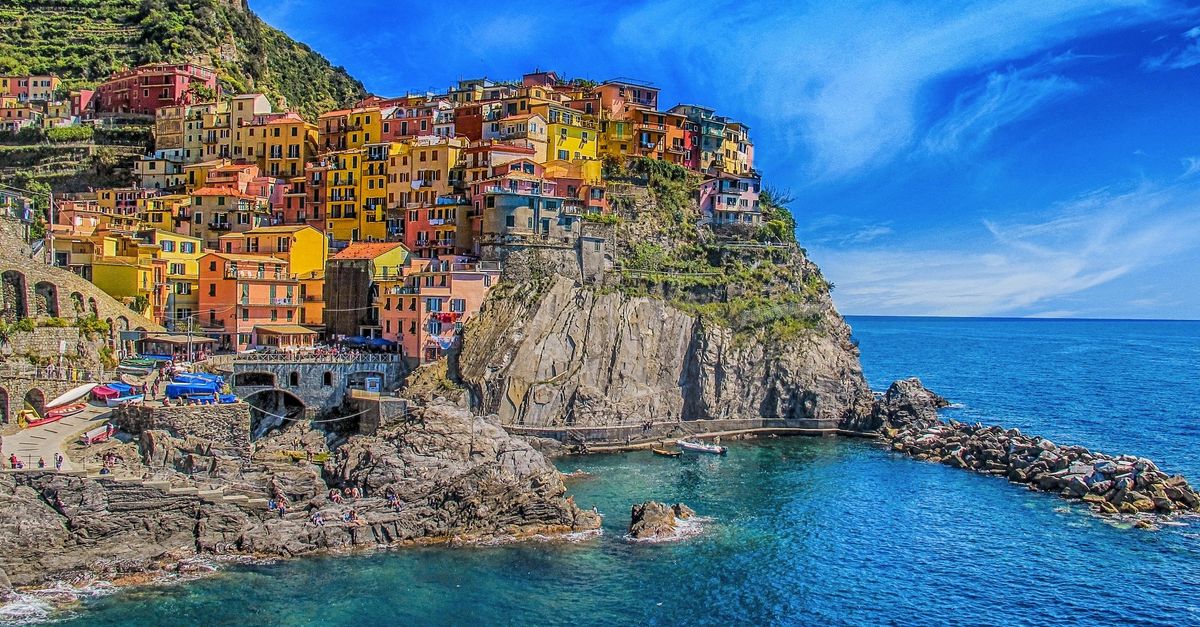
Let’s be real for a second: most “budget travel” lists are just recycled versions of the same five cities. You know the ones—Prague, Lisbon, Budapest. Cute, affordable, and absolutely packed with tourists who all read the same blog post. But here’s the uncomfortable truth: those places aren’t cheap anymore. In 2024, Prague hotel prices have jumped 30% since 2019. Lisbon’s Airbnb market is a nightmare. So what’s a savvy traveler supposed to do? Stop following the herd.
I’ve spent the last six years crisscrossing Europe, and I’ve found that the real value isn’t in the famous capitals. It’s in the cities that haven’t been Instagrammed to death yet. Places where your euro goes further, your coffee comes with a side of actual local culture, and you can still get a seat at a restaurant without a reservation made three months in advance.
Here are 10 underrated destinations in Europe that are actually cheaper in 2024—and why you should book before everyone else catches on.
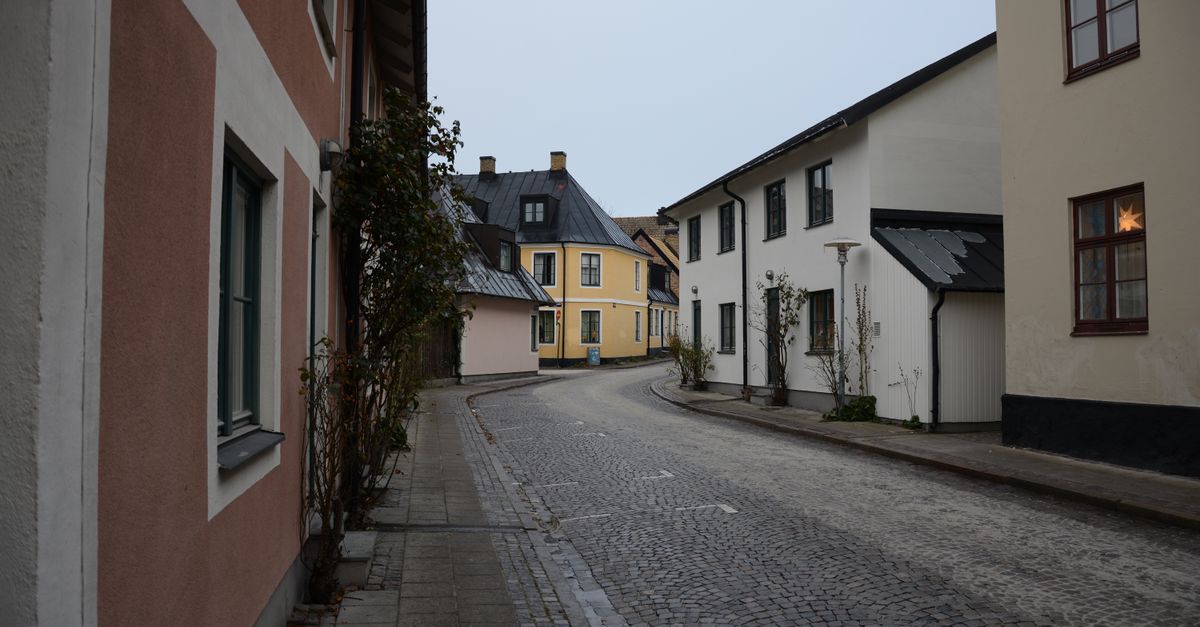
The Polish City That Tourists Keep Skipping (Good for Us)
Everyone flocks to Kraków and Warsaw. I get it—they’re beautiful. But here’s what most people miss: Wrocław, Poland. It’s a fraction of the cost, and honestly? It’s more charming. Think colorful market squares, 12 islands connected by over 100 bridges, and a gnome-hunting culture that’s weirdly addictive.
In 2024, a meal at a mid-range restaurant in Wrocław runs you about €8-10. A beer? €2. Compare that to Kraków, where prices have crept up 15% in the last year. Wrocław’s airport has also expanded budget routes, so flights are cheap. The secret is out in Poland, but it’s not out here yet.
The Albanian Riviera’s Quieter Sister
I’ve written about Albania before, and I’ll die on this hill: Sarandë is overrated. It’s gotten crowded, and prices have doubled since 2021. Instead, head to Ksamil—or better yet, Dhermi. This tiny coastal village on the Albanian Riviera has turquoise water that rivals Greece, but at 60% of the cost.
Here’s the kicker: in 2024, Albania is pushing hard for tourism, so new guesthouses are opening everywhere. I stayed in a seaside room with a balcony for €25 a night in June. Try finding that in Mykonos. The food is incredible, the crowds are thin, and you can still have a beach almost to yourself if you walk 10 minutes from the main strip.
The Portuguese City That’s Not Lisbon or Porto
Let’s be honest: Lisbon has become a Disneyland for digital nomads. Porto isn’t far behind. But Braga? Braga is the real deal. It’s Portugal’s third-largest city, but it feels like a sleepy town with an epic history. The Bom Jesus do Monte sanctuary alone is worth the trip—a baroque staircase that’ll make your legs burn and your jaw drop.
Cost-wise, Braga is a steal. A studio apartment on Airbnb goes for €40-50 a night. A pastel de nata costs €1.20. In Lisbon, you’re paying €3 and fighting a line of tourists. Braga also has a direct train to Porto (under an hour), so you can do a day trip without paying Porto’s inflated accommodation prices.
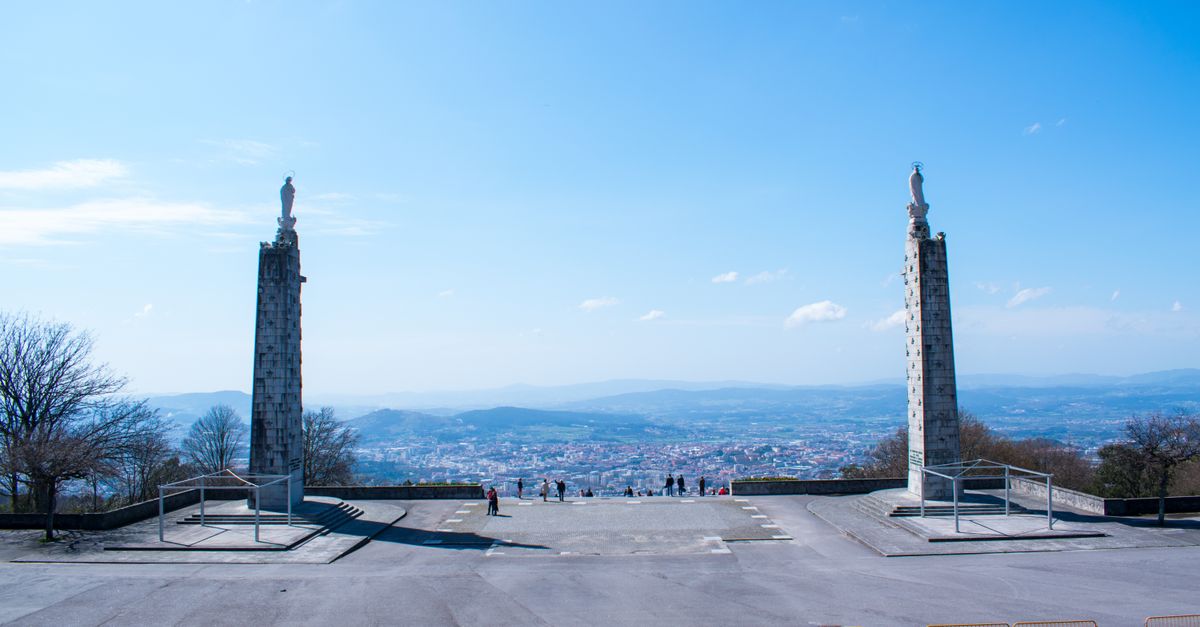
The Italian Town That Time Forgot (And So Did Instagram)
Italy is expensive. Everyone knows this. But Matera? Matera is the exception. This ancient city in Basilicata is carved into limestone cliffs and looks like something out of a biblical epic—because it was. It’s a UNESCO World Heritage site, and yet, most tourists still skip it for Florence or Rome.
Here’s the math: a decent hotel in Matera costs about €60-80 a night in 2024. In Florence, you’re looking at €120 minimum. The food is heartier, the wine is cheaper, and the vibe is genuinely authentic. I had a three-course meal with local wine for €25. The same meal in Tuscany? Double that. Matera is proof that you don’t need to break the bank to experience real Italy.
The German City That’s Not Berlin or Munich
I love Berlin, but let’s not pretend it’s budget-friendly anymore. Leipzig is where you should be. It’s got the same gritty art scene, the same cool cafes, and the same socialist-era architecture—but at half the price. A beer in Leipzig costs about €3.50. A concert ticket at the Gewandhaus? €20.
What most people miss is that Leipzig is also a hub for nature. The city is surrounded by lakes and forests, and you can rent a paddleboat for €10 an hour. In 2024, Leipzig has become a magnet for young creatives, which means the energy is electric but the prices haven’t caught up yet. Get in before they do.
The Romanian City That’s Not Bucharest
Bucharest is affordable, sure. But it’s also chaotic, traffic-heavy, and a bit rough around the edges. Sibiu is the opposite. It’s a medieval gem in Transylvania with pastel-colored buildings, a massive square that feels like a movie set, and some of the best hiking in the Carpathians right on its doorstep.
I spent four days in Sibiu last October and spent less than €200 total, including accommodation. A private room in a guesthouse cost me €30 a night. The local food (think hearty stews and polenta) is delicious and cheap. The best part? English is widely spoken, but the tourism infrastructure isn’t overwhelming. You feel like you’ve discovered something real.

The Spanish City That’s Not Barcelona or Madrid
Barcelona is a mess. Overpriced, overcrowded, and honestly? The locals are fed up. Granada is where you should go. It has the Alhambra (one of the most stunning palaces on earth), free tapas with every drink, and a Moorish influence that makes it feel completely unique.
Here’s the trick: Granada’s accommodation is still reasonable. I found a central apartment for €55 a night in 2024. In Barcelona, that gets you a bunk bed in a hostel. Plus, the free tapas culture means you can eat well without spending a fortune. Order a drink (€2-3), get free food, repeat. It’s a beautiful system.
The Turkish City That’s Not Istanbul
Istanbul is incredible, but it’s also huge, exhausting, and increasingly expensive. Eskişehir is the antidote. It’s a university city with a young, artsy vibe, a river running through the center, and some of the most beautiful Art Nouveau architecture you’ve never seen.
Costs? A meal at a good restaurant is about €5-7. A hotel room in the city center? €25-40. The city is also famous for its çiğ börek (a fried pastry) and its meerschaum pipes. It’s safe, walkable, and completely off the tourist radar. I have a soft spot for this place—it feels like Istanbul’s cooler, quieter cousin.
The Bulgarian City That’s a Hidden Gem
Plovdiv is Europe’s oldest continuously inhabited city, and it’s still criminally underrated. It has a Roman amphitheater, a charming old town with colorful houses, and a creative scene that rivals Berlin’s. But the prices? Laughably low.
In 2024, a coffee costs €1.50. A meal at a top restaurant is €10-12. Hostels are €10 a night. Plovdiv was the European Capital of Culture in 2019, so the infrastructure is excellent. The secret is out among backpackers, but it’s still a ghost town compared to Sofia. Go now.
The Greek Island That’s Not Santorini
Santorini is beautiful. It’s also a logistical nightmare—crowded, expensive, and overhyped. Naxos is what Santorini used to be. It’s got the same white-washed villages, the same blue-domed churches, and the same stunning sunsets. But it’s bigger, less crowded, and significantly cheaper.
I found a room in Naxos Town for €50 a night in peak season. In Santorini, that same room would be €200. The beaches are better, the food is fresher, and you can actually rent a car and explore the island without fighting traffic. If you want a Greek island experience without the price tag, Naxos is your answer.
The Real Takeaway
Here’s the thing: Affordable travel isn’t about finding the cheapest place. It’s about finding the right place before it becomes the next Lisbon. These 10 destinations offer incredible value in 2024—not because they’re boring, but because they’ve been overlooked.
So stop scrolling through the same generic lists. Book a flight to Wrocław, Matera, or Naxos. You’ll spend less, experience more, and come back with stories that don’t start with “I waited in line for two hours.”
And if you do go? Don’t tell everyone. Keep a few secrets.