
You think you know Ghana? You think Accra is the heart of the country? Let me stop you right there. Most travelers, and even some locals, treat the Volta Region like a weekend afterthought—a quick stop at the Wli Waterfalls, a photo with the monkeys, and back to the city. That’s not discovery. That’s a checklist. I’m calling it out because the Volta Region is the most underrated cultural powerhouse in West Africa, and if you haven’t experienced the fusion of ancient tradition with modern faith—specifically at the Christ Embassy Loveworld Arena—you’re missing the real story.
The Volta Region: More Than Just Hills and Waterfalls
Let’s get one thing straight. The Volta Region isn’t just scenic—it’s strategic. Geographically, it’s the gateway between Ghana and Togo, which means it’s been a melting pot of languages, customs, and trade routes for centuries. But here’s what most people miss: the culture here isn’t preserved in a museum—it’s lived out loud.
I’ve spent weeks wandering through villages like Tafi Atome and Likpe-Mate, and I’ve found that the real magic isn’t in the tourist brochures. It’s in the way the Ewe people greet you with a handshake that lingers just a second too long—because they’re reading your energy. It’s in the rhythm of the Agbadza dance, which isn’t just a performance but a coded history of migration and survival. And it’s in the food—fufu with pepper soup that will make you question every bland meal you’ve ever eaten.
The Volta Region is not a side trip. It’s the main event. You just haven’t been told the truth yet.
The Community That Refuses to Be “Developed” Away
I’m going to say something controversial: tourism is ruining authentic community connections. But in Volta, they’ve figured out a secret that most tourist hotspots haven’t. They don’t perform culture for tourists; they let you witness it.
I remember sitting in a compound in the village of Gbledi, watching the women weave kente cloth. There was no staged photo op. No “look at me, I’m a local” performance. They were just working, laughing, and occasionally throwing a question my way in broken English: “You like the red? That’s for the chief.” That moment was worth more than any guided tour.
Here are the three things that make Volta communities stand out:
- Hospitality without transaction. They don’t expect payment for every interaction. They just want to know you.
- Elders who still tell oral histories. Not from a script. From memory.
- Youth who balance tradition and tech. You’ll see a teenager with an iPhone filming a traditional funeral drumming—and that’s not irony. That’s evolution.
Christ Embassy Loveworld Arena: Where Faith Meets Community
Now, let’s talk about the elephant—or rather, the massive auditorium—in the room. The Christ Embassy Loveworld Arena in the Volta Region isn’t just a church building. It’s a cultural statement.
I know what you’re thinking. “William, you’re talking about a church in a region known for traditional religion and festivals?” Yes, and here’s why it matters.
The Arena represents a shifting cultural landscape that many traditionalists hate to admit. Young people in Volta are not abandoning their heritage—they’re integrating it with modern Pentecostal worship. You’ll see Ewe praise songs blended with gospel chords. You’ll see traditional drummers backing a choir. The Loveworld Arena is where the old and new collide, and it’s messy, loud, and beautiful.
Let’s be honest: most religious buildings in Ghana feel sterile. But this one? The architecture itself is a conversation starter. It’s designed to hold thousands, but the vibe is intimate. I attended a service there last year, and I’ve never seen a congregation so diverse—farmers, students, professionals, and even a few traditional priests who came out of curiosity.
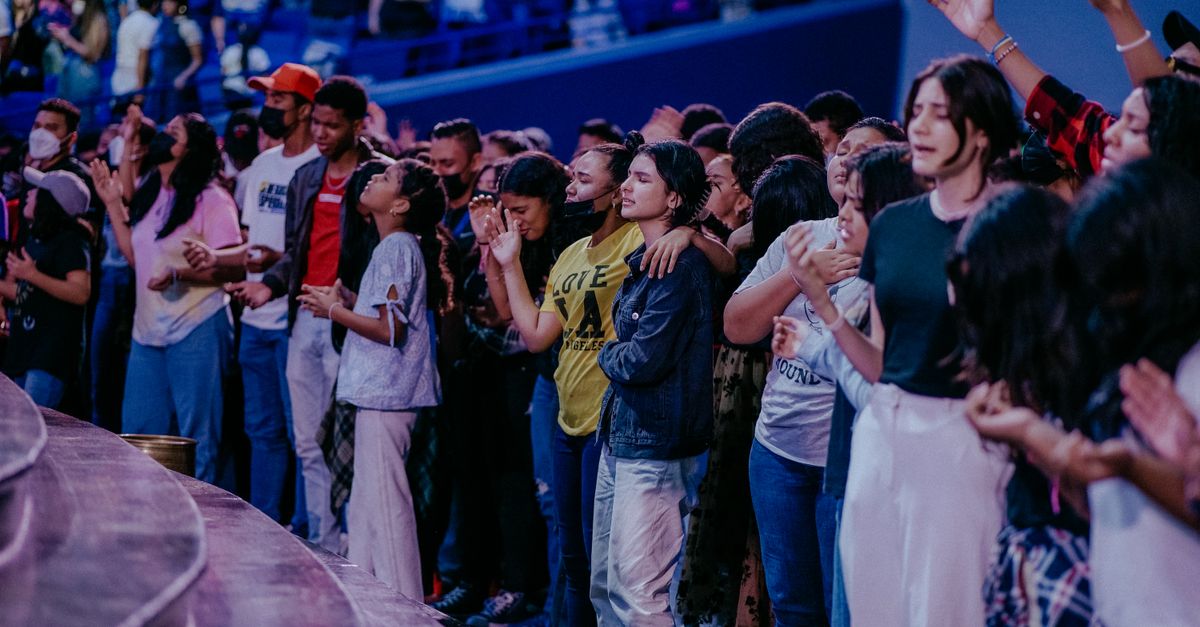
This is not your grandmother’s church. This is a community center that happens to be consecrated. And if you’re into cultural anthropology, you need to see how faith is being reimagined here.
The Hidden Tension: Tradition vs. Transformation
Now, let’s get uncomfortable. Not everyone in Volta is thrilled about the Loveworld Arena’s influence. I’ve spoken with elders who see it as a threat to ancestral practices. And they’re not wrong to be concerned.
Here’s the tension: the Arena brings jobs, infrastructure, and youth engagement. But it also pulls young people away from traditional festivals like Hogbetsotso and Asafotufiam. Some villages have seen a decline in attendance at the Dipo initiation rites because kids are at church camps instead.
I’m not here to pick a side. But I will say this: both sides are missing the bigger picture. The Volta Region is not a static postcard. It’s a living organism. The Arena is part of that evolution. The trick is figuring out how to preserve the roots while letting the branches grow.
One elder told me, “The Arena is like a new river. It brings water, but it might flood our old gardens.” That’s the real conversation happening behind closed doors.
What You’ll Actually Experience (If You Go Off the Beaten Path)
Let’s get practical. If you want to discover the Volta Region beyond the surface, here’s what I recommend:
- Skip the main tourist lodges. Stay with a family in a village like Kpetoe or Dzodze. You’ll eat real food, not hotel food.
- Visit on a Thursday or Friday. That’s when most traditional court sessions happen. Yes, you can sit in. It’s like live action Game of Thrones but with better drumming.
- Go to the Loveworld Arena on a Wednesday. The midweek service is smaller, and you’ll actually have time to talk to people afterward. Ask them about their conversion stories. The answers will surprise you.
- Hire a guide who speaks Ewe. Not Twi. Not English. Ewe. You’ll unlock doors that are invisible to other tourists.

Most people spend 48 hours in Volta and think they’ve “done it.” That’s like reading the first chapter of a 500-page book. The region rewards patience.
Why This Matters Right Now
Here’s the truth nobody wants to say out loud: Ghana’s cultural future is being decided in the Volta Region. Not in Accra’s ministries. Not in Kumasi’s palaces. Right here, in the hills and valleys where tradition and transformation are fighting for the same space.
The Christ Embassy Loveworld Arena is a symbol of that fight. It’s not just a building—it’s a referendum on what Volta wants to become. Will it be a region that preserves its heritage in a glass case, or one that lets it evolve into something new?
I don’t have the answer. But I know that watching that conversation unfold is more fascinating than any waterfall.
So here’s my challenge to you: Next time you plan a trip to Ghana, don’t just “do” Volta. Live it. Stay longer. Talk to the elders. Sit in the Arena. Eat the street food. And then tell me I was wrong.
I dare you.