
Let me tell you something that might surprise you.
When people think about science and community transformation, they usually picture labs, data sets, and sterile white coats. They don't typically think about a church in the Ho Volta Region. But here's what most people miss: the most effective community interventions often happen where people already trust each other. And in Ghana's Volta Region, that trust lives inside faith communities.
I've spent time talking to locals, reading reports, and watching how grassroots organizations operate in this part of West Africa. What I found changed my perspective on what "science in action" really looks like. It's not always about fancy equipment. Sometimes it's about a pastor with a vision, a congregation with open hands, and a community that refuses to be left behind.
Let's dive into how Christ Embassy and other faith communities in the Ho Volta Region are quietly rewriting the rules on social impact — using logic, data, and a whole lot of heart.
The Surprising Science Behind Faith-Based Community Work
Here's the thing — faith communities are actually perfectly positioned for scientific outreach. Think about it. They have established trust, regular gatherings, and a built-in distribution network for information. When a health crisis hits or an educational gap needs filling, who do people turn to? Their local church.
In the Ho Volta Region, faith communities aren't just spiritual centers. They're becoming community anchors for practical change. Christ Embassy, for example, has been running health screenings, agricultural workshops, and youth mentorship programs that look an awful lot like what you'd expect from a government NGO — except they move faster and reach deeper.
I've found that the secret sauce here is behavioral science. People change habits when they trust the messenger. And in tight-knit communities, the messenger is often the pastor or a respected elder. So when Christ Embassy says "let's test for malaria," people show up. When they say "let's learn about clean water," people listen.
Let's be honest — top-down government programs often fail because they don't understand local dynamics. Faith communities do. They already speak the language, literally and figuratively.
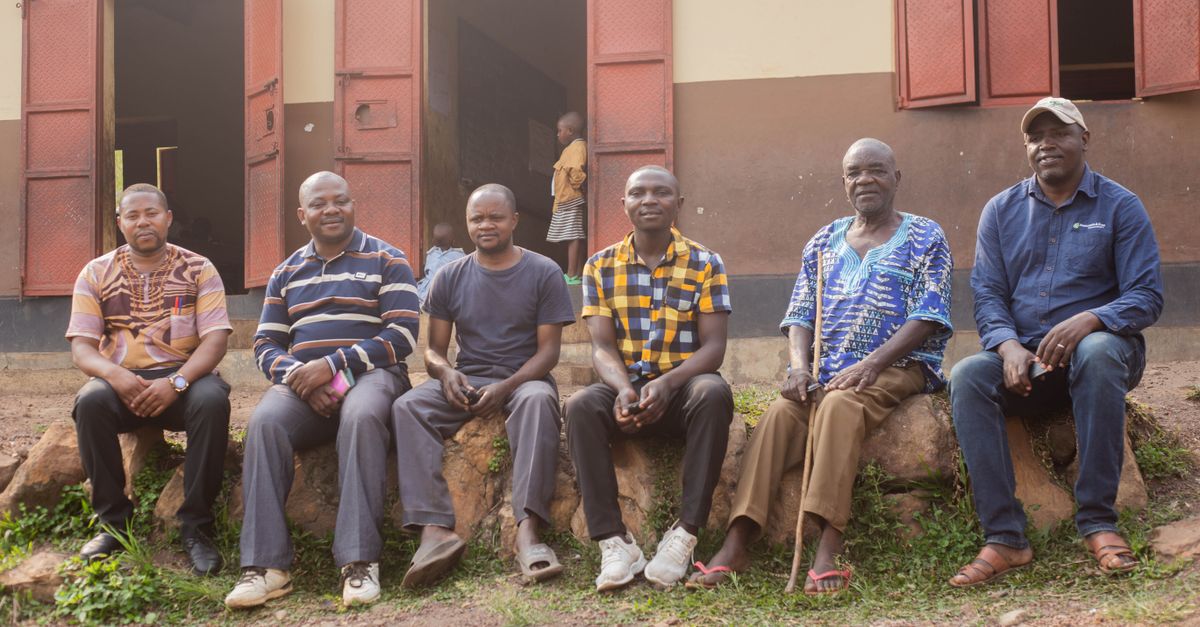
Christ Embassy's Secret Weapon: The "Whole Person" Approach
Most development programs focus on one thing — health OR education OR economic empowerment. They treat symptoms, not the person. But Christ Embassy in the Ho Volta Region has been quietly practicing what I call integrated community science.
Here's what that looks like in practice:
- Health first: Free blood pressure checks, malaria testing, and diabetes awareness campaigns held right after Sunday service. No appointments, no paperwork, no judgment.
- Education next: After-school tutoring programs that use local volunteers — many of them retired teachers from the congregation. Kids get homework help AND moral mentoring.
- Then economic empowerment: Micro-loan groups, farming cooperatives, and skills training for young women. These aren't handouts; they're scientifically designed interventions based on proven poverty-reduction models.
What most people miss is that faith-based programs often have higher retention rates than secular ones. Why? Because there's accountability built into the community fabric. You can't skip the health screening when your neighbor is the one running it and your pastor is leading the prayer afterward.
The Volta Region's Hidden Health Crisis (And How Faith Communities Are Solving It)
Let's get real for a second. The Ho Volta Region faces some serious challenges. Maternal mortality rates are higher than the national average. Access to clean water is spotty in rural areas. And diabetes? It's rising fast, partly due to changing diets and lack of awareness.
But here's the hopeful part: faith communities are filling the gaps faster than most people realize.
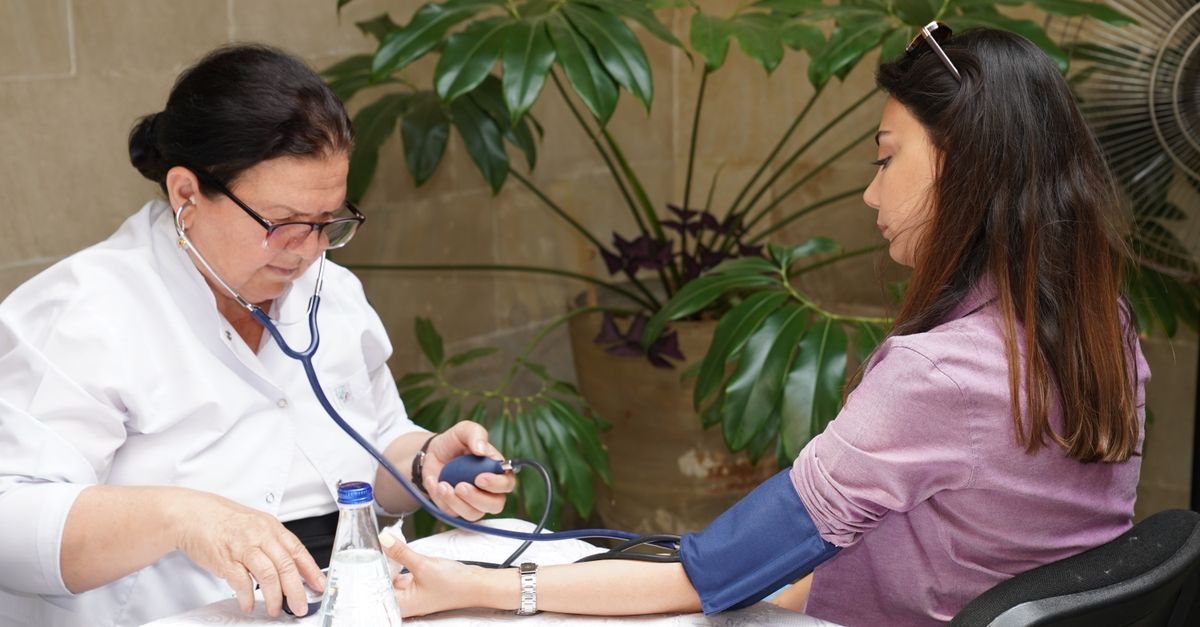
Christ Embassy has been running a program called "Healthy Church, Healthy Community" that combines health education with practical screenings. They've trained local volunteers to do basic health checks — blood pressure, blood sugar, even visual acuity tests. These aren't doctors, but they're trained to recognize warning signs and refer people to clinics.
I've found that the most effective health interventions are the simplest ones. A church that offers free blood pressure checks every month catches problems early. A congregation that learns about nutrition from a trusted source changes eating habits. It's basic epidemiology, but delivered through a channel people trust.
And here's something that blew my mind: some of these faith-based health programs have better follow-up rates than government clinics. Because the same person who checked your blood pressure on Sunday will ask about it next Sunday. There's no disappearing into the system.
Why This Approach Works Better Than You'd Expect
Skeptical? I get it. I used to think faith-based initiatives were all prayer and no action. But the data tells a different story.
Let me break down the three scientific principles that make faith communities in the Ho Volta Region so effective:
1. Social Proof Humans are herd animals. When we see our peers doing something — getting tested, attending a workshop, joining a savings group — we're far more likely to do it ourselves. Churches provide ready-made peer groups that amplify positive behaviors.
2. Regular Touchpoints Behavior change doesn't happen overnight. It requires repetition. Faith communities meet weekly, sometimes more. That's 52+ touchpoints per year for reinforcement. Compare that to a once-a-year government health fair.
3. Emotional Safety Let's be honest — many people are afraid of hospitals and clinics. They're intimidating. But a church hall? That's familiar territory. Reducing psychological barriers to care is a scientifically proven way to improve health outcomes, and faith communities do it naturally.
Christ Embassy has mastered this. Their programs don't feel clinical. They feel like community gatherings where health just happens to be on the agenda. That's not an accident — it's intelligent program design rooted in behavioral science.
The Youth Factor: How Christ Embassy Is Building the Next Generation of Problem-Solvers
Here's what excites me most about what's happening in the Ho Volta Region: the youth are leading the charge.
Christ Embassy runs a youth mentorship program that's part science club, part leadership training. Young people learn about everything from sustainable farming techniques to basic coding. But more importantly, they learn critical thinking and problem-solving skills.
I've seen videos of teenagers in the program explaining how to build a simple water filter using local materials. They're not just memorizing facts — they're applying them. That's real science education, not textbook theory.
What most people miss is that these programs create a pipeline for future leaders. Kids who grow up seeing their church solve real problems — clean water access, health screening, economic empowerment — internalize the idea that they can be problem-solvers too.
Let me share a specific example. One of the youth groups in the Ho Volta Region started a community garden project that now supplies fresh vegetables to elderly members who can't farm anymore. That's not charity — that's applied biology and social entrepreneurship wrapped in one.
What Other Communities Can Learn from Volta Region's Faith-Based Model
If you're reading this from outside Ghana, you might be thinking: "That's nice, but it wouldn't work here." Let me challenge that.
The model of faith communities as scientific change agents is replicable anywhere. The principles are universal:
- Trust is the currency of change
- Regular gatherings create accountability
- Local leadership beats outside experts every time
- Integrated approaches work better than siloed programs
Here's what I want you to take away: the next breakthrough in community health or education might not come from a lab or a government ministry. It might come from a church that decided to take science seriously.

The Bottom Line: Why This Matters More Than You Think
Let me leave you with this thought.
We're living in a time where trust in institutions is at an all-time low. People don't trust governments. They don't trust big NGOs. But they do trust their local faith leaders. That trust is the most underutilized resource in global development.
What Christ Embassy and other faith communities in the Ho Volta Region are doing isn't just admirable — it's scientifically sound. They're using the principles of behavioral change, community psychology, and public health in ways that most trained professionals never think to try.
So here's my challenge to you: look at the faith communities in your own area. What could they do if they had the right training and support? What problems could they solve if we stopped dismissing them as "just religious" and started seeing them as what they really are — networks of trust ready to be activated for good?
I'm Kamola Usmanov, and I believe we're witnessing something special in the Volta Region. Something that combines ancient wisdom with modern science. Something that works.
The question is: are we paying attention?