
You know that feeling when you eat a massive salad and still feel bloated? Yeah, me too. For years, I bought into the "more fiber, more vegetables" hype, thinking I was doing everything right. But here's the controversial truth I've landed on after years of gut health experiments: fiber is not the hero we've made it out to be. The real MVP? Fermented foods. And I'm not talking about that sad, shelf-stable sauerkraut from the grocery store.
Let’s be honest: your gut is a battlefield. Between stress, antibiotics, sugar, and processed junk, the "good" bacteria are getting slaughtered. You can eat a truckload of kale, but if your microbiome is a ghost town, you're just feeding the bad guys. That's where fermentation comes in — it’s like sending in a SWAT team of probiotics to repopulate your gut with the soldiers who actually fight for you.

The Shocking Reason Your "Healthy" Diet Is Failing You
I used to think yogurt was the gold standard. Then I looked at the label. Most commercial yogurts are sugar bombs with a side of bacteria. Sure, they have probiotics, but they're often pasteurized after fermentation, killing all the good stuff. Here's what most people miss: fermentation isn't just about probiotics. It's about postbiotics and biotransformation.
When you ferment a cabbage, you're not just adding bacteria. You're unlocking nutrients that were previously inaccessible. Vitamin C skyrockets. B vitamins, vitamin K2, and enzymes multiply. The bacteria essentially pre-digest the food for you. So while your friend is choking down raw kale (which is actually hard on the gut for some people), you're eating sauerkraut that your body can absorb without breaking a sweat.
I've found that fermented foods are the only "supplement" that works better than the real thing. No pill can replicate the complexity of a living, fermented food. It's alive, it's active, and it's smarter than any capsule.
Why Kimchi Is the New Probiotic Pill (And Why You Should Care)
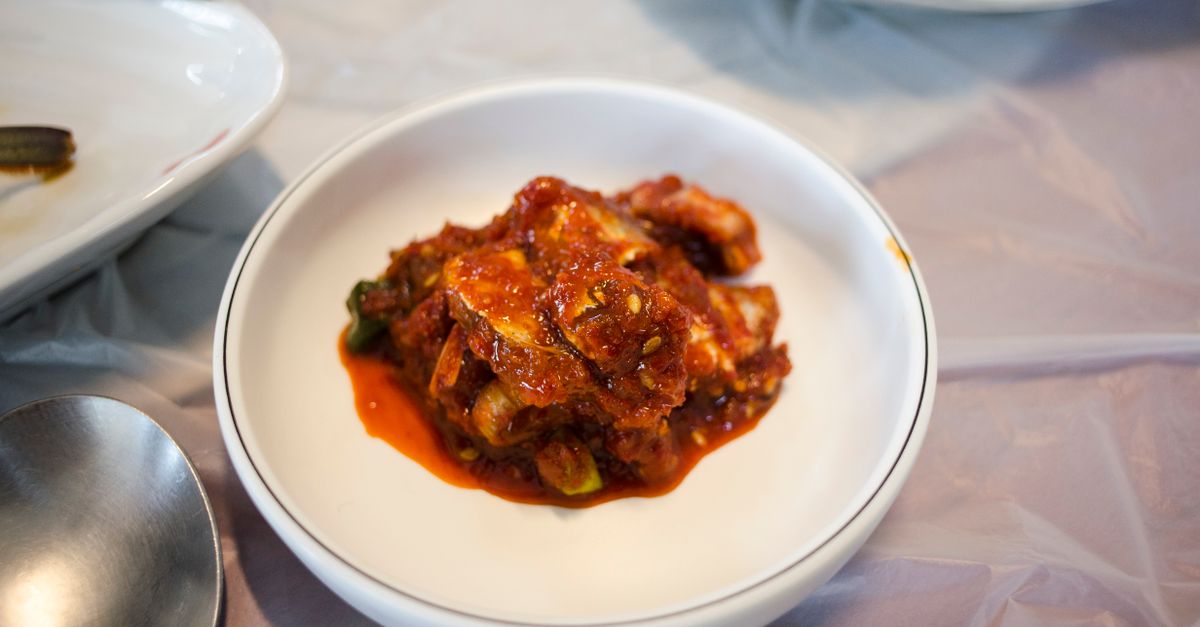
Let's talk about kimchi. I know, I know — it's spicy, it's stinky, and it might make your fridge smell like a Korean grandmother's kitchen. But here's the thing: kimchi is a probiotic powerhouse that puts those expensive supplements to shame.
A single serving of traditional kimchi can contain hundreds of different bacterial strains. Compare that to your average probiotic pill, which might have two to ten strains. Your gut microbiome is a rainforest, not a monocrop farm. You need diversity, not just a flood of one type of bacteria. Kimchi delivers that diversity in a way no pill can.
Plus, the fermentation process creates natural preservatives that extend shelf life without chemicals. So you're getting a functional food that's also a clean-label win. I personally keep a jar in my fridge at all times. It's my go-to when I feel a cold coming on or when my digestion feels sluggish.
5 Easy Fermented Recipes That Won't Make Your Kitchen Smell Like a Science Lab
I get it — fermentation sounds intimidating. You think you need a lab coat, a pH meter, and a degree in microbiology. You don't. Here are five recipes I've tested in my own tiny apartment kitchen. No special equipment, no weird smells, just delicious gut-healing food.
1. The 15-Minute Sauerkraut (Seriously) Most recipes tell you to ferment for weeks. That's great for flavor, but not for impatience. Try this: shred one head of cabbage, massage with 1.5 tablespoons of salt until it releases liquid, pack into a jar, and let it sit at room temperature for just 3-5 days. The result is a crunchy, tangy kraut that still has plenty of live cultures. I eat it on everything — eggs, salads, even straight from the jar.
2. Probiotic-Packed Pickled Carrots Forget vinegar pickles. These are lacto-fermented, meaning they use salt and time instead of acid. Slice carrots into sticks, submerge them in a brine of 1 tablespoon salt per 2 cups water, add a clove of garlic and a sprig of dill. Let them sit for a week, and you'll have crunchy, salty, probiotic snacks that beat any store-bought pickle.
3. The Lazy Girl's Kombucha (No SCOBY Needed) Okay, technically you need a SCOBY, but you can buy one online for $10. Or, even easier: use a bottle of unflavored, raw kombucha as your starter. Brew black tea, add sugar (the yeast eats it, so it's not in the final product), cool it, add the starter, and let it sit for 7-14 days. The result is fizzy, tangy, and way cheaper than store-bought. I flavor mine with frozen berries in the second fermentation.
4. 5-Minute Fermented Salsa This one is a game-changer. Chop tomatoes, onion, jalapeño, cilantro, and garlic. Add 1 teaspoon salt per 2 cups of veggies. Let it sit at room temperature for just 24-48 hours. You'll get a salsa that's alive, bubbly, and ridiculously flavorful. It's the perfect party trick — no one will know it's fermented.
5. Super Simple Yogurt (Without a Machine) Heat a quart of milk to 180°F, cool it to 110°F, stir in 2 tablespoons of plain yogurt with live cultures, and keep it warm (in a cooler with hot water or in the oven with the light on) for 8-12 hours. The result is thick, tangy, and loaded with probiotics. I add vanilla and a pinch of salt, and it's better than any Greek yogurt I've ever bought.

The Dirty Secret About Store-Bought Fermented Foods
Here's where I might ruffle some feathers: most store-bought "fermented" foods are a lie. Walk down the refrigerated section and look for "sauerkraut" or "pickles." If they're pasteurized (which most are), they're dead. No probiotics, no living cultures. You're basically eating fancy vinegar-soaked cabbage.
Always check the label. Look for "raw," "unpasteurized," or "live cultures" on the jar. And if it's shelf-stable? Run. Real fermented foods need to be refrigerated. If it sits on a shelf at room temperature, it's either pasteurized or packed with preservatives. Neither is what you want.
The One Thing Nobody Tells You About Fermentation
Here's the part that surprised me: fermentation is not just about gut health. It's about mood. There's a growing body of research linking the gut microbiome to mental health. The vagus nerve connects your gut directly to your brain. When you eat fermented foods, you're essentially feeding the bacteria that produce neurotransmitters like serotonin and dopamine.
I've noticed that on days I eat fermented foods, I feel calmer, sharper, and less anxious. It's not placebo — it's science. The gut-brain axis is real, and fermented foods are the most direct way to influence it.
So here's my challenge to you: start small. Make that sauerkraut. Buy a jar of raw kimchi. Add a spoonful to your next meal. Your gut will thank you, your mood will improve, and you'll never look at a probiotic pill the same way again.
The future of gut health isn't in a capsule. It's in a jar, bubbling on your counter, alive and waiting.