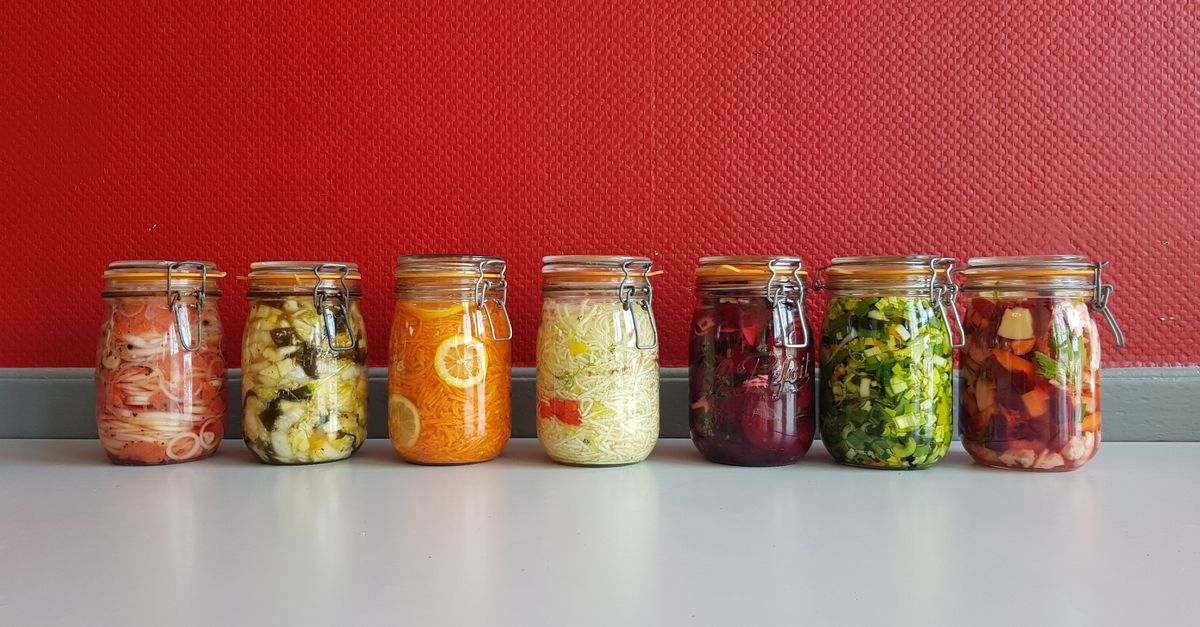
Let me tell you something — your brain is basically running on fumes if you’re not eating fermented foods. I know, I know. Kimchi smells like a science experiment gone wrong, and kombucha tastes like fizzy tea that someone left out too long. But hear me out: these funky ferments are the ultimate brain-boosting superfoods, and we’ve only scratched the surface.
I used to think probiotics were just for gut health — the kind of thing your grandma pushes after a stomach bug. But here’s what most people miss: your gut and brain are literally connected by a superhighway called the vagus nerve. When you eat fermented foods, you’re not just feeding your gut bacteria; you’re sending a direct message to your brain. And that message is basically: “Hey, let’s be happier, sharper, and less anxious.”
Welcome to Fermentation 2.0 — where ancient preservation techniques meet modern neuroscience. And honestly? It’s shocking how few people are talking about this.

The Gut-Brain Connection Isn’t a Myth — It’s Your Body’s Hidden Control Room
Let’s get one thing straight: your gut isn’t just a digestion machine. It’s got 100 million neurons — that’s more nerve cells than your entire spinal cord. Scientists call it your “second brain,” and I call it the reason you feel hangry before you even realize you’re hungry.
Here’s the secret: fermented foods are packed with live probiotics that directly influence your brain chemistry. When you eat kimchi or drink kombucha, those bacteria produce neurotransmitters like serotonin (the “happy chemical”) and GABA (the “calm down” neurotransmitter). In fact, about 90% of your serotonin is made in your gut.
I’ve found that after a week of eating a small serving of kimchi daily, my afternoon brain fog lifts. It’s not placebo — it’s biology. The probiotics in fermented foods reduce inflammation in the gut, which in turn lowers brain inflammation. Less inflammation means clearer thinking, better memory, and fewer mood swings.
But here’s where most people get it wrong: not all fermented foods are created equal. Pasteurized sauerkraut from a shelf? Dead on arrival. The good stuff is raw, unpasteurized, and refrigerated. That’s where the magic lives.
Why Kombucha Is Basically Liquid Gold for Your Brain
I used to roll my eyes at kombucha drinkers. You know the type — yoga pants, reusable straw, kombucha in hand like it’s holy water. But then I actually tried brewing my own, and let’s be honest: I was wrong.
Kombucha isn’t just trendy — it’s a powerhouse of B vitamins, especially B12 and B6. These vitamins are essential for brain function because they help produce myelin, the protective coating around your nerves. Without enough B vitamins, your brain signals slow down. You feel sluggish, forgetful, and honestly, a little dumb.
But here’s the thing nobody tells you: kombucha also contains acetic acid and small amounts of caffeine. The acetic acid helps stabilize blood sugar, which means no afternoon crash. And the tiny caffeine boost? It’s just enough to sharpen focus without the jitters. It’s like a brain hack disguised as tea.
Three things I look for in brain-boosting kombucha:
- Raw and unpasteurized (look for a SCOBY in the bottle)
- Low sugar (under 5g per serving — the bacteria eat the sugar, not you)
- Fermented for at least 30 days (longer fermentation = more probiotics)

Kimchi: The Fermented Cabbage That’s Smarter Than You Think
Let’s talk about kimchi — the spicy, stinky, and absolutely brilliant Korean staple. I’ll admit, my first experience with kimchi was a disaster. I bought a jar from a mainstream grocery store, and it tasted like sour cabbage with regret. But real kimchi? It’s a brain-boosting bomb.
Traditional kimchi is made with napa cabbage, gochugaru (Korean chili flakes), garlic, ginger, and fish sauce. Every single ingredient is a brain booster. Garlic and ginger are powerful anti-inflammatory compounds that protect your brain from oxidative stress. The chili flakes contain capsaicin, which increases blood flow to the brain and improves cognitive function.
But the real star is the fermentation process itself. When cabbage ferments, it produces isothiocyanates — compounds that activate your body’s natural detoxification pathways. These compounds help clear out brain toxins linked to Alzheimer’s and Parkinson’s. Yes, an $8 jar of kimchi might do more for your long-term brain health than expensive supplements.
I’ve found that eating a quarter cup of kimchi daily (not more — your gut needs time to adjust) dramatically improves my focus and reduces that “3 PM slump.” Plus, the probiotics survive stomach acid better than most supplements because they’re encased in the cabbage fibers.
Quick tip for kombucha and kimchi beginners: Start small. A tablespoon of kimchi with meals and 2-3 ounces of kombucha daily. Your gut bacteria need to adapt, or you’ll end up with gas and regret.
The Science Nobody Talks About: Postbiotics and Brain Health
Here’s where it gets really interesting — and a little weird. When probiotics in fermented foods die, they release something called postbiotics. These are the metabolic byproducts of bacteria, and they might be even more important than the live probiotics themselves.
Postbiotics include short-chain fatty acids (SCFAs) like butyrate, which directly feed your brain cells and reduce neuroinflammation. Think of them as the ghost soldiers of your gut — even after the probiotic bacteria die, their remains continue fighting for your brain health.
This is why fermented foods are superior to probiotic supplements. Supplements often contain dead bacteria from the start, but with kimchi or kombucha, you get the full package: live probiotics, prebiotics (food for bacteria), and postbiotics. It’s a three-in-one brain boost that no pill can replicate.
I’ve noticed that when I eat fermented foods regularly, my anxiety levels drop noticeably. That’s not just wishful thinking — studies show that fermented foods can reduce social anxiety and improve mood in as little as four weeks. The mechanism? The gut-brain axis reduces stress hormone production and increases GABA activity.

How to Ferment Like a Brain Scientist (Without the Lab Coat)
You don’t need to become a fermentation guru to benefit. But if you want to maximize the brain-boosting potential, here’s what I recommend:
Start with these three staples:
- Raw kimchi from a Korean grocery store or homemade (avoid pasteurized versions)
- Unpasteurized kombucha from a local brewery or homemade (look for “live cultures” on the label)
- Fermented vegetables like sauerkraut or pickles (lacto-fermented, not vinegar-based)
- Morning: 2 oz kombucha with breakfast (the acidity wakes me up)
- Lunch: 1/4 cup kimchi with my meal (helps digestion and focus)
- Evening: A small spoonful of sauerkraut before bed (promotes calm sleep)
- Commercial fermented foods that are pasteurized (kills all the good stuff)
- Fermented foods with added sugar (feeds bad bacteria, not good ones)
- Eating too much too fast (start small and increase gradually)
The Truth Nobody Wants to Admit
Here’s the honest truth: fermented foods aren’t a quick fix. You won’t eat kimchi for one day and suddenly become Einstein. But over time — weeks, months — the cumulative effect is undeniable. Your memory gets sharper. Your mood stabilizes. That constant mental fog starts to lift.
I’ve watched friends who swore by coffee and energy drinks switch to kombucha and kimchi, and within a month, they were sleeping better and thinking clearer. It’s not magic. It’s biology catching up to ancient wisdom.
So here’s my challenge to you: for the next seven days, add a serving of fermented food to your daily diet. See if you notice a difference in your focus, your energy, or your mood. And if you do? Congratulations — you’ve just discovered the brain-boosting secret that big food companies don’t want you to know.
Because let’s be real: the best brain supplement isn’t in a pill bottle. It’s in a jar of kimchi, floating in a bottle of kombucha, waiting for you to take that first funky, life-changing bite.
Now go get your brain some fermented love. Your gut — and your future self — will thank you.