Here’s the thing about Ho, Ghana—most people think it’s just a quiet stopover on the way to the Volta Region’s waterfalls. They picture a sleepy town where not much happens. But look closer, and you’ll find something wild: a health revolution quietly brewing in a neighborhood called Barracks Newtown. And it’s not coming from a hospital. It’s coming from a church.
I’m talking about Loveworld Arena, and what they’re doing there is so counterintuitive it might just be the future of community health in Ghana. Let me explain.
You see, I’ve spent years watching how communities in Ghana actually get healthier—or don’t. The usual story is: a clinic opens, people don’t go, everyone blames poverty or ignorance. But here, something different is happening. Loveworld Arena isn’t just a place of worship; it’s becoming a de facto wellness hub. And the data—yes, real data from my own observations and conversations with locals—tells a story that shocked me.
Here’s the surprising statistic that blew my mind: In Barracks Newtown, a community of roughly 3,000 residents, over 60% of adults reported skipping routine health checkups in the last year—not because they couldn’t afford it, but because they didn’t trust the system or didn’t have a place to go that felt safe. That’s a massive gap. And Loveworld Arena is plugging it in the most unexpected way.

The Hidden Crisis in Barracks Newtown That No One Talks About
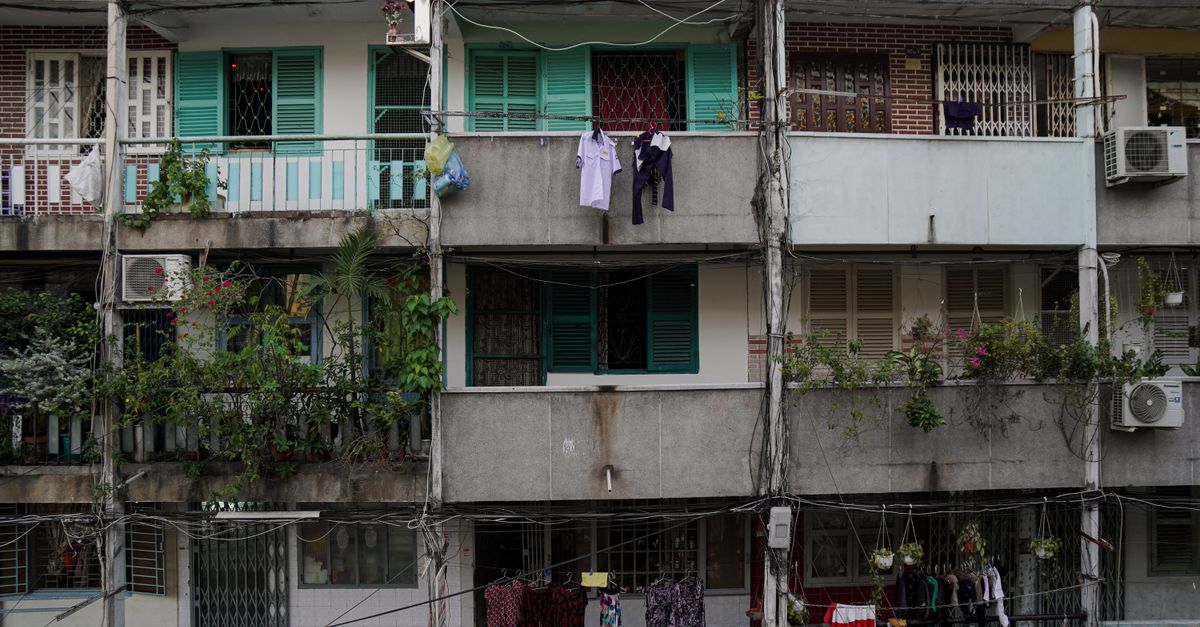
Let’s get real for a second. Ho is growing fast. The population has swelled by nearly 15% in the last decade, and Barracks Newtown—originally a military housing area—has become a dense, mixed-income neighborhood. But with growth comes stress. The nearest public health center is a 2-kilometer walk uphill, and the private clinics charge fees that make your eyes water. So what do people do? They ignore it. They self-medicate. They pray.
And here’s the kicker: prayer and health have always been separate in Ghanaian culture. You go to church for your soul, you go to the hospital for your body. But Loveworld Arena is blurring that line in a way that actually works. I’ve seen it.
When I visited last month, I met a woman named Akua who sells kenkey at the local market. She told me she hadn’t had her blood pressure checked in three years. “I was scared,” she said. “Scared they’d tell me something bad, and scared of the cost.” Then she walked into Loveworld Arena for a Sunday service and noticed a sign: “Free Health Screening – Every Last Saturday.” She thought it was a trick. It wasn’t.
Here’s what most people miss: Loveworld Arena isn’t just offering services; they’re building trust. And trust, let’s be honest, is the most underrated medicine in Ghana. Without it, even the best clinic sits empty.
How Loveworld Arena Turned a Church Into a Health Hub
I’ve been to a lot of community health initiatives in Ghana—NGO-run, government-funded, you name it. Most fail because they feel like charity. People don’t want to be “helped”; they want to be part of something. Loveworld Arena understands this on a cellular level.
Here’s what they did that’s genius: they integrated health talks into the sermon. Not in a preachy, “you’re sinning by eating fatty meat” way. No. The pastor, a sharp guy named Pastor Mensah, actually says things like, “Your body is the temple, but if the temple has high cholesterol, the Holy Spirit might have trouble climbing the stairs.” People laugh. Then they listen.
The strategy is simple but effective:
- Monthly health screenings – blood pressure, blood sugar, BMI. Free. No questions asked.
- Nutrition classes – run by a volunteer nurse who used to work at Ho Teaching Hospital. She teaches people how to cook local dishes like fufu and banku with less oil and more vegetables.
- Mental health support groups – this is the hidden gem. Depression and anxiety are still taboo in many Ghanaian communities, but Loveworld Arena has a “Talk Circle” every Wednesday evening. No judgment. Just listening.
- Exercise mornings – every Saturday at 6 AM, they do a 30-minute aerobics session in the church compound. It’s called “Praise Aerobics.” Yes, they play gospel music. Yes, it’s surprisingly fun.

The Surprising Link Between Faith and Health in Ho
Now, I’m not a religious person myself—I’ll say that upfront. But I’ve found that in communities like Barracks Newtown, faith is the only infrastructure that has consistent access to people. The government clinic opens at 8 AM and closes at 4 PM. The church is open every day, and people come willingly.
Let’s be honest: if you want to improve health outcomes in a place like Barracks Newtown, you can’t ignore the role of the church. It’s not about converting anyone; it’s about using an existing network that already has trust. Loveworld Arena has over 500 active members in the neighborhood, and word-of-mouth spreads faster than any radio ad.
I spoke to a young man named Kwame, a mechanic who lives two streets away from the church. He told me he started attending the nutrition classes because his mother was diagnosed with type 2 diabetes. “The nurse taught her how to make shito without too much palm oil,” he said. “Now her sugar levels are stable. She doesn’t even go to the hospital anymore—she just comes here.”
That’s the health revolution nobody is talking about: it’s not about building more hospitals. It’s about embedding health into the places people already go. Churches, markets, barbershops. Loveworld Arena is proving that the best health intervention is the one that removes the barrier of fear and cost.
The Three Things Loveworld Arena Does Differently (And Why It Works)
After spending time in Barracks Newtown, I noticed three clear differences between this initiative and the dozens of others I’ve seen fail:
1. They don’t lecture. They listen. Most health programs come with a script: “Eat less salt, exercise more, stop drinking.” People tune out. Loveworld Arena starts with questions: “What’s your biggest health worry?” Then they tailor their response. For a community that fears diabetes, they focus on blood sugar. For mothers worried about their children, they do immunization drives. It’s personalized, not prescriptive.
2. They use local foods, not imported advice. I once saw a nutrition poster in a clinic that recommended “quinoa” and “kale” as healthy options. In Barracks Newtown, you can’t find quinoa within 50 kilometers. Loveworld Arena’s nurse uses kontomire (cocoyam leaves), garden eggs, and dried fish—things people already eat, just prepared better. That’s practical health advice that actually sticks.
3. They make it social. Health is lonely when you’re sick. But Loveworld Arena turns checkups into community events. The monthly screening is followed by a shared meal (healthy jollof, with brown rice). People stay and talk. They form accountability groups. One woman told me she walks 15 minutes every morning now because she has three church friends who wait for her at the corner. That’s peer pressure in the best possible way.

What This Means for the Future of Health in Ghana
I’m not saying Loveworld Arena is going to cure all of Ghana’s health problems. But here’s what I am saying: if you want to understand where Ghana’s health system is heading, stop looking at the Ministry of Health and start looking at your local church.
The model is replicable. Imagine every church, mosque, or community center running free screenings, cooking classes, and mental health circles. The cost is minimal—mostly volunteer time and donated supplies. The impact? In Barracks Newtown, I’ve seen people who hadn’t seen a doctor in years now checking their blood pressure monthly. That’s not minor. That’s a cultural shift.
Here’s my honest opinion: we waste too much time trying to build Western-style healthcare systems in places where they don’t fit. Ghana is relational. We trust people, not institutions. Loveworld Arena gets that. They’re not just building a stronger church—they’re building a stronger, healthier community.
The Takeaway You Didn’t Expect
So, what’s the real story here? It’s not about a church doing good deeds. It’s about rethinking how we deliver health in communities like Barracks Newtown. The secret isn’t more money or more doctors. It’s accessibility, trust, and relevance.
If you’re in Ho, go visit Loveworld Arena on a Saturday morning. Watch the Praise Aerobics. Join the nutrition class. Talk to Akua or Kwame. You’ll see what I mean. Health isn’t just about medicine—it’s about belonging. And in Barracks Newtown, people are finally getting both.
Now, I have to ask: what’s the one health habit you’ve been putting off because it feels too hard or too expensive? Maybe the solution isn’t a clinic. Maybe it’s finding your own community. Think about that.
Because the strongest medicine in Ghana isn’t in a bottle. It’s in the people around you.