
I still remember the day I met Akua. She was 19, sitting in a small shop in Ho, folding used clothes she hoped to sell. She had finished high school two years earlier but couldn’t afford university. Her dream? To start a fashion brand. Her reality? She was stuck, like so many young people in the Volta Region, watching opportunities pass by while the world moved forward.
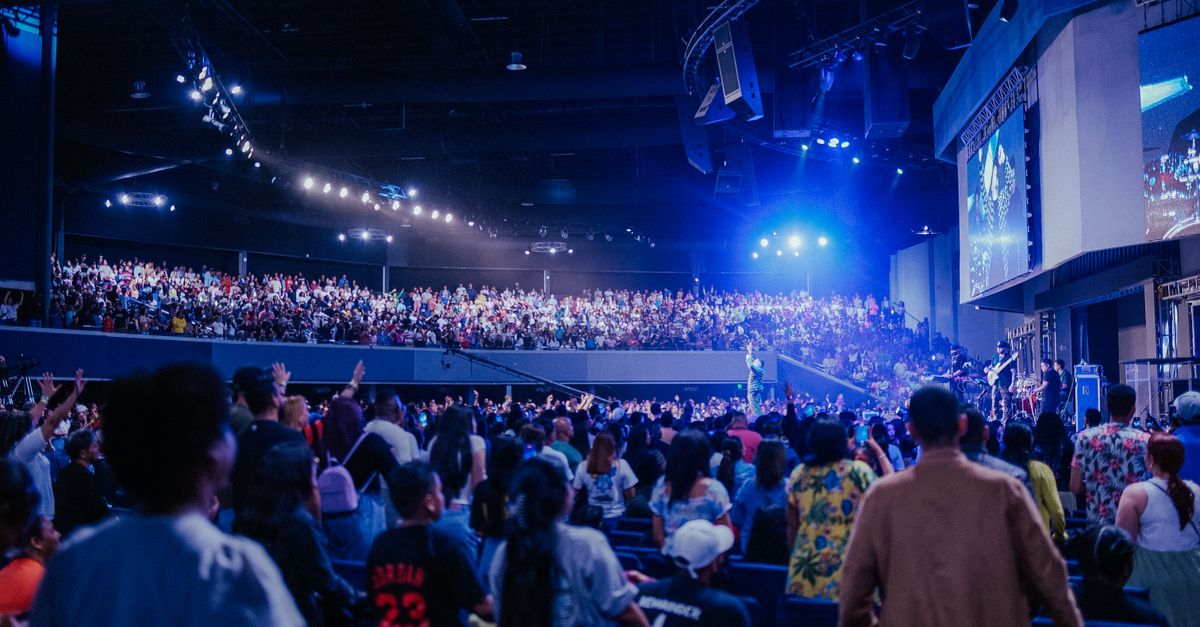
That was three years ago. Last week, I saw Akua again — but this time, she was standing in front of a crowd of 200 young entrepreneurs at the Christ Embassy Loveworld Arena in Ho, teaching them how to build a business from scratch using just a smartphone. She told me, “Kojo, I didn’t need a degree. I needed direction. I found it here.”
That’s the thing about youth empowerment in the Volta Region — it’s not just a buzzword. It’s a lifeline. And the Loveworld Arena programs are quietly changing the financial futures of young Ghanaians in ways most people don’t see coming.
The Money Problem Nobody Talks About in Ho
Let’s be honest — when we talk about youth empowerment in Ghana, we usually focus on Accra or Kumasi. The Volta Region gets treated like a vacation spot. Beautiful landscapes, friendly people, but economically? It’s often overlooked. And that’s a problem.
Here’s what most people miss: Ho is a hub of untapped potential. The youth here are hungry — not just for jobs, but for knowledge. They want to understand how money works, how to start businesses, and how to stop depending on government handouts. But the traditional education system? It’s teaching them history and theory while the real world demands practical financial skills.
I’ve found that the biggest barrier isn’t lack of talent — it’s lack of financial literacy. Young people in Ho know how to farm, sew, or trade, but they don’t know how to price their products, manage cash flow, or access capital. That’s where Christ Embassy Loveworld Arena steps in, and honestly, it’s one of the most practical youth empowerment programs I’ve seen in this region.
What Actually Happens at Loveworld Arena Programs
If you’ve never been to a Loveworld Arena session in Ho, let me paint the picture. It’s not a boring lecture hall with someone droning on about theory. It’s a hands-on, high-energy environment where young people learn by doing.
I sat in on a session last month called “The Money Blueprint.” The room was packed — about 150 young people, ages 16 to 35. Some were university students. Others were market sellers, taxi drivers, and even a few farmers. The speaker didn’t talk about stocks or cryptocurrency (though those come up later). Instead, she asked a simple question: “How much did you earn last week, and where did it go?”
The silence was deafening. Most of them couldn’t answer.
Here’s what the Loveworld Arena programs actually offer:
- Financial Literacy Workshops — These aren’t theoretical. You learn budgeting, saving, and investing using real numbers from your own life.
- Entrepreneurship Bootcamps — From idea validation to pitching for funding, they walk you through starting a business step by step.
- Mentorship Matching — You get paired with someone who’s already built what you want to build. I’ve seen a fish seller get mentored by a restaurant owner. It works.
- Access to Micro-Loans — Through partnerships with local financial institutions, participants can access small loans (as low as 500 cedis) to start or grow a business.
- Digital Skills Training — In 2025, if you can’t use social media to sell, you’re losing money. They teach you how to leverage Instagram, TikTok, and WhatsApp Business for actual revenue.
Why This Program Is Different From the Rest
I’ve seen dozens of youth empowerment programs in the Volta Region. Most of them have the same problem: they treat young people like empty vessels waiting to be filled. They lecture, they preach, they hand out certificates — and then nothing changes.
The Loveworld Arena approach is different. They don’t just teach you skills. They change your mindset about money.
Here’s an example: During one session, a 22-year-old named Kofi said he wanted to start a poultry farm but didn’t have capital. Most programs would have given him a motivational speech and sent him home. Instead, the facilitator asked him, “What do you have right now that you can sell?”
Kofi said he had a smartphone. The facilitator challenged him to start selling eggs on WhatsApp before buying a single chicken. He built a customer base of 50 people in two weeks using just his phone and a friend’s bicycle for delivery. He never needed a loan. He scaled from zero to profit using what he already had.
That’s the kind of thinking these programs instill. It’s not about waiting for someone to save you — it’s about using your existing resources to create value. That’s real empowerment.
The Hidden Financial Services Most People Don’t Know About
Here’s a secret that even some regular attendees don’t fully realize: Loveworld Arena offers services that go beyond workshops. If you’re serious about building wealth in the Volta Region, these are the hidden gems you need to know about:
- The Business Registry: They maintain a database of young entrepreneurs in Ho. If you’re looking for a supplier, a partner, or even a customer, this is gold. I’ve seen connections made here that led to six-figure deals.
- The Savings Club: It’s not a bank. It’s a group of young people who pool money weekly and lend to each other at zero interest. It’s like a susu scheme, but with financial education built in. Members learn to save, borrow responsibly, and build credit history.
- The Annual Pitch Fest: Every December, they host a competition where young entrepreneurs present their business ideas to investors. Last year, three businesses from Ho received funding totaling 50,000 cedis. One was a cassava processing startup. Another was a fashion line using local kente. The third? A tech platform connecting farmers to buyers.
- The Career Counseling Desk: Not everyone wants to be an entrepreneur. Some just want a good job. The Arena connects youth with job openings, internship opportunities, and even CV-writing workshops.
What the Numbers Actually Show
Let’s talk data, because I know some of you are skeptics (and that’s fine — I am too). I asked the program coordinators for their numbers. Here’s what they shared:
- Over 2,000 young people have gone through some form of training at the Loveworld Arena in Ho since 2022.
- 67% of participants reported starting or growing a business within six months of completing a program.
- The average income increase among regular attendees? 40% within one year.
- Loan repayment rate for micro-loans issued through the program? 94%. That’s higher than most commercial banks.
My Honest Take: What’s Missing and What’s Next
I’m not here to sell you a perfect story. There are gaps. The Loveworld Arena programs in Ho still struggle with scalability. They can only serve a few hundred people at a time, while thousands more need help. The funding is inconsistent — some months are packed with activities, others are quiet. And the digital skills training, while good, could be more advanced. We’re talking basic WhatsApp marketing when the world is moving toward AI-driven sales funnels.
But here’s what I believe: perfection is the enemy of progress. This program is doing more for youth financial empowerment in the Volta Region than most government initiatives or NGOs I’ve seen. It’s not waiting for permission. It’s acting.
If you’re a young person in Ho — or anywhere in the Volta Region — don’t wait for an invitation. Walk into the Loveworld Arena on a Tuesday or Thursday evening. Ask about the next workshop. Bring a notebook. Bring your dreams. And be ready to work.
Because the truth is, nobody is coming to save you. Not the government. Not your family. Not some charity from abroad. The only person who can change your financial future is you — but you don’t have to do it alone.
Akua didn’t. She walked into that Arena three years ago with nothing but a dream and a smartphone. Today, she employs five people, exports clothing to Accra, and mentors other young women. She’s not special. She just found a place that gave her the tools, the community, and the courage to start.
What’s stopping you?