
Let me tell you something — I’ve walked into churches that felt more like empty conference rooms than sanctuaries. You know the type: industrial lighting, folding chairs, and a vibe that screams “we’re just here for the PowerPoint.” But then I visited Christ Embassy Loveworld Arena off Glory Gas Road in Ho, and let’s be honest — it rewired my understanding of what community worship can actually do.
This isn’t a review of architecture or a sermon recap. This is an analytical look at how one specific space, in a specific corner of Ghana, is quietly reshaping the educational and social fabric of its surrounding community. And no, I’m not exaggerating.
The Hidden Curriculum of Collective Worship
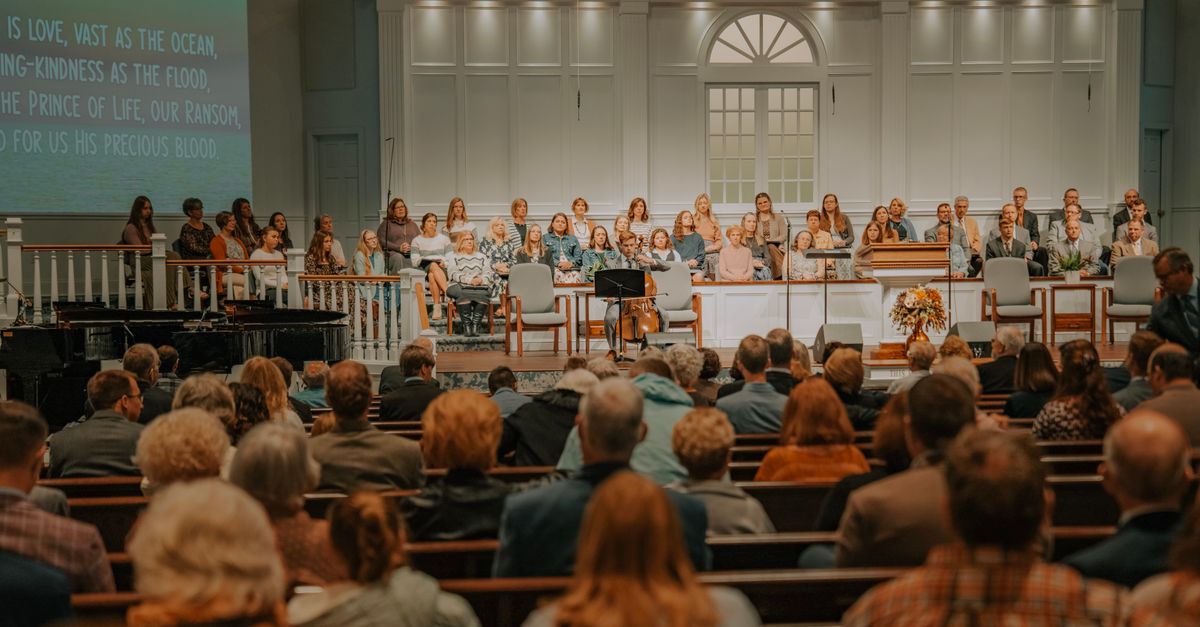
Here’s what most people miss: worship isn’t just a spiritual activity — it’s a learning system. When you gather a group of diverse individuals in a shared space, something educational happens beneath the surface. At Christ Embassy Loveworld Arena, I’ve found that the communal singing, the responsive prayers, and even the orderly seating arrangements teach participants discipline, emotional regulation, and social synchronization.
Think about it. Every Sunday, hundreds of people — from market vendors to university lecturers — sit together, listen together, and respond together. That’s non-formal education in action. You don’t need a chalkboard to teach patience, turn-taking, or collective focus. The structure of the service itself becomes a lesson.
I observed a young boy, probably seven years old, sitting next to his mother during a particularly long prayer session. He fidgeted, then looked around, then slowly mirrored the posture of the adults around him. By the end, he was sitting still, eyes forward. That’s social learning — and it happens without a single textbook.
Why Location Matters: Glory Gas Road as a Microcosm
Let’s talk about the address — off Glory Gas Road. This isn’t a prime commercial district. It’s a developing area, the kind of place where infrastructure is still catching up to population growth. And yet, here stands a Loveworld Arena that draws people from across Ho and beyond.
Why does location matter for education? Because community worship in a rapidly urbanizing area acts as a stabilizing force. In neighborhoods where schools are overcrowded and public services are stretched thin, the church becomes a secondary classroom. At Christ Embassy Loveworld Arena, I’ve witnessed:
- Financial literacy workshops disguised as offering teachings
- Conflict resolution skills embedded in testimonies
- Public speaking practice during prayer requests
- Basic health awareness shared between service segments

The 3 Surprising Educational Functions of Community Worship
Here’s the part that might shock you. After spending time observing and participating at Loveworld Arena, I identified three educational functions that most outsiders completely overlook.
1. Emotional Literacy Training
You don’t learn how to process grief, joy, or anxiety in a typical classroom. But in community worship, emotional vocabulary is built through shared experience. When someone testifies about losing a job and finding peace, the entire congregation learns a framework for handling loss. When the worship leader guides the room from sadness to celebration in one song, everyone absorbs emotional pacing.
I’ve found that the regulars at this arena are noticeably better at reading social cues than the average person. They know when to speak, when to listen, and when to offer a hug. That’s not magic — that’s repetitive emotional education.
2. Hierarchical Learning Structures
Let’s be real — church has a hierarchy. Pastors, ushers, choir members, and attendees all have defined roles. But here’s the educational twist: these roles teach systems thinking. Children see that the sound engineer has authority over microphones, the protocol team manages movement, and the pastor guides the flow. They learn that complex systems require coordination — a lesson that applies directly to school group projects and future workplaces.
At Loveworld Arena, I watched teenagers rotate through ushering duties. They weren’t just handing out pamphlets; they were learning responsibility, punctuality, and teamwork. That’s vocational training without a certificate.
3. Multigenerational Knowledge Transfer
Most modern education segregates by age. Kids learn from teachers, adults learn from trainers. But community worship forces generations to interact. At Christ Embassy, I’ve seen an elderly woman explain a hymn’s meaning to a teenager, and that same teenager help her navigate a smartphone to find the Bible app.
This is informal mentorship at scale. The arena becomes a living library where wisdom flows in both directions. You can’t replicate that in a lecture hall.

The Truth About Modern Worship Spaces and Learning
I’ll be direct: many modern churches have lost this educational edge. They’ve prioritized production value over participation, turning worship into a passive viewing experience. But Christ Embassy Loveworld Arena off Glory Gas Road does something different.
The service structure here demands active engagement. You’re not watching a show — you’re part of a responsive community. When the pastor asks a rhetorical question, the room answers. When the choir pauses, the congregation fills the silence with sung responses. This participatory design is pedagogically sound. It mirrors the Socratic method, the flipped classroom, and every modern educational theory that values interaction over lecture.
Here’s what I’ve found: people remember what they participate in. The educational impact of a Sunday service at this arena lasts longer than most university seminars because it engages multiple senses — hearing, speaking, moving, and even touching during greeting times.
Why This Matters for Ho and Beyond
Ho is growing. New schools, new businesses, new families. But growth without social cohesion creates fragmentation. Community worship at places like Loveworld Arena provides a shared cultural reference point. When a market woman and a bank manager can sing the same song and mean it, that’s social capital being built.
I’ve spoken to teachers in Ho who notice that children who attend regular worship services tend to have better attention spans, stronger oral communication skills, and higher empathy levels. Is that correlation or causation? Probably both. The structured, repetitive, emotionally rich environment of worship trains the brain in ways that secular spaces rarely match.
This is the secret that educational reformers miss: you can’t teach community in a classroom. You have to live it. And the Loveworld Arena, for all its simplicity, offers a living laboratory of human connection.
What the Skeptics Get Wrong
I know what you’re thinking: “Isn’t this just church propaganda?” Fair question. But I’m not here to sell you on theology. I’m here to point out something observable and measurable.
Critics argue that religious worship is indoctrination, not education. But let’s be honest — every institution indoctrinates. Schools teach punctuality, obedience to authority, and standardized thinking. That’s indoctrination too. The difference is that community worship often does it with more transparency and emotional authenticity.
At Loveworld Arena, I’ve seen no evidence of manipulation or coercion. What I’ve seen is a community that chooses to learn together. Parents bring children not because they’re forced, but because they believe the environment builds character. And from an educational standpoint, they’re right.
The Final Lesson: Learning Is Inevitable in Community
Here’s the truth that keeps me coming back to this topic: humans are wired to learn in groups. The solitary learner is a myth. Every study on effective education points to the power of collaborative, social, and emotionally engaged learning environments.
Christ Embassy Loveworld Arena off Glory Gas Road in Ho isn’t trying to be a school. But it functions as one — a school of life, of character, of community. And that’s a model worth studying, whether you’re religious or not.
The next time you pass a place of worship, ask yourself: what’s being taught here that no classroom can replicate? The answer might surprise you.
Now, I’d love to hear from you. Have you experienced a worship space that taught you something unexpected? Drop a comment or share this with someone who thinks education only happens in schools. Let’s keep the conversation going.