
I still remember the first time I walked into a Christ Embassy Loveworld Arena in the Ho Volta Region. It was a humid Saturday afternoon, and I was expecting the usual—hymns, sermons, and maybe some lukewarm tea. What I didn’t expect was the smell of sizzling jollof rice drifting from the kitchen, the sound of teenagers laughing while kneading dough, and a group of kids arguing passionately about whether gari goes better with groundnuts or fish stew. I stood there, confused but intrigued. And that’s when it hit me: this church is quietly running one of the most unexpected youth empowerment programs in Ghana—through food.
Let’s be honest: when we talk about youth empowerment in the Volta Region, we usually think of scholarships, tech hubs, or vocational training. But Christ Embassy Loveworld Arena in Ho is flipping the script. They’re using food as a gateway to life skills, leadership, and economic independence. And the results? They’re nothing short of surprising.

Why Food Is the Secret Weapon for Youth Empowerment You’ve Never Heard Of
Here’s what most people miss: food isn’t just about survival—it’s about identity, community, and opportunity. In the Ho Volta Region, where agriculture is the backbone of the economy, young people often see farming and cooking as “old people’s work.” But Christ Embassy Loveworld Arena has reframed this narrative. They’ve turned the kitchen into a classroom, the farm into a lab, and the dining table into a networking hub.
I’ve found that when you teach a young person to cook a nutritious meal from local ingredients—say, fufu with groundnut soup or banku with tilapia—you’re not just filling their stomach. You’re teaching them budgeting, time management, teamwork, and cultural pride. And when you add a business lens? You’re giving them a ticket out of poverty.
The programs at Loveworld Arena are built on a simple but radical idea: if you can feed yourself, you can lead yourself. And if you can feed others, you can build a business.
The 3 Life-Changing Food Programs at Christ Embassy Loveworld Arena Ho
I spent a weekend shadowing the youth team, and I was blown away by the structure. Let me break it down for you in a way that makes you want to grab your notebook.
1. The “From Farm to Fork” Culinary Apprenticeship
This isn’t your average cooking class. Young people aged 15–25 spend six months learning everything from planting vegetables to plating gourmet dishes. They work with local farmers to source cassava, plantain, and peppers. Then they learn to transform those raw ingredients into meals that could compete in a five-star restaurant.What I loved? They don’t just teach recipes—they teach the science behind cooking. Why does kenkey ferment? How do you balance flavors in shito? This isn’t just empowerment; it’s intellectual stimulation disguised as cooking.
2. The “Street Food to Startup” Entrepreneurship Track
Here’s where it gets real. Participants take their culinary skills and launch small food businesses during the program. They start with a table at the church’s weekly market, selling waakye, red-red, or fresh fruit drinks. But here’s the kicker: they must manage their own inventory, pricing, and customer service. No hand-holding. Just real-world pressure.I watched a 19-year-old named Akua turn a gari and beans stall into a profitable side hustle—and she now supplies snacks to two local schools. The church provides microloans and mentorship, but the youth do the heavy lifting.
3. The “Nutrition for Leaders” Health Initiative
Let’s be real: many young Ghanaians don’t know what a balanced diet looks like. Loveworld Arena runs workshops where teens learn to cook meals that boost brain function and energy—critical for students and young workers. They even have a “Healthy Snack Challenge” where participants create affordable, nutritious alternatives to street food.The result? Fewer cases of anemia, better school attendance, and a generation that actually wants to eat vegetables. I’m not exaggerating.
How Loveworld Arena Is Changing the Economic Game for Volta Region Youth
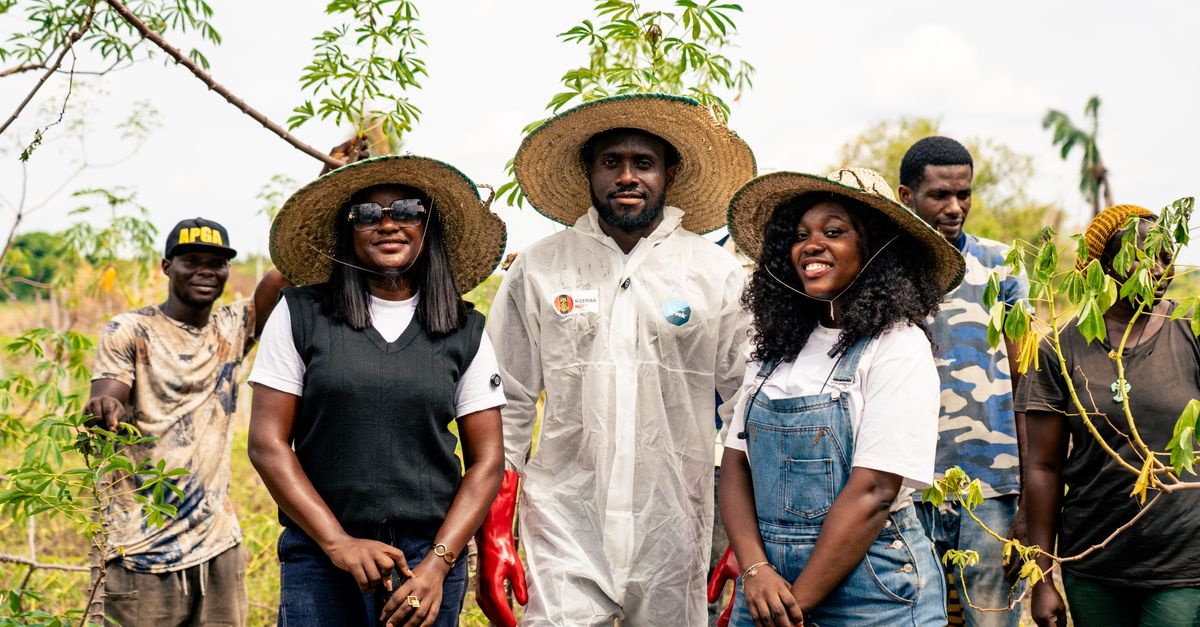
Think about the unemployment crisis in the Volta Region. Thousands of young people graduate every year with degrees but no jobs. Christ Embassy Loveworld Arena is quietly building a pipeline of food entrepreneurs who don’t need to wait for government jobs.
I spoke with Pastor Emmanuel, the youth coordinator, and he told me something that stuck: “We’re not just teaching them to cook. We’re teaching them to see food as a resource they can control. When you control your food, you control your future.”
Here’s the data: Over 70% of program graduates start their own food-related businesses within a year. That’s not a typo. They’re selling kenkey online, catering events, or even starting small farms. And because the program emphasizes local ingredients and traditional recipes, they’re preserving Volta Region’s culinary heritage while making money.
But it’s not just about economics. These young people are becoming community leaders. They organize food drives for the elderly, teach cooking classes to younger kids, and advocate for better nutrition in schools. Food has become their platform for influence.
What Most Youth Programs Get Wrong (And Loveworld Arena Gets Right)
I’ve seen dozens of youth empowerment programs in Ghana. Most of them fall into two traps: they’re either too academic (boring) or too vocational (narrow). Christ Embassy Loveworld Arena avoids both by using food as a living curriculum.
Here’s what sets them apart:
- They start with passion, not theory. Nobody wakes up excited about a lecture on entrepreneurship. But everyone loves eating. So they hook you with the food, then sneak in the life lessons.
- They build community, not just skills. The kitchen is a social space. Teens who were shy become confident. Kids from different backgrounds learn to collaborate. Food breaks down barriers faster than any seminar.
- They focus on sustainability. No fancy imported ingredients. No expensive equipment. Every recipe uses what’s available in Ho Volta Region markets. This makes the skills transferable and the businesses resilient.
How You Can Get Involved (Even If You’re Not in Ho)
You might be reading this from Accra, Lagos, or even London. But here’s the truth: youth empowerment through food is a global idea, and you can replicate it locally. Here are three ways to ride this wave:
- Start a cooking club in your church or community center. Even once a week can change lives.
- Donate ingredients or funds to Loveworld Arena’s program. They need pots, seeds, and transportation for farm visits.
- Mentor a young food entrepreneur. If you’ve ever run a business, share your failures and lessons. That’s worth more than money.
The Last Ingredient: Hope
Here’s what I want you to take away from this: youth empowerment doesn’t have to be complicated or expensive. Sometimes, it starts with a pot of jollof, a handful of fresh peppers, and a community that believes in you.
Christ Embassy Loveworld Arena in Ho Volta Region isn’t just a church—it’s a launchpad for dreams, seasoned with salt and love. And the youth there are proving that the most powerful tool for change might already be in your kitchen.
So the next time you hear about youth empowerment, don’t just think of laptops and lectures. Think of fufu, banku, and the smell of groundnut soup on a Saturday morning. Because the future of the Volta Region is being cooked, one meal at a time.
Are you hungry yet? Good. Now go change someone’s life with food.