
It was a Thursday night, not a Sunday morning, when my phone buzzed with a text from my cousin. Not a meme, not a family group chat update. Just two words: “I’m out.”
I knew exactly what she meant. She wasn’t quitting her job. She was quitting church. And she wasn’t alone. In 2025, the word on everyone’s lips—especially in faith circles—is deconstruction. It’s the process of dismantling long-held religious beliefs, piece by piece, and honestly? It’s spreading faster than a viral TikTok trend.
Let’s be real: if you haven’t heard someone say “I’m deconstructing my faith” in the last six months, you’re probably not leaving your house. But what’s actually driving this mass exodus from pews to podcasts? And is it a crisis or a correction?
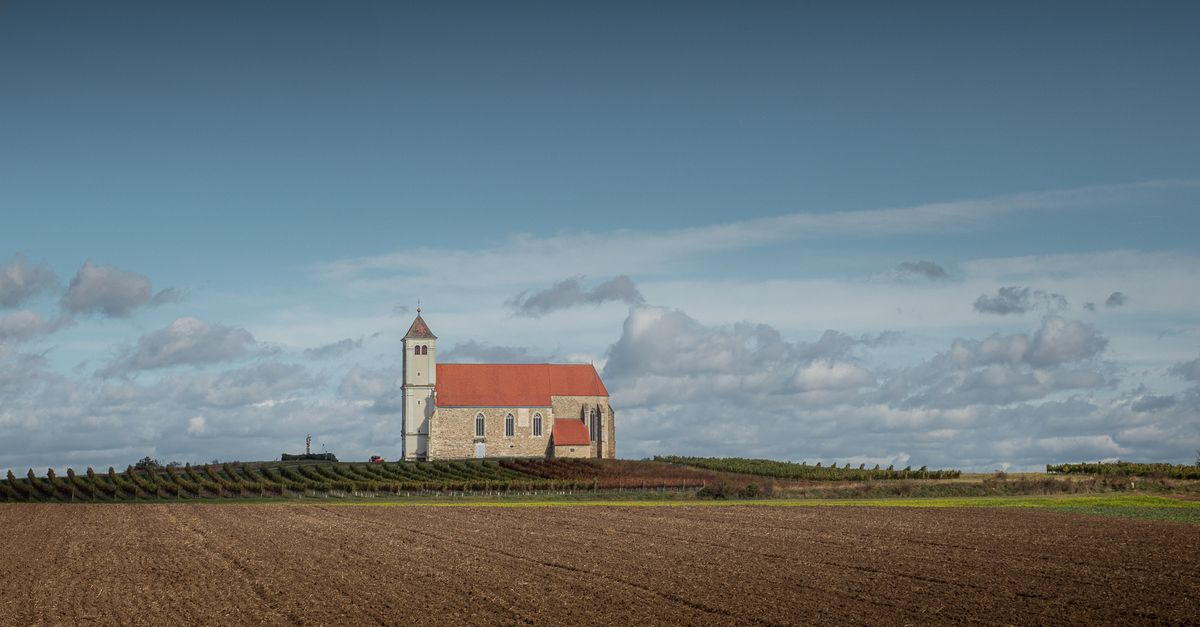
The "Shiny" Thing Everyone Misses About Deconstruction
Here’s what most people miss. We love to blame deconstruction on one thing: the internet. Oh, the internet is the boogeyman, right? It’s convincing your sweet grandma that the earth is flat, and your youth pastor’s kid that the Bible is a fairy tale.
But that’s lazy analysis. The real reason millions are questioning their faith in 2025 is simpler, and scarier. It’s emotional whiplash.
We grew up in a world that promised certainty. Your pastor told you, “God has a plan.” Your parents said, “Just pray about it.” Then, 2020 hit. Then 2024 happened. Then you watched your church split over politics, or your friend get cancer at 27, or that “prayer warrior” get exposed for something terrible.
I’ve found that deconstruction doesn’t start with a doubt about God. It starts with a doubt about the system. You start asking: If the formula works, why does everything feel broken?
People aren’t leaving because they hate Jesus. They’re leaving because they’re exhausted from performing a faith that didn’t protect them from real life. In 2025, the mask is off. And nobody wants to wear it anymore.
The 3 Surprising Things Nobody Tells You About Deconstruction
You’d think deconstruction is just a fancy word for “losing your salvation.” But having talked to dozens of people going through it, here are the hidden truths that change the conversation:
- It’s rarely about doctrine – Most people aren’t deconstructing because they suddenly discovered the Trinity is a lie. They’re deconstructing because the community was toxic. It’s about feeling judged, shamed, or abandoned by the people who were supposed to love them.
- It’s not the end of faith – This is the secret sauce. Most people who deconstruct don’t become atheists. They become spiritual explorers. They drop the label “Christian” but pick up a journal, a yoga mat, or a fascination with the mystics. They aren’t losing faith; they’re losing a version of God that was too small.
- It’s painfully lonely – The worst part? When you start asking questions, the people who said they’d “always be there” often disappear. I’ve seen families break, friendships dissolve, and entire social circles vanish because one person said, “I’m not sure about hell anymore.”

Why 2025 Is the Year Faith Hit a Tipping Point
You might be thinking, “People have doubted God since Cain and Abel. Why is 2025 special?”
Fair question. But 2025 is unique because of a perfect storm of three factors:
- Information saturation – You can’t un-see a YouTube video exposing the dark history of the Crusades. You can’t un-hear a podcast with a former megachurch pastor admitting he faked his sermons for 20 years. The veil is thin.
- The death of institutional authority – After COVID, after the political chaos, after the scandals... people don’t trust the building anymore. They trust their gut. And their gut is telling them that something is off.
- The rise of “authenticity culture” – Gen Z and Millennials would rather be labeled “lost” than “fake.” If the church can’t be real about its struggles, they’ll leave to find a community that can. And they are. In droves.
So, Is Deconstruction a Good Thing or a Bad Thing?
Honestly? It’s both.
Deconstruction is terrifying if you’re a pastor watching your congregation shrink. It’s heartbreaking if you’re a parent watching your child walk away from what you taught them.
But let’s be painfully honest: Deconstruction is also a gift.
It forces you to ask: What do I actually believe? Not what was I told to believe. That’s a question that creates mature, resilient humans. Not robots.
I’ve found that people who go through deconstruction and come out the other side—whether they stay Christian, become Buddhist, or land in agnosticism—are some of the most compassionate, thoughtful, and humble people I know. They don’t have all the answers, but they’ve stopped pretending they do. And that’s beautiful.
What the Church (and Everyone Else) Gets Wrong
Here’s the painful truth the institution is missing: You can’t stop deconstruction by arguing louder. You can’t fix it with a better sermon series or a more rockin’ worship band. You fix it by becoming a safe person.
If your response to someone’s doubt is “Just pray more” or “You’re being deceived by Satan,” you’re pushing them out the door faster than any atheist ever could.
What people in 2025 need is not a doctrine. They need a witness. Someone who sits in the mess with them and says, “I don’t have the answer either, but I’m not leaving you.”
That’s it. That’s the whole secret. Deconstruction thrives in isolation and dies in connection.

Final Thought: The Question You’re Afraid to Ask
If you’re reading this and you’re in the middle of your own deconstruction, let me tell you something I wish someone had told me: It’s okay to not know.
You don’t have to have a neat, tidy faith that fits in a box. You don’t have to apologize for your questions. The fact that you’re wrestling means you’re alive. And if God is real, God can handle your anger, your doubt, and your grief.
The rise of deconstruction in 2025 isn’t the death of faith. It’s the death of a fake faith. And maybe, just maybe, that’s exactly what the world needs.
So, where do you land? Are you deconstructing, reconstructing, or just trying to survive the wreckage? Drop a comment. Let’s talk about it. Because the worst thing we can do is pretend we’re not all asking the same question: Is this really it?