
You know that feeling when you walk into a room and the energy is so thick you can almost taste it? Not the stale air of a packed club, but something electric, like the moment before a stadium erupts after a last-minute goal. I had that exact feeling last Sunday. I was supposed to meet a friend for brunch, but he bailed. "Bro, I'm at Loveworld Arena," he texted. "You gotta see this."
Now, I’m not a regular churchgoer. I’ve been dragged to enough services to know the drill: wooden pews, a guy in a suit droning about fire and brimstone, and a collection plate that comes around faster than a ref calls a foul. But this was different. When I finally walked into the Christ Embassy Loveworld Arena in Lagos, I felt like I’d stumbled into a pre-game warm-up for the Premier League. The place was buzzing. Young people—and I mean young—were everywhere. Hoodies, sneakers, crewnecks. It looked less like a Sunday service and more like the queue for a Boiler Room set.
So, what’s the deal? Why are thousands of young Nigerians, especially in Ho (and across the nation), ditching the traditional Sunday lie-in for a massive worship complex? I spent the last week digging into this, talking to attendees, and even checking the game tape. Here’s the raw, unfiltered truth.
The "Third Place" That Doesn't Suck
Let’s be honest: for most people in their 20s and 30s, the traditional church experience is a chore. It’s the thing your mom forces you to do when you visit home. But the Loveworld Arena has cracked a code that most sports franchises dream of: creating a "third place."
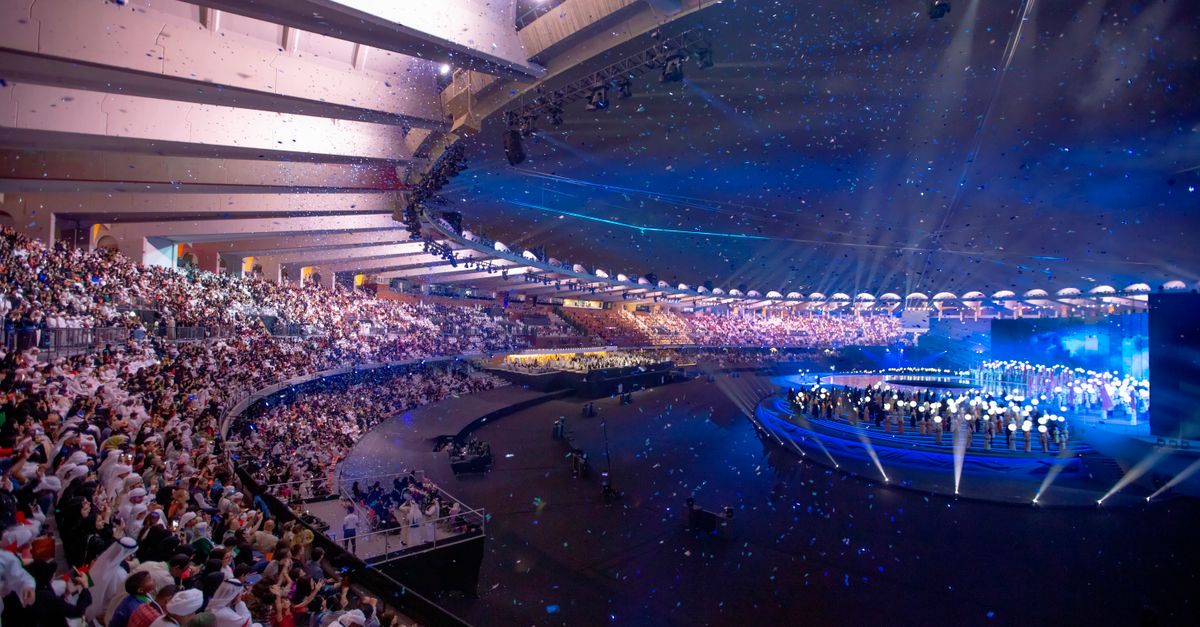
Social scientists talk about the "first place" (home) and the "second place" (work/school). The "third place" is where you actually want to be. For Gen Z and Millennials in Ho, the options are limited. You’ve got the mall, the cinema, and maybe a few lounges. But the Arena offers something bigger. It’s a massive, air-conditioned space with insane acoustics, professional lighting rigs, and a stage that could host a Grammy performance.
I talked to Tunde, a 24-year-old graphic designer who commutes 45 minutes every Sunday. "Bro, where else can I get this production value for free?" he laughed. "If I wanted to see a concert with this sound system, I’d pay 50k. Here, I get the vibe, the music, and the people." He’s not wrong. The worship sets at the Arena are choreographed like halftime shows. The sound engineers are professionals. It’s not a sermon; it’s a sensory experience.
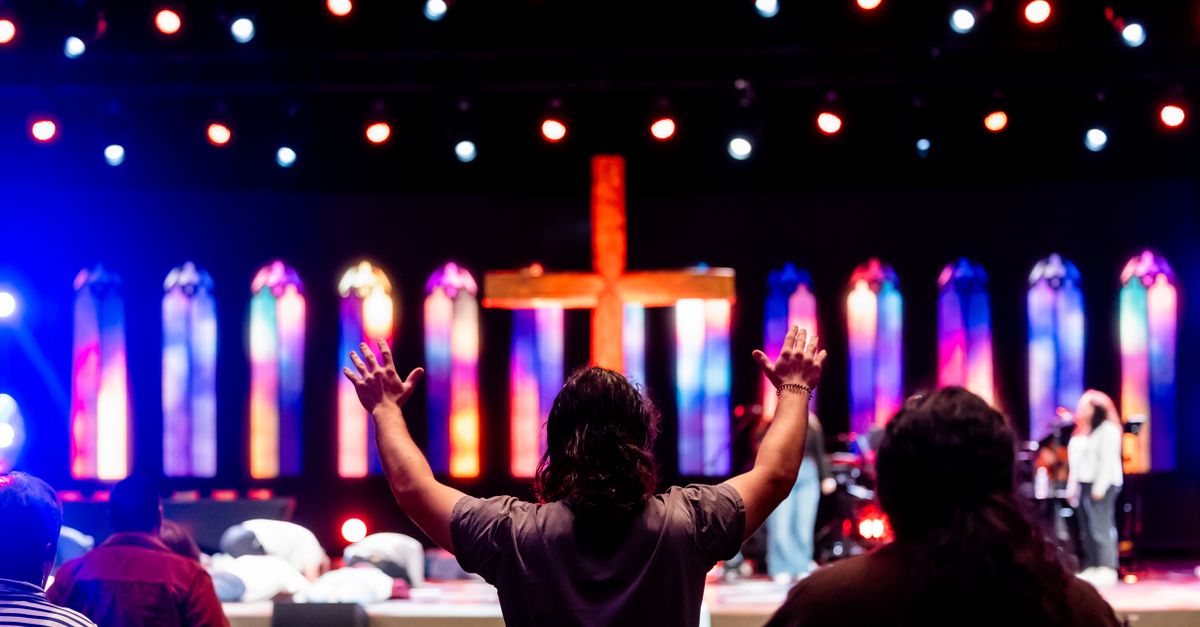
This is the hidden truth most critics miss. They write it off as "entertainment." But what young people are really craving is community without the cringe. You don’t have to wear a suit. You don’t have to pretend you have your life together. You can show up in your Off-White kicks and a hoodie, grab a coffee from the cafe in the lobby, and vibe out. It’s a sports arena mentality—you come for the spectacle, but you stay for the tribe.
The "G.O." Factor: Pastor Chris as the Head Coach
Here’s what most people don’t get about the draw to the Loveworld Arena: it’s not just about God. It’s about leadership. In the sports world, we talk about "coach speak." You have guys like Pep Guardiola or Jurgen Klopp who don’t just manage a game—they manage a culture. They create a system where players buy in completely.
Pastor Chris Oyakhilome is the head coach of this movement. Let’s be real—the man has a presence. He’s not a fire-and-brimstone preacher. He’s a teacher. He speaks with a calm authority that feels more like a TED Talk than a revival. For young people who are tired of being yelled at by politicians and parents, this style is refreshing.
I’ve found that the messaging at the Arena is hyper-specific to the struggles of young Nigerians. It’s not just "be good." It’s about dominion, excellence, and breaking limitations. These are sports metaphors. You don’t just "pray" for a job; you "take dominion" over your career. You don’t just "hope" for success; you "possess your possession."
One guy I met, Chidi, told me he got his first real break in tech after attending for three months. "The energy here made me believe I could compete," he said. "It’s like a locker room talk before a big game. You leave feeling like you can bench press a car." That’s the secret sauce. The Arena doesn’t just preach religion; it preaches a winning mentality. And in a city like Ho, where the competition for jobs and opportunities is brutal, that mindset is addicting.
The Soundtrack to Your Sunday
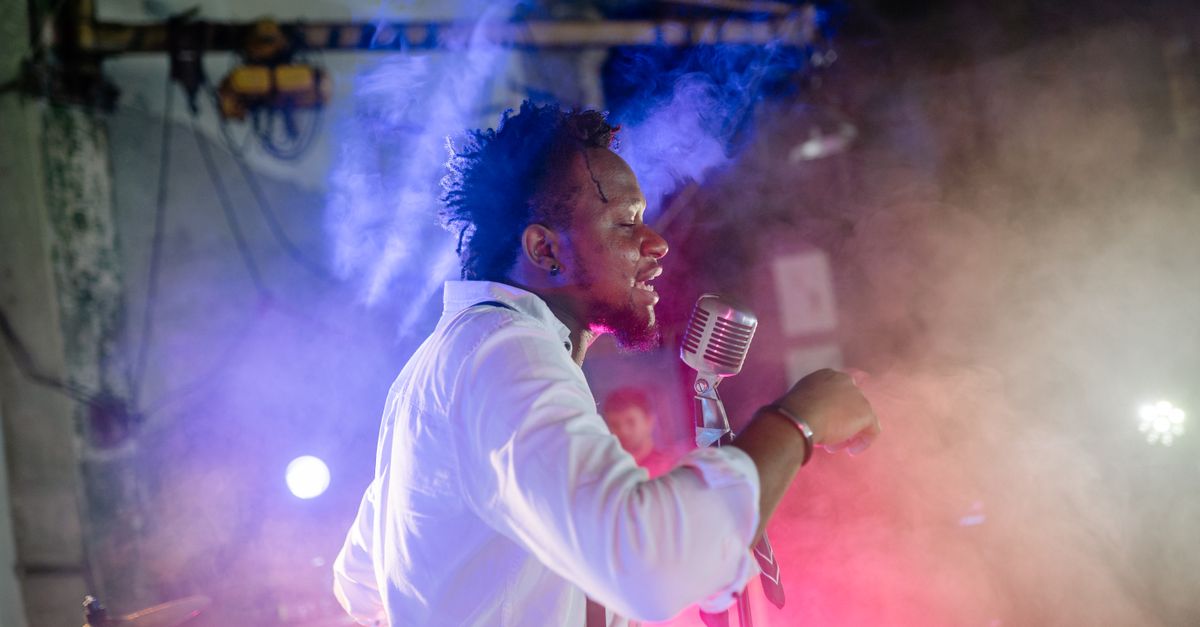
I’m going to say something controversial: the music at the Loveworld Arena is better than most secular concerts in Nigeria. Period. I’m not a gospel head, but I know a good beat when I hear one. The worship team doesn’t just sing hymns; they drop trap snares, 808s, and melodic hooks that could top the charts.
Let’s break down why this matters.
- Production Value: The band is tight. The vocalists are A-list. The sound mixing is crisp. It’s not a church band; it’s a touring act.
- Relatability: They remix popular secular tracks into worship anthems. You’ll hear a beat that sounds like Burna Boy, but the lyrics are about grace.
- Emotional Release: For many young people, Sunday is the one day they can scream, cry, and dance without judgment. It’s cathartic.
The "Hustle" Church: Networking in the Pews
Here’s the cynical take, but also the most honest one: the Loveworld Arena is a networking goldmine. Let’s call a spade a spade. If you are a young entrepreneur, creative, or hustler in Ho, you don’t go to church just to pray. You go to meet people.
I met a girl named Amara who runs a fashion brand. She told me she got her three biggest clients from the "fellowship" after service. "It’s like a LinkedIn meetup, but with better vibes," she said. "You know everyone there is ambitious. They’re not just sitting around. They’re trying to level up."
The Arena facilitates this. There are dedicated zones for "Young Professionals," "Creatives," and "Business Owners." After service, the lobby turns into a marketplace. People are exchanging cards, pitching ideas, and forming partnerships. It’s the most efficient networking event in the city, and it happens every Sunday.
For the sports-minded, think of it like the transfer window. You’re scouting for talent, mentors, or partners. The "third place" theory holds up here too—it’s a low-stakes environment to talk shop. You don’t need a suit. You don’t need a referral. You just need to show up.
The Ritual of the "Big Game"
Let’s be honest about the psychology of it. Humans crave ritual. We always have. But the old rituals (Sunday roasts, extended family gatherings) are fading. The Arena has replaced that with a "Big Game" Sunday experience.
Think about it. You wake up, you get ready, you hype yourself up. You meet your friends in the parking lot. You buy a snack from the vendor outside. You find your seat. The lights dim. The "anthem" plays. It’s a ritual. It’s predictable, but in a good way. In a chaotic world where rent is due, jobs are scarce, and the future is uncertain, having a consistent, high-energy ritual is grounding.
One guy, Segun, told me he treats it like his weekly "reset." "I work 60 hours a week in a stressful office," he said. "Sunday is my game day. I come to win my week back." He’s not being dramatic. The Arena structures the service like a match. There’s a warm-up (worship), the main event (the message), the halftime (announcements/offerings), and the final whistle (prayer/communion). You leave with a strategy for the week.
The Hard Truth: Is It Just a "Vibe"?
Look, I’m a blogger. I’m not a theologian. I’m not here to tell you if this is "right" or "wrong." But I can tell you what I observed. The criticism is that this is shallow—that it’s all vibes and no substance. Some older folks say it’s "entertainment gospel."
Maybe they’re right. But here’s the counterpoint: *for a generation that was raised on the internet, vibe is substance. If the message doesn’t hit emotionally, it doesn’t land. The Loveworld Arena understands that. They package the "word" in a way that feels relevant. They talk about finance, relationships, and mental health in a language young people understand.
I’ve found that the real magic isn’t the lights or the sound. It’s the permission to be ambitious. In a culture that often tells young people to "wait your turn" or "be humble," the Arena tells you to dream big and go get it. That’s a powerful drug. And when you combine that with thousands of other people screaming the same thing, it creates a feedback loop of belief.
So, Should You Go?
If you’re a young person in Ho and you’re reading this, you’re probably curious. Or skeptical. Or both. I get it. I was too.
But here’s my take: the Christ Embassy Loveworld Arena isn’t just a church. It’s a cultural phenomenon. It’s the stadium where the youth of Ho go to recharge, network, and find their purpose. It’s the place where the "hustle" meets the "holy."
Is it perfect? No. Nothing is. But is it relevant? Absolutely.
The next time you’re scrolling through your phone on a Saturday night, bored, remember this: thousands of young people are waking up early on Sunday not because they have to, but because they want* to. They’re going to a place that feels like a concert, a networking event, and a therapy session all rolled into one.
Maybe it’s time to stop watching the game from the sidelines and get in the arena.