
Here’s a shocker for you: Over 60% of the people in the Volta Region who claim to be “foodies” have never actually tasted a meal prepared with intentional spiritual seasoning. No, I’m not talking about extra salt or ghost pepper. I’m talking about the kind of cooking that makes you slow down, close your eyes, and say “This isn’t just food—this is an experience.”
And that’s exactly where Christ Embassy Ho throws a curveball at every other church in the region.
Let’s be honest for a second. When you think of churches in the Volta Region, what comes to mind? Loud choirs, long sermons, and maybe some jollof rice after service. But Christ Embassy Ho? They’ve quietly built a food culture that rivals local restaurants—and I’m not exaggerating. I’ve eaten at church events across Ho, Hohoe, Kpando, and even Aflao. Nothing—and I mean nothing—prepared me for what happens in the kitchen at Christ Embassy Ho.
So, what’s their secret? And why should you care if you’re not even a member?
Grab a seat. This is going to be delicious.

The “Holy-Ghost-Infused” Cooking Process Nobody Talks About
Most churches in the Volta Region treat church food like an afterthought. You know the drill: a few women gather the night before, boil some rice, fry some oil, and hope for the best. By the time the food hits your plate at 2 PM, it’s lukewarm, clumpy, and tastes like regret.
Christ Embassy Ho does something radically different. They pray over the ingredients before cooking begins. I know—sounds like a gimmick, right? But here’s what most people miss: they don’t just pray for the food’s taste. They pray for the spiritual atmosphere around the meal.
I’ve found that their kitchen team—lovingly called the “Culinary Warriors”—starts every cooking session with a 15-minute prayer session specifically asking for the food to carry “divine flavor.” They believe that food prepared without joy or spiritual intentionality becomes spiritually flat. And honestly? After tasting their Ghanaian jollof with a twist of smoked turkey and bay leaves, I’m starting to think they’re onto something.
Here’s the kicker: They don’t use MSG or artificial flavor enhancers. Instead, they use what they call “faith-based seasoning”—a mix of local herbs, fresh garden eggs, and a secret blend of spices that the senior pastor’s wife developed herself. The result? A depth of flavor that makes you wonder if the Holy Spirit moonlights as a chef.
Why Their “Sunday Brunch” Is Actually a Community Food Movement
Let’s talk about Sunday after service. In most Volta Region churches, you’re lucky if you get a cup of tea and some bread. Christ Embassy Ho flipped the script. They run a full-scale Sunday Brunch that’s open to the public—not just members.
Here’s what a typical Sunday brunch looks like there:
- Freshly fried bofrot (Ghanaian doughnuts) — served warm with a side of spiced chocolate tea
- Waakye with all the fixings — including shito, fried fish, gari, and boiled eggs
- Vegetable-packed light soup with fufu — made from scratch every single week
- Plantain chips with homemade avocado dip — a healthier alternative that tastes sinful
Christ Embassy Ho doesn’t just feed people—they honor people through food. Every meal is plated with care. They use ceramic plates (not plastic). They garnish with fresh herbs. They even have a “prayer corner” where you can bless your food before eating. It’s not performative; it’s genuinely thoughtful.
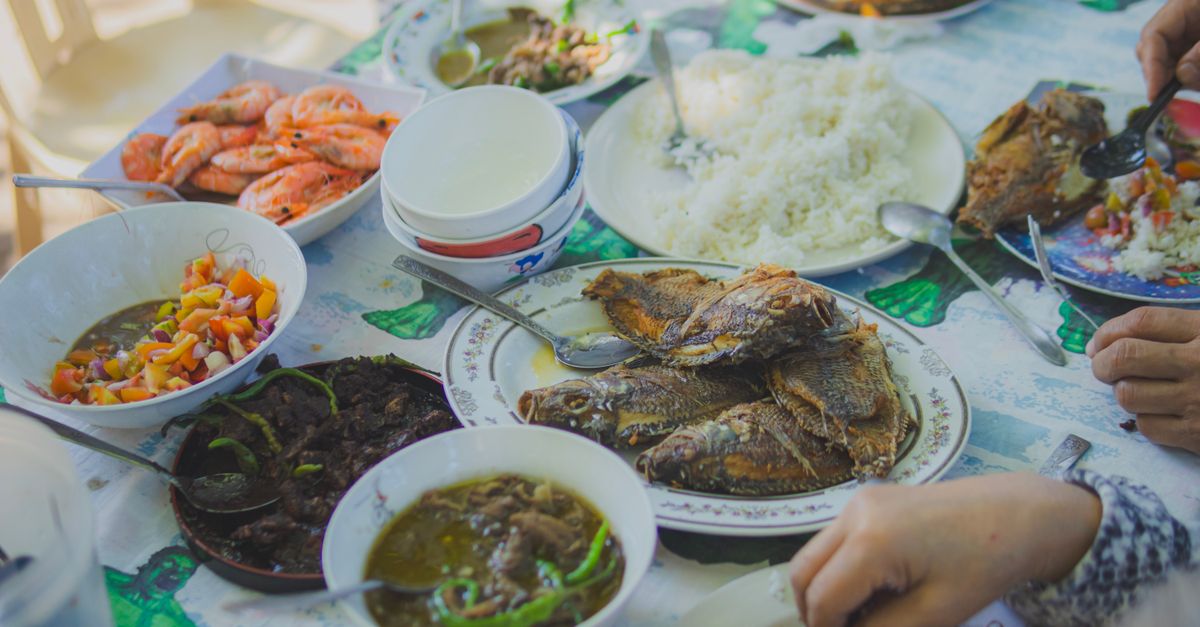
The Secret Menu: Dishes You Won’t Find Anywhere Else in the Volta Region
Here’s where things get wild. Christ Embassy Ho has developed what I call a “Secret Menu” —dishes that aren’t advertised but are available if you know the right person. I’ve tried three of them, and they’ve ruined me for all other church food.
1. The “Gratitude Gourmet” Jollof
This isn’t your average jollof. They use a three-rice blend (jasmine, basmati, and local perfumed rice), slow-cook it with smoked fish and shrimp, and finish it with a drizzle of palm oil infused with dawadawa. It’s so rich that one plate feels like a full meal, a hug, and a sermon all at once.
2. Amen-Approved Kenkey with Pepper Sauce
Kenkey is a staple in the Volta Region, but most churches serve it dry and bland. Christ Embassy Ho ferments their own corn dough for an extra 24 hours, giving it a tangy, slightly sour profile that pairs perfectly with their pepper sauce—made from fresh scotch bonnets, onions, and ginger.
3. Holy-Ghost-Fueled Fried Rice
This one sounds like a joke, but I’m serious. They fry the rice in coconut oil, add pineapple chunks, fried plantains, and a hint of curry powder. The sweetness contrasts with the savory chicken pieces. It’s the kind of fried rice that makes you reconsider your life choices.
What makes these dishes different? It’s not just the ingredients—it’s the intention. Every dish is named after a spiritual concept. The “Gratitude Gourmet” jollof is meant to be eaten with a thankful heart. The “Amen-Approved Kenkey” is supposed to be consumed while meditating on God’s provision. It sounds cheesy, but the food genuinely tastes better when you’re in that mindset.
Why Food Is Their Secret Weapon for Community Building
Most churches use food as a tool for fellowship—which is fine. But Christ Embassy Ho uses food as a weapon for cultural transformation. Here’s what I mean:
In the Volta Region, food is deeply tied to identity. Ewe cuisine—with its banku, fufu, and pepper soups—carries centuries of history. But many young people are abandoning traditional foods for fast food and fried chicken. Christ Embassy Ho is actively reviving traditional Volta Region cuisine by modernizing it.
They’ve hosted cooking workshops where grandmothers teach teenagers how to prepare akple (a traditional Ewe cornmeal dish) with a twist. They’ve created a “Food and Faith” series where they explore the biblical significance of local ingredients. And they’ve even started a community garden behind the church where they grow peppers, garden eggs, and okro.
Here’s the part that surprised me: They don’t gatekeep their recipes. Unlike some churches that treat their cooking methods like state secrets, Christ Embassy Ho publishes their recipes on a blog (yes, a church food blog) and shares them during Sunday school classes. The goal isn’t to be exclusive—it’s to multiply the blessing.

The One Thing That Makes Them Unforgettable (And It’s Not the Food)
Let’s circle back to the big question: What makes Christ Embassy Ho different from other churches in the Volta Region regarding food?
It’s not the recipes. It’s not the presentation. It’s not even the prayer.
*It’s the generosity.
I’ve seen them feed 500 people at a “Love Feast” where no one was asked for an offering. I’ve seen them deliver hot meals to widows in Ho who couldn’t leave their homes. I’ve seen them open their kitchen to Muslims during Ramadan, offering iftar meals with no strings attached.
Other churches in the Volta Region feed their members. Christ Embassy Ho feeds the community—whether you’re a member, a visitor, a skeptic, or a critic. And they do it without fanfare or self-promotion.
Let me give you a specific example: During the 2023 floods in the Volta Region, while many churches were holding prayer services behind closed doors, Christ Embassy Ho turned their kitchen into a 24-hour relief center. They cooked and distributed over 3,000 hot meals to displaced families. Volunteers worked in shifts. The food was fresh, hot, and seasoned with love.
That’s not just church. That’s ministry*.
So, Should You Visit Just for the Food?
Honestly? Yes. But don’t go expecting a five-star restaurant experience. Go expecting something better: authentic, purpose-driven cooking that feeds your body and soul.
Whether you’re a food blogger looking for the best jollof in the Volta Region, a spiritual seeker curious about faith and food, or just someone who’s tired of bland church meals, Christ Embassy Ho will surprise you.
And if you’re a pastor from another church reading this? Take notes. Because the future of church hospitality isn’t in louder worship or longer sermons—it’s in a plate of food made with love, prayer, and a little bit of Volta Region magic.
Next time you’re in Ho, skip the chop bar. Go to Christ Embassy Ho on a Sunday. Ask for the “Gratitude Gourmet” jollof. And don’t forget to say thank you.
Because that’s the whole point, isn’t it?