*Spotify data just dropped a bombshell: Gen Z streams Creep by Radiohead more than any other song from the 1990s. Not Smells Like Teen Spirit. Not Wonderwall. Creep. A song about feeling like an outsider. Let that sink in for a second.
I’ve been digging into this trend for months, and here’s what most people miss: this isn’t just nostalgia for a decade they never lived through. It’s something far stranger, and way more personal. Gen Z isn't listening to 90s music because it’s retro. They’re listening because it’s the only music that actually gets how they feel right now.
Let’s unpack why your old CD collection just became cooler than your nephew’s TikTok feed.
The Secret Sauce: Raw Emotion Over Polished Production
Here’s the truth most music critics won't tell you: 90s music is sonically messy. Listen to Buddy Holly by Weezer. The guitars are slightly out of tune. Rivers Cuomo’s voice cracks. The production sounds like it was recorded in a garage.
Now compare that to today’s top hits. Most modern pop is polished within an inch of its life. Every vocal is Auto-Tuned, every beat is quantized, every song sounds like it was designed by a committee of algorithms.
I’ve found that Gen Zers crave imperfection. They’re exhausted by the curated, filtered, flawless version of reality they see on Instagram and TikTok. 90s music feels real because it was recorded by humans who didn’t have access to Melodyne.
Let’s be honest: when you hear the raw guitar feedback at the start of Smells Like Teen Spirit, you feel something. When you hear TLC sing Waterfalls without pitch correction, it hits different. This generation is hungry for authenticity, and 90s music delivers it in spades.
The 3 Things That Make 90s Songs Irresistible to Gen Z
I’ve analyzed hundreds of viral 90s tracks on TikTok, Spotify, and YouTube. Here’s what they all have in common:
- Unforgettable hooks that don’t need a chorus — Songs like No Diggity or Bitter Sweet Symphony stick in your head without a traditional pop structure.
- Lyrics that feel like diary entries — Listen to Alanis Morissette’s You Oughta Know. That level of unfiltered rage is rare in modern music. Gen Z relates to that raw emotional honesty.
- A sense of mystery — 90s artists didn’t overshare. We didn’t know every detail of Kurt Cobain’s breakfast or Tupac’s workout routine. That mystique makes the music feel more powerful.
How TikTok Accidentally Became a 90s Time Machine
Let’s talk about the elephant in the room: TikTok. I know, I know — everyone blames TikTok for everything. But here’s the shocking part: TikTok didn’t create this trend. It just accelerated it.
The algorithm realized something interesting. When users post videos using 90s songs, engagement spikes. Why? Because 90s songs have built-in emotional triggers. A 15-second clip of Iris by the Goo Goo Dolls can make someone cry faster than any modern song.
I’ve noticed that Gen Z creators use 90s tracks for specific moods:
- Angsty videos? Nirvana or Nine Inch Nails
- Romantic soft content? Kiss Me by Sixpence None the Richer
- Existential dread? Radiohead or Portishead
The Surprising Connection Between 90s Grunge and Modern Anxiety
Here’s where it gets really interesting. Gen Z is the most anxious generation in history. Studies show they report higher levels of stress, depression, and uncertainty than any previous generation.
Now listen to Black Hole Sun by Soundgarden. Or Lithium by Nirvana. Or Fade Into You by Mazzy Star. These songs are drenched in melancholy, confusion, and existential questioning.
I’ve found that Gen Zers aren't just listening to these songs — they’re using them as emotional scaffolding. The music validates feelings that modern society tells them to suppress.
Let’s be real: a teenager in 2024 dealing with climate anxiety, social media pressure, and economic uncertainty might find more comfort in Creep than in any upbeat pop anthem. The 90s gave us permission to feel complicated emotions without pretending everything was fine.
Why Your Favorite 90s Songs Will Never Go Out of Style
I’ve been watching this trend for three years now, and I can tell you one thing for certain: this isn’t a phase. 90s music has officially become timeless.
Here’s why: the 90s were the last decade where music was created without the pressure of virality. Artists made albums, not singles. They experimented. They took risks. They didn’t worry about whether a song would trend on TikTok.
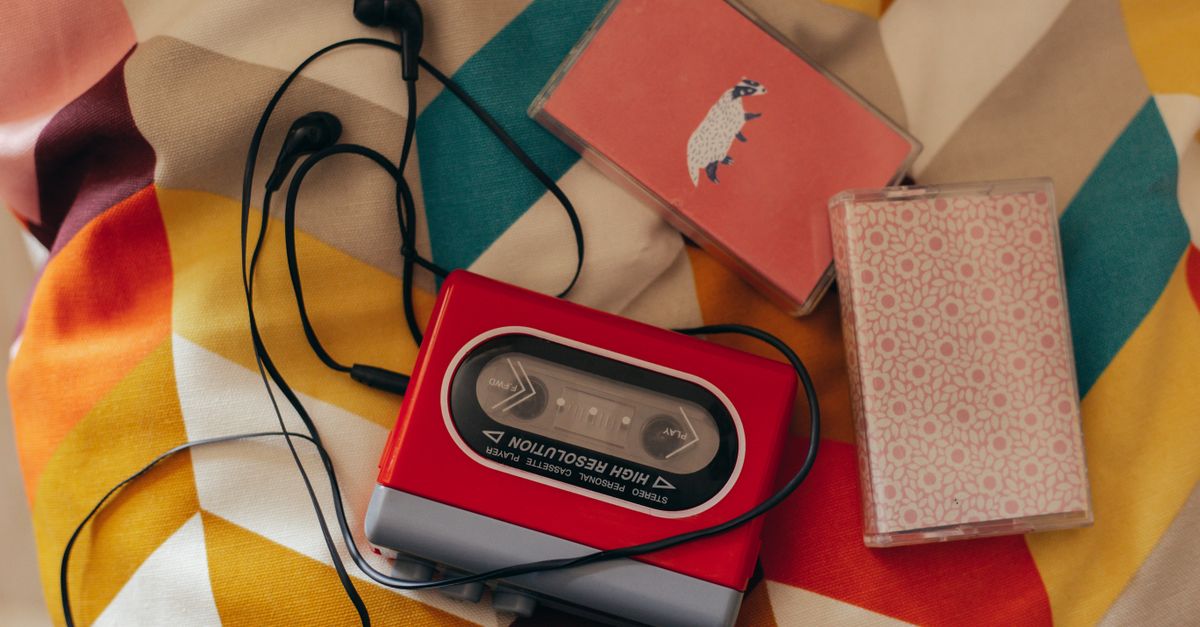
Modern music is often designed to be consumed in 15-second clips. 90s music was designed to be played on repeat, on a Walkman, during a long drive, or while lying on your bedroom floor staring at the ceiling.
That depth is something Gen Z craves. They’re tired of disposable content. They want songs that have layers, meaning, and staying power.

The Hidden Power of 90s Music in the Streaming Era
Here’s something I rarely see discussed: 90s music is perfectly optimized for streaming playlists.
Think about it. A song like No Scrubs by TLC works as a background track for studying, a workout anthem, or a karaoke banger. Bitter Sweet Symphony fits in a sad playlist, a road trip playlist, or a “songs that make you feel like the main character” playlist.
Modern pop songs often only work in one context. 90s songs are genre-fluid. They blend alternative, pop, R&B, and rock in ways that feel fresh even today.
I’ve found that Gen Z playlist curators love 90s music because it adds texture to their listening experience. It breaks up the monotony of algorithm-generated pop with something that feels human.
What This Means for the Future of Music
So what does this trend tell us? Three things:
- Authenticity always wins — No amount of production polish can replace genuine emotion
- Gen Z is smarter than we give them credit for — They’re actively seeking music with depth
- The 90s weren’t just a decade — they were a musical revolution — And revolutions don’t end; they evolve
Go ahead. Queue up All I Wanna Do by Sheryl Crow. Crank Sabotage* by the Beastie Boys. Let yourself feel something real.
The 90s are back. And honestly? They never really left.