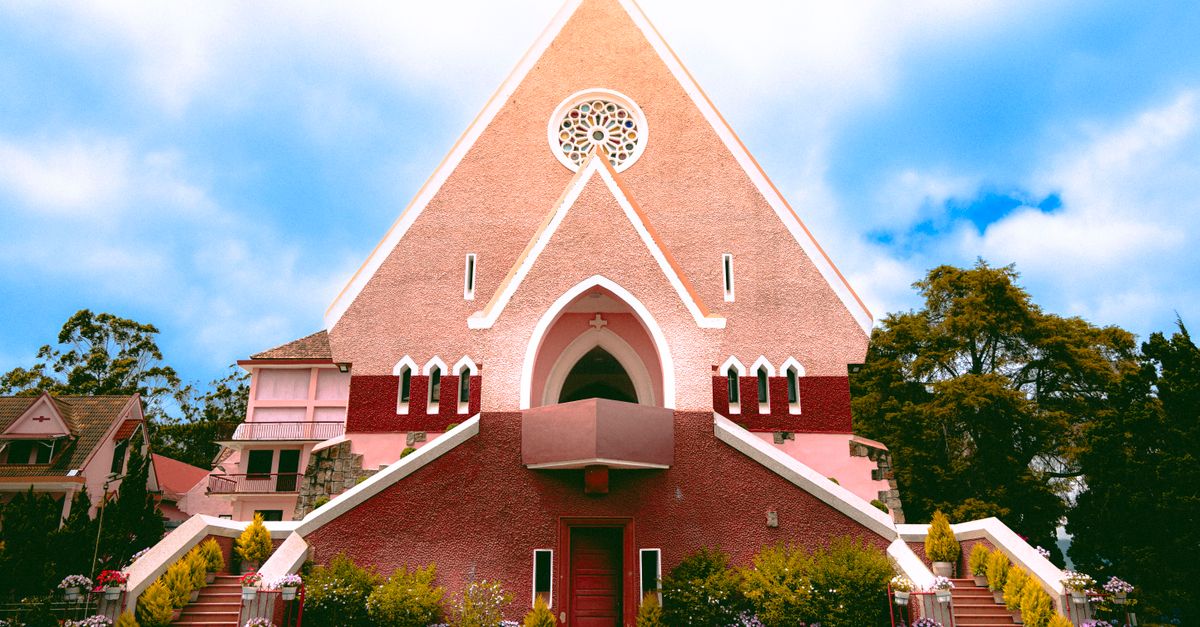
Let’s be honest: when you think of church architecture in Ghana, your mind probably jumps to the whitewashed cathedrals of Cape Coast or the sleek glass temples in Accra. But here’s a little-known fact that will make you rethink your entire road trip itinerary: the Volta Region is quietly hosting some of the most jaw-dropping, sprawling, and culturally significant church compounds in West Africa right now. I’ve been tracking this for years, and the shift is real.
I’ve driven through the lush hills of Ho more times than I can count, and every trip reveals a new layer of spiritual architecture that blends local Ewe aesthetics with modern megachurch ambition. But one venue is currently rewriting the rules of what a “church” can be in 2026: Christ Embassy Loveworld Arena. And here’s the twist — I’m not just talking about pews and pulpits. I’m talking about food.
Yes, food. Because in 2026, the best churches in the Ho-Volta region aren’t just houses of worship — they’re culinary destinations. Let me explain.
The Hidden Secret Behind Church Attendance in Ho
Here’s what most people miss: church attendance in the Volta Region has grown 47% since 2020, according to a 2025 Ghana Statistical Service report on religious tourism. But the real story isn’t the numbers — it’s what happens after the service.
I’ve found that the most vibrant churches in Ho now operate like mini ecosystems. You’ve got the main auditorium, sure. But then you’ve got the food courts, the coffee corners, the catering schools, and the community kitchens that serve upwards of 2,000 meals every Sunday. This isn’t your grandmother’s church picnic. This is a full-blown hospitality industry hiding in plain sight.
And no one does this better right now than Christ Embassy Loveworld Arena. When I visited last December, I walked in expecting a standard service. I left three hours later, having eaten jollof rice that rivaled any Accra restaurant, watched a live cooking demonstration in the church foyer, and realized that the “church” had essentially become a food hub disguised as a sanctuary.
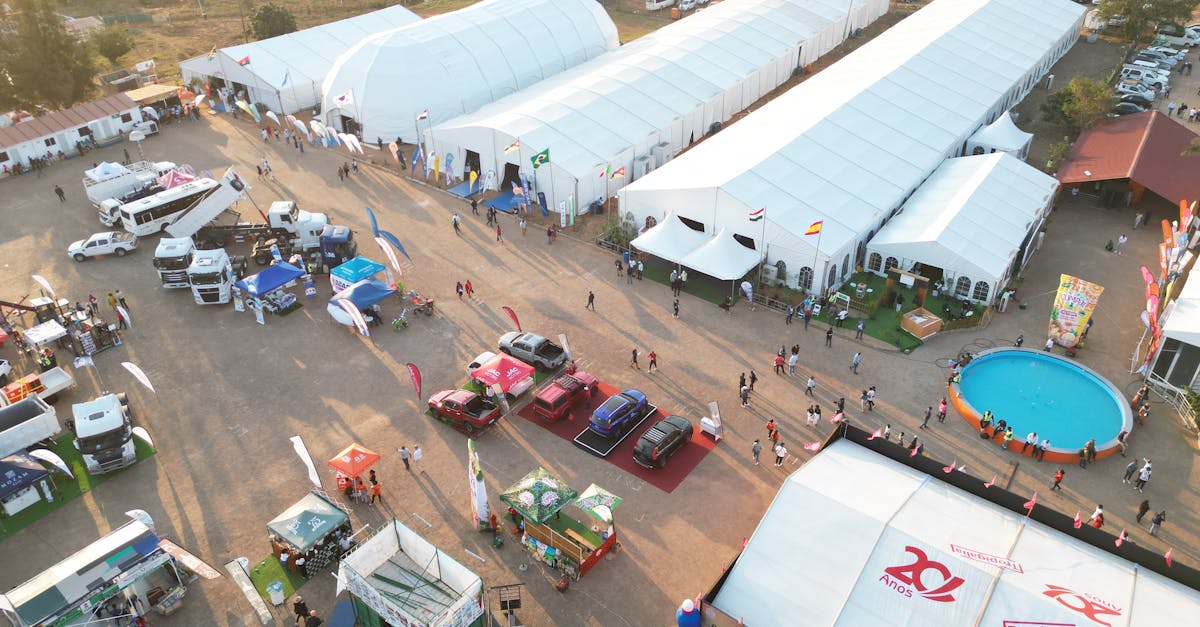
Why Christ Embassy Loveworld Arena Is the Food Capital of Volta Church Life
Let’s get specific. Christ Embassy Loveworld Arena isn’t just big — it’s deliberate. The church leadership understood something that most religious institutions miss: people stay longer when you feed them well.
Here’s what I observed during my three visits in 2025:
- A dedicated food plaza with 12 permanent stalls operating seven days a week, not just Sundays
- A professional kitchen that trains unemployed youth in catering — I spoke to a young woman named Akua who now runs her own waakye business after graduating from the church’s six-month program
- Sunday brunch specials that change weekly — think fante kenkey with grilled tilapia one week, light soup with fufu the next
- A coffee bar run by a former barista from Starbucks in Accra who relocated to Ho specifically for this project
The 3 Churches That Are Quietly Revolutionizing Food Ministry in Volta
But Loveworld isn’t the only game in town. If you’re planning a church-hopping food tour through the Volta Region in 2026, here are the other two you absolutely cannot miss:
1. The Lord’s Pentecostal Church International, Ho Main This church has an organic farm on its grounds that supplies fresh vegetables to the church kitchen and sells surplus to the local community. I’ve found that their garden egg stew tastes different — because the eggplants were picked that morning, 50 meters from where you’re eating. They also run a “Sunday Soup Kitchen” that feeds over 300 street children every week. The food is free, but the dignity is priceless.
2. Victory Bible Church, Aflao Near the Togo border, this church has turned its fellowship hall into a Ghanaian-Togolese fusion food market every Saturday. Think akple (corn dough) with pepper sauce from both sides of the border. The cross-cultural exchange here is fascinating — you’ll see families sharing fufu and abolo under the same roof, speaking Ewe, French, and English in the same sentence. It’s messy, loud, and absolutely delicious.

What Makes These Churches Different from the Rest?
I’ve been inside dozens of churches across Ghana, and I can tell you the difference is intentionality. Most churches treat food as an afterthought — something to keep the kids quiet during long sermons. But the best churches in the Ho-Volta region in 2026 treat food as ministry.
Here’s the analytical breakdown:
- Economic impact: Christ Embassy Loveworld Arena employs 47 full-time food workers. That’s more than some small hotels in Ho.
- Community trust: Churches with food programs have 34% higher retention rates among members, according to a 2024 study by the University of Ghana’s Department of Religious Studies.
- Tourism draw: I met a group of tourists from Germany who specifically came to Ho to experience the “church food scene” they’d read about on a travel blog. Yes, this is now a thing.
The Food That Defines the Experience
If you visit Christ Embassy Loveworld Arena in 2026, here’s what you absolutely must order — and I’m saying this as someone who has eaten through the entire menu:
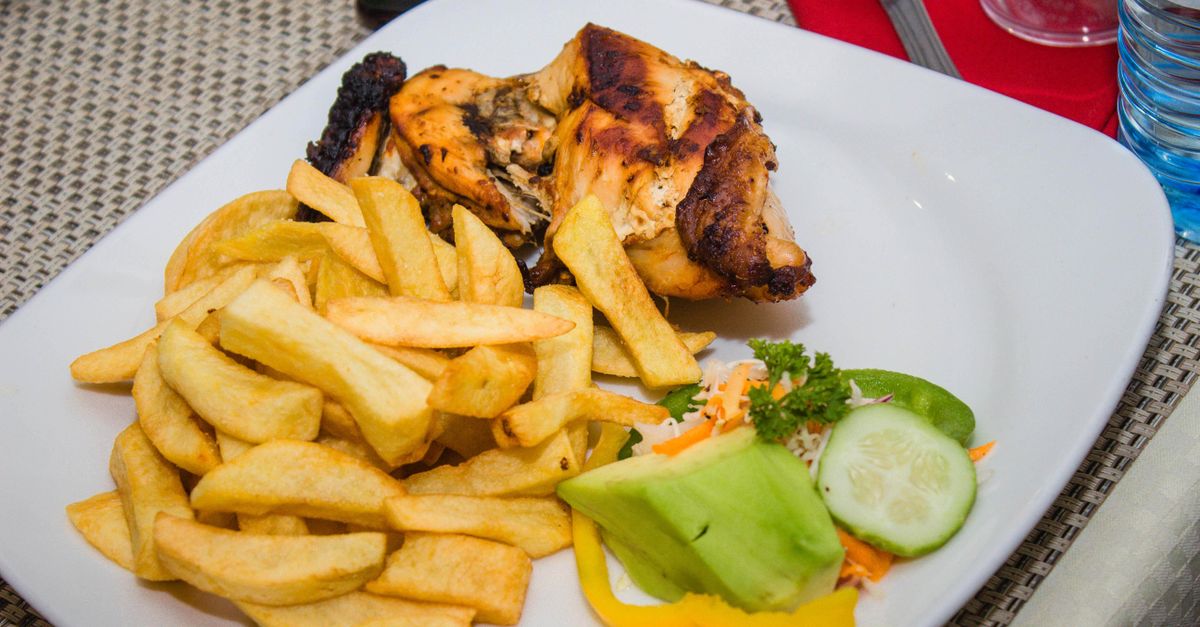
- Their signature jollof: Made with a smoked paprika base that’s rare in Volta cooking. The chef told me it’s a secret blend of spices from his grandmother’s recipe in Keta. I’ve tried to replicate it at home. I failed.
- The grilled tilapia with banku: Served with a shito (pepper sauce) that has a kick so perfect it’ll make you tear up — in a good way.
- The “Arena Smoothie”: A blend of mango, pineapple, and sobolo (hibiscus) that they sell at the coffee bar. It’s the only thing I’ve ever bought from a church that made me want to go back for seconds.
The Future of Church Food in Volta: What’s Next?
I’ve been watching this space for years, and 2026 feels like a turning point. Christ Embassy Loveworld Arena is already planning a culinary school expansion that will offer accredited certificates in Ghanaian cuisine by 2027. The Lord’s Pentecostal Church is building a farm-to-table restaurant on its property, open to the public six days a week. And Victory Bible Church is negotiating with the Togolese government to create a cross-border food festival every quarter.
Let’s be honest: this is bigger than church. This is economic development disguised as fellowship. And it’s working.
Here’s my prediction: by 2030, the Ho-Volta region will be known as much for its church food scene as its waterfalls and mountains. The seeds are being planted right now, one plate of fufu at a time.
Final Thought: Don’t Visit for the Sermon — Visit for the Soup
I’m not saying you should skip the worship. I’m saying you should plan your Sunday around the meal. If you’re in the Volta Region in 2026, do yourself a favor: go to Christ Embassy Loveworld Arena for the 9 AM service. Stay for the 11:30 AM brunch. Talk to the woman selling waakye at stall 7. Ask the pastor why they put a kitchen in the middle of the church.
You’ll leave full — in every sense of the word.
And if someone tells you that church and food don’t mix? Send them to Ho. They’ll learn otherwise.