
My grandmother had a jar of it in her pantry for forty years. She used it in everything from Sunday pot roast to Wednesday meatloaf, and yet when I asked her for the "secret ingredient" that made her gravy taste like heaven, she just shrugged and pointed to the jar. "It's just... that stuff," she said.
I thought she was hiding something. Turns out, she wasn't. She was just using the most underrated, budget-friendly, flavor-bomb ingredient that professional chefs have been hoarding for decades. And now, it's finally having its moment in the spotlight.
Let's be honest: we've all been seduced by $18 bottles of fancy vinegar and truffle-infused everything. But the real revolution in home cooking isn't coming from a boutique spice shop. It's coming from a can. A humble, slightly ugly, shelf-stable can that you've probably walked past a thousand times.
I'm talking about canned tomato paste.
Yeah, I know. Not sexy. Not trendy. But stick with me, because what I'm about to share will change the way you cook forever. And no, I'm not talking about spooning it straight from the can onto pasta (though, let's be real, we've all done that at 2 AM).
The Secret Weapon You Already Own
Here's what most people miss: tomato paste isn't just a thickener. It's a concentrated umami bomb. When you cook it down — really cook it down — something magical happens. The sugars caramelize. The acids mellow. The flavors deepen into this almost meaty, savory complexity that chefs call ketchup for adults. But better.
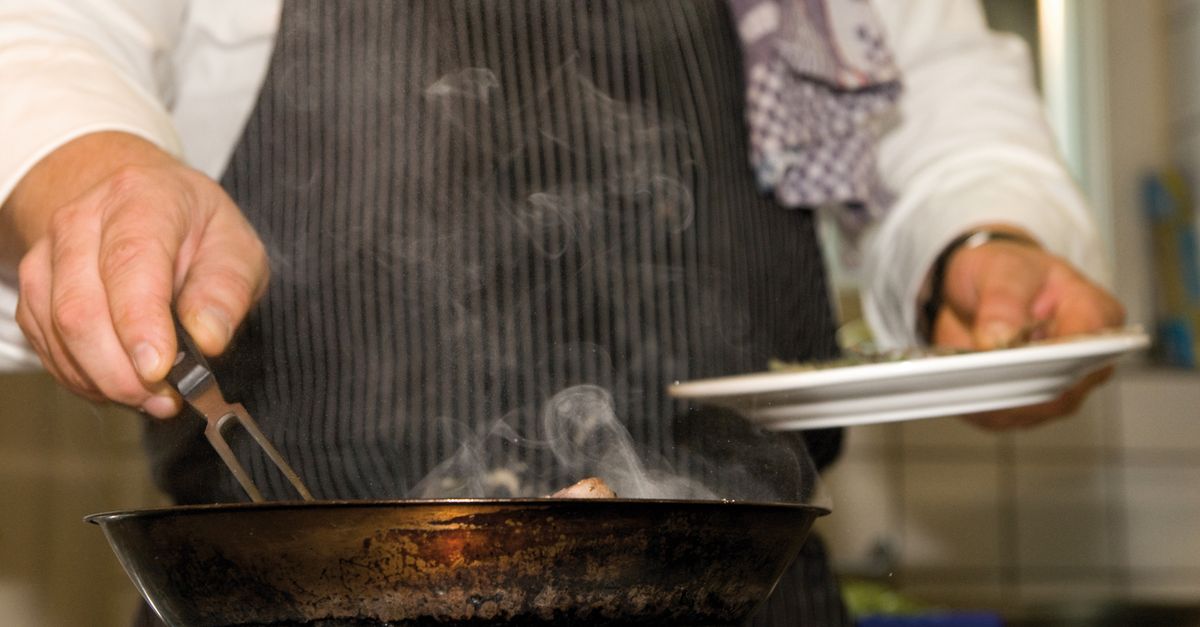
I've found that the difference between a good stew and a great stew is exactly two tablespoons of tomato paste that you let sizzle in the pan for three full minutes before adding any liquid. Most people skip this step. They dump the paste in with the broth and wonder why their dish tastes flat. No. You have to toast it. Let it stick to the bottom of the pan just a little. That brown stuff? That's flavor. That's the revolution.
Professional chefs have known this for years. They call it "building a base." But home cooks? We've been treating tomato paste like a background player when it should be the star.
The 3 Things Tomato Paste Does Better Than Anything Else
I've been testing this theory for the past six months, and I've narrowed it down to three game-changing applications that will blow your mind:
- It gives vegetarian dishes actual depth — No more bland lentil soup. A spoonful of tomato paste that's been cooked until dark brown will make you forget there's no meat in the pot. It's like a cheat code for vegan cooking.
- It fixes bland sauces in 60 seconds — Got a jar of marinara that tastes like sweetened cardboard? Add a tablespoon of tomato paste that you've fried in olive oil with a pinch of salt. Boom. Instantly richer, more complex, less acidic.
- It makes your roasted vegetables taste like candy — I'm not kidding. Toss carrots or Brussels sprouts with a thin layer of tomato paste before roasting. The sugars concentrate. The edges get crispy. You'll never go back.
Why Chefs Are Obsessed with the Tube
Here's where it gets interesting. Tomato paste in a tube (yes, the kind that looks like toothpaste for adults) is the real game-changer. The canned version is fine, but it forces you to either use the whole can or deal with a half-used, oxidized mess in your fridge. The tube? You squeeze out exactly what you need, screw the cap back on, and it stays fresh for months.
I've started keeping two tubes in my pantry at all times. One for savory cooking, and one for... well, I'll get to that in a second.
Chefs love the tube because it allows for precision. You're not guessing. You're not wasting. And the flavor concentration is actually higher than canned paste because the production process is slightly different. It's like having a secret ingredient that fits in your pocket.

The Unexpected Way I'm Using It (And You Should Too)
Okay, here's where I might lose some of you. But trust me on this.
Tomato paste in desserts.
I know. I know. But hear me out. A tiny amount of tomato paste — like, half a teaspoon — added to chocolate cake batter or brownie mix does something extraordinary. The acidity cuts through the richness. The natural umami enhances the cocoa flavor. And the sugar content helps create a fudgier texture.
I first tried this after reading about a famous pastry chef who uses it in her signature chocolate tart. I was skeptical. I made the brownies anyway. My husband asked what I'd done differently because they were "the best brownies of my life." I told him the truth. He didn't believe me until I showed him the tube.
Here's the recipe that changed my mind:
- Your favorite boxed brownie mix
- Add 1 tablespoon of tomato paste (from the tube)
- Reduce the oil by 1 tablespoon
- Bake as directed
How to Make This Your New Kitchen Ritual
If you're ready to join the revolution, here's my three-step plan for incorporating tomato paste into your daily cooking:
Step 1: Buy the right product. Look for double-concentrated tomato paste in a tube. The brands with the Italian flag on the label are usually solid. Avoid anything that says "puree" — that's different and won't give you the same results.
Step 2: Cook it before you add liquid. This is non-negotiable. Heat your oil or butter, add the paste, and stir constantly for 2-3 minutes until it darkens and starts to stick. You'll smell the difference — it goes from raw to roasted in seconds.
Step 3: Experiment without fear. Add it to chili. Stir it into scrambled eggs. Mix it into salad dressing. Spread a thin layer on grilled cheese before you add the cheese. The possibilities are endless, and the worst that can happen is you learn something new.

The Truth About "Secret Ingredients"
Look, I'm not saying tomato paste is going to turn you into a Michelin-star chef overnight. But I am saying that the best cooking secrets are usually the simplest ones. We get so caught up in chasing trends and buying specialty ingredients that we forget the power of what's already in our kitchen.
My grandmother knew this. She never chased a trend in her life. She just understood that a little bit of something concentrated could transform everything it touched.
So here's my challenge to you: this week, buy a tube of tomato paste. Use it in something unexpected. Toast it. Taste it. Let it change the way you think about cooking.
Because the revolution isn't coming from a farm-to-table restaurant or a celebrity chef's cookbook. It's sitting on the shelf at your local grocery store, right next to the canned beans and the chicken broth.
And it costs less than your morning coffee.
Go get it. Your dinner will thank you.