Let me tell you something — I never thought I’d be writing about church in a food blog. But here we are. And honestly? After what I saw last Sunday at Christ Embassy Loveworld Arena in Ho, I can’t stop thinking about it. Not because of the preaching (though that was solid). Not because of the music (which was actually fire). But because of what happened after the service — the food.
Yes, food.
If you’re in Ho, or anywhere near the Volta Region, you’ve probably noticed the buzz. Young people — I’m talking university students, fresh graduates, young entrepreneurs — they’re flooding into Christ Embassy Loveworld Arena like it’s the hottest new spot in town. And it’s not just for the worship. There’s something deeper, something almost secret happening here. And I’m about to spill it.
Here’s what most people miss: this isn’t just a church. It’s a movement. And at the center of it? A food culture that’s quietly rewriting what Sunday service means for the youth in Ho.
The Sunday That Changed My Mind
I’ll be honest — I went in skeptical. I’ve been to church services where the only thing on offer after the sermon is a stale biscuit and warm water. You know the type. But Loveworld Arena? Different story.
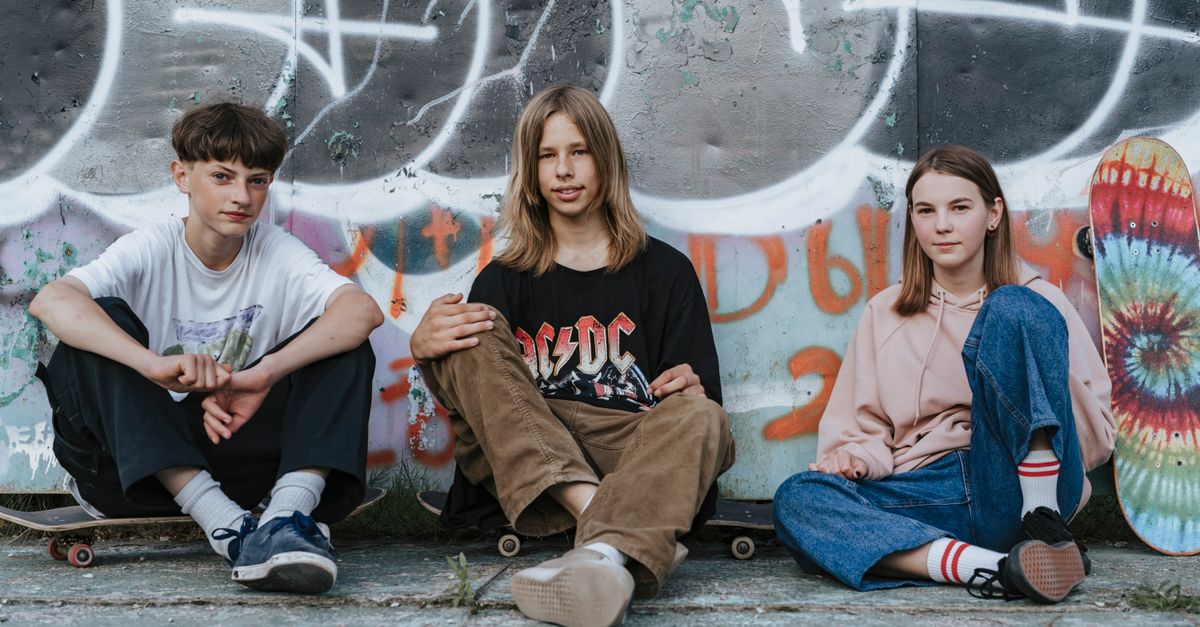
I walked in around 9:30 AM, and the energy was electric. Young people everywhere — laughing, chatting, phones out. But here’s the kicker: they weren’t just taking selfies. They were ordering food. Right there in the church lobby. Via an app. No joke.

I sat next to a guy named Kojo, a 23-year-old software developer. He told me he drives 30 minutes every Sunday from Sokode just to attend. “Bro,” he said, “the Word is good. But the waakye after? That’s what keeps me coming back.”
And that’s when it clicked. This church has cracked the code on something most institutions don’t understand: if you feed the body, the soul will follow.
The Secret Ingredient? Community Dining
Let’s talk about what actually happens after the service ends at Christ Embassy Loveworld Arena. Because it’s not your typical “go home and cook” situation.
Around 11:30 AM, the main hall empties out, and the real magic begins. The church has this massive outdoor courtyard — think of it as an open-air food court with a spiritual vibe. There are stalls set up by local vendors, church members, and even some pop-up kitchens run by young chefs from Ho Polytechnic.
Here’s what you’ll find:
- Fresh jollof rice with grilled chicken (the kind that makes you question your grandma’s recipe)
- Banku with okro stew — but elevated, like with prawns and a drizzle of shito
- Waakye stations that let you customize your toppings (egg, spaghetti, gari, fish — the works)
- Fruit smoothie bars that use local mangoes and pineapples
- Zomi (kenkey) served with fresh pepper sauce and fried fish
Let’s be honest: most churches in Ho still treat food as an afterthought — maybe some biscuits and juice for the kids. Loveworld Arena treats it as a sacrament. And young people are starving — not just for spiritual truth, but for connection. This place delivers both.
Why This Matters for the Food Scene in Ho
I’ve lived in Ho long enough to remember when Sunday afternoons meant one thing: silence. Everything closed. Everyone went home. You couldn’t find a decent meal if you tried.
That’s changing — and Christ Embassy Loveworld Arena is leading the charge.
The church has essentially created a Sunday food economy in the area. Local vendors who used to struggle during the week now make 60% of their weekly income just from Sunday sales at the Arena. Young chefs are experimenting with fusion dishes — think jollof tacos or banku pizza — and testing them on the congregation.
I spoke to Ama, a 24-year-old caterer who started her business at the church. “I used to sell from my mother’s kitchen,” she told me. “Now I have three staff. The church gave me a platform. They didn’t just let me sell — they trained me on hygiene, pricing, and customer service.”
That’s the part most people don’t see. This isn’t just about feeding people. It’s about building food entrepreneurs. And in a city like Ho, where youth unemployment is real, that’s revolutionary.

The 3 Things That Make It Addictive
I’ve attended four Sundays in a row now. Not because I’m religious — but because I’m obsessed with the food experience. Here are the three things I’ve found that keep young people coming back:
1. The Timing Is Genius
Service ends at 11:30 AM. That’s right when your stomach starts growling. Instead of rushing home to cook (which nobody wants to do after church), you just walk 20 steps and there’s a feast waiting. No planning. No stress. Just good food, ready when you are.2. The Price Points Are Real
These aren’t fancy restaurant prices. A full plate of jollof with chicken costs about 15 cedis. A smoothie? 5 cedis. The church subsidizes the vendors’ rent, so they can keep prices affordable. For students and young workers on tight budgets, this is a lifesaver.3. The Vibe Is Unmatched
There’s something about eating in a crowd of happy, well-dressed young people. The music is still playing (gospel, but the good kind). People are taking photos for Instagram. It feels less like a church lunch and more like a food festival with a sermon attached.How This Changes Sunday Forever
I’ve thought a lot about why this works. And here’s my honest take: young people in Ho are tired of the old model. The “come to church, sit still, go home” routine doesn’t cut it anymore. They want experiences. They want community. And honestly? They want to eat well without breaking the bank.
Christ Embassy Loveworld Arena figured out that Sunday isn’t just a day for worship — it’s a day for gathering. And when you gather, you eat. When you eat together, you bond. When you bond, you come back.
This is the kind of innovation that other churches in Ghana should be watching. Because it’s not just filling pews — it’s filling stomachs. And that’s the kind of gospel people actually live by.
The Food That Brings You Back
Let me end with this: I’m not a member of Christ Embassy. I don’t say that to be controversial — I say it because it shows you the power of what they’re doing. I keep coming back for the food. But you know what? I’ve also started listening to the sermons. I’ve made friends. I’ve even joined a small group.
Here’s the truth: when a church treats your stomach with the same respect as your soul, it changes the way you show up. Young people in Ho are voting with their feet — and their appetites. They’re choosing a place that feeds them literally and spiritually.
So if you’re in Ho next Sunday, skip the cold leftovers at home. Come to Loveworld Arena. Order the waakye with extra shito. Sit at a table with strangers. See what happens.
You might just find what you didn’t know you were looking for.